
Thesis Timeline Template: Step-by-Step Backward Planning Guide
Introduction: Why Most Thesis Students Miss Their Deadlines (And How Backward Planning Fixes It)
Here’s a sobering reality check: 73% of graduate students extend their thesis deadlines, according to recent academic research. The culprit? Nearly every student falls into the same trap—they plan forward from where they are now, not backward from where they need to be.
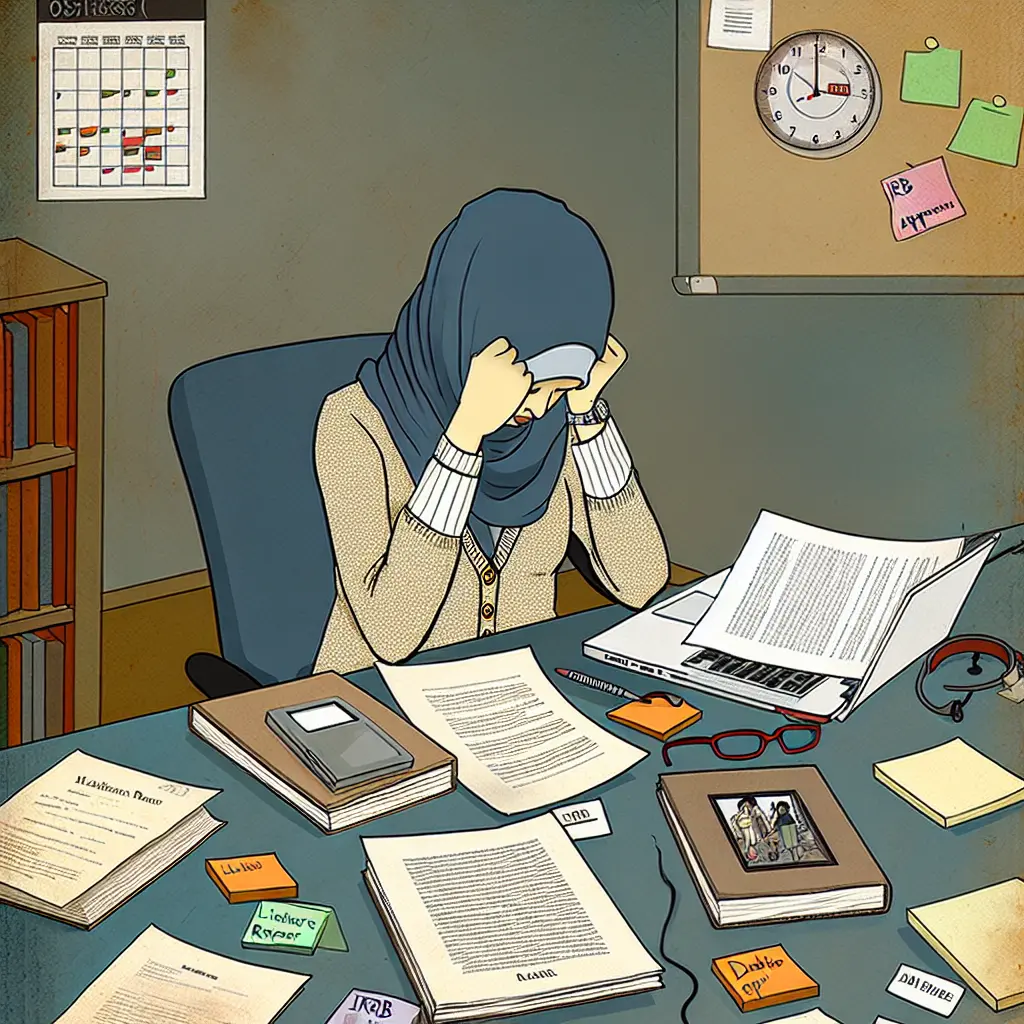
Traditional forward planning starts with “What should I do first?” But thesis timeline planning and scheduling demands a fundamentally different approach. When you’re juggling literature reviews, data collection, IRB approvals, supervisor meetings, and unexpected life complications, forward planning becomes a house of cards that collapses at the first unexpected delay.
Backward planning flips this script entirely. Instead of asking “What comes next?”, you ask “What must happen before my defense date?” This methodology transforms your thesis from a nebulous mountain of tasks into a clear, milestone-driven roadmap with built-in safety nets.
What You’ll Learn: In this comprehensive guide, you’ll discover the exact 5-phase backward planning system that transforms chaotic thesis schedules into manageable, realistic timelines. We’ll walk through a complete downloadable template that accounts for semester variations, compliance gates, and the inevitable curveballs that derail traditional planning methods.
The Foundation: Understanding Backward Planning for Academic Projects
Backward planning isn’t just scheduling in reverse—it’s a strategic mindset shift that treats your defense date as unbreakable bedrock and works systematically toward your starting point. Think of it like planning a cross-country road trip: you don’t just head in the general direction of your destination, you map every fuel stop, overnight stay, and potential detour before you turn the key.
The core principle hinges on fixed deadlines with flexible processes. Your defense date, graduation requirement, or funding deadline becomes the immovable anchor point. Everything else—chapter drafts, data collection windows, revision cycles—gets calibrated to serve that ultimate goal.
Why does forward planning fail so spectacularly for complex academic projects? Because thesis work is inherently nonlinear. A literature review might uncover methodological gaps that require three additional weeks. Data collection might hit recruitment snags during holiday breaks. Statistical software might crash the week before your analysis deadline. Forward planning assumes linear progress; backward planning assumes intelligent preparation for chaos.
The key components of effective thesis timeline planning and scheduling include:
- ✓ Milestone dependencies: Understanding which tasks must be completed before others can begin
- ✓ Buffer zones: Strategic padding that absorbs delays without derailing your entire timeline
- ✓ Calendar integration: Accounting for academic breaks, conference seasons, and supervisor availability
- ✓ Compliance gates: IRB approvals, ethics clearances, and institutional requirements that operate on their own timelines
Academic calendar considerations become crucial here. Semester systems typically offer 15-16 week windows with extended winter and summer breaks, while trimester systems compress everything into 10-12 week sprints with shorter gaps. Your backward timeline must accommodate these institutional rhythms, not fight against them.
Current Trends: How Modern Thesis Students Are Revolutionizing Project Scheduling
Today’s thesis students are abandoning the traditional academic planner for sophisticated, milestone-based approaches to thesis timeline planning and scheduling. This shift represents a fundamental evolution from linear task lists to dynamic, interconnected project management systems.
Digital tools have replaced the well-intentioned but ultimately inadequate pen-and-paper planners that previous generations relied on. Modern students leverage cloud-based templates that sync across devices, automatically adjust for delays, and integrate with supervisor calendars for seamless collaboration. Platforms like Tesify are leading this transformation by offering specialized academic project management features designed specifically for thesis workflows.
💡 Game-Changing Development: Compliance gate integration has revolutionized thesis planning. IRB approvals, ethics clearances, and institutional review processes are no longer afterthoughts that derail timelines—they’re built directly into modern templates with automatic reminders and strategic buffer zones.
Collaborative planning has evolved beyond periodic supervisor meetings to real-time, shared scheduling platforms. Students and advisors can now view progress simultaneously, adjust milestones collaboratively, and maintain transparency throughout the entire process. This prevents the classic miscommunication scenarios where students assume they’re on track while supervisors grow increasingly concerned about timeline slippage.
Perhaps most importantly, modern thesis timeline planning embraces real-time adjustment capabilities. Rather than treating schedules as static documents, today’s students build dynamic timelines that can absorb delays, redistribute workloads, and maintain momentum even when individual components fall behind schedule.
Research indicates that students using structured backward planning methods are 64% more likely to complete their thesis within the original timeline compared to those using traditional forward planning approaches, according to a 2023 study from the International Association of Graduate Educational Programs.
Expert Insight: The 5-Phase Backward Planning System That Actually Works
The most effective thesis timeline planning and scheduling system breaks your entire project into five interconnected phases, each building systematically toward your ultimate defense date. This isn’t theoretical—it’s a battle-tested framework that has guided thousands of students from initial concept to successful graduation.
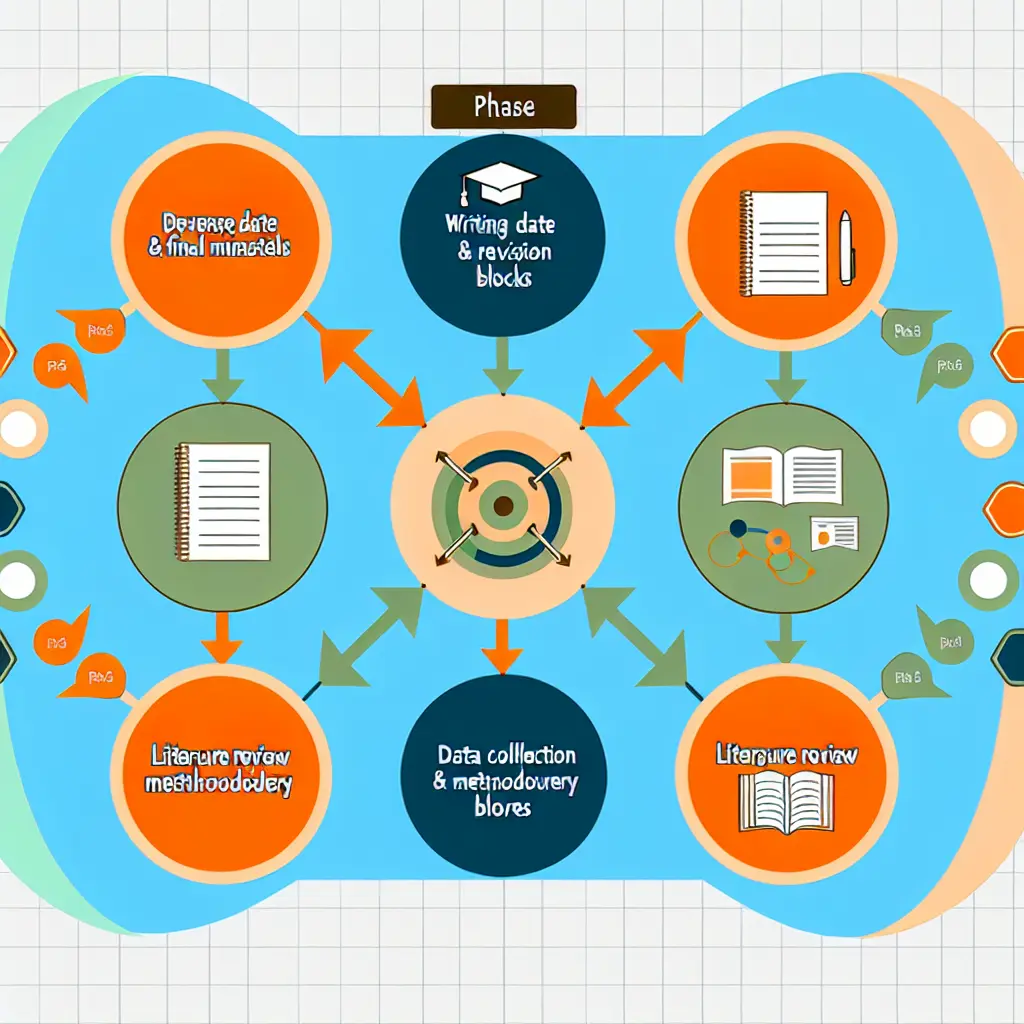
Phase 1: Defense Date & Final Milestones Mapping
Your defense date becomes the North Star of your entire timeline. Working backward from this fixed point, you’ll map every critical milestone that must occur beforehand. Start with your institutional requirements: most universities require thesis submission 2-3 weeks before defense, printing and binding 3-5 days before submission, and final revisions completed 1-2 weeks before printing.
The magic happens in the buffer zone construction. Build in two-week cushions between each major milestone. These aren’t “padding”—they’re strategic reserves that prevent single delays from creating cascading timeline disasters. If your defense is scheduled for April 15th, your submission deadline becomes March 25th, not April 1st.
Real-World Example: Sarah, a psychology PhD student, set her defense for May 10th. Working backward, she established April 19th for submission, April 12th for printing, March 29th for final revisions, and March 15th for supervisor approval of the complete draft. When her supervisor requested additional analysis in early March, the built-in buffers absorbed the three-week delay without affecting her defense date.
Phase 2: Writing & Revision Block Scheduling
Chapter-by-chapter time allocation requires brutal honesty about your writing speed and revision cycles. Research consistently shows that students underestimate writing time by 40-60%. Plan for 3-4 weeks per 25-page chapter, including initial draft, supervisor feedback, and revisions.
Supervisor feedback cycles demand special attention. Most advisors require 7-10 days for chapter reviews, longer during peak academic periods like conference seasons or grant application deadlines. Map your supervisor’s calendar and identify their busiest periods—these become no-submission zones in your timeline.
Peer review and editing integration adds another layer of timeline protection. Schedule formal peer reviews 2-3 weeks before supervisor submissions. Professional editing, if utilized, requires an additional 1-2 weeks for comprehensive review and implementation of suggestions.
Phase 3: Data Analysis & Results Timeline
Method-specific analysis duration varies dramatically, and most students drastically underestimate this phase. Quantitative analysis using familiar software might require 2-3 weeks, while learning new statistical packages can consume 4-6 weeks. Qualitative analysis, particularly thematic or narrative approaches, often demands 6-8 weeks for thorough coding and interpretation.
Statistical software learning curves create hidden timeline traps. If your analysis requires R, SPSS, or specialized domain software you haven’t mastered, add 2-3 weeks for skill development before beginning actual analysis. Software crashes, version conflicts, and data compatibility issues aren’t possibilities—they’re inevitabilities that must be planned for.
Results interpretation and visualization scheduling requires dedicated time blocks separate from analysis itself. Creating publication-quality figures, writing results sections, and connecting findings to your theoretical framework typically requires 2-3 weeks of focused work after analysis completion.
Phase 4: Data Collection Window Planning
IRB approval timeline integration represents one of the most critical—and unpredictable—elements of thesis timeline planning and scheduling. Exempt reviews might clear in 2-3 weeks, expedited reviews typically require 4-6 weeks, while full board reviews can stretch 8-12 weeks. The timing varies dramatically by institution and submission season, with fall semester creating notorious bottlenecks.
For detailed guidance on navigating this process, consult our comprehensive IRB Ethics Approval for Thesis Students guide, which provides institution-specific timelines and peak-season strategies.
Recruitment strategy timing requires seasonal awareness. Educational research during summer breaks, healthcare studies during flu season, or business research during fiscal year-end periods all face unique challenges. Plan recruitment to avoid predictable obstacles rather than fighting against them.
Phase 5: Literature Review & Methodology Foundation
Initial research and gap analysis timeframes vary by field complexity and existing knowledge base. Plan for 4-6 weeks of intensive literature review to identify gaps, followed by 2-3 weeks for gap analysis and research question refinement. This foundation phase can’t be rushed—shortcuts here create problems throughout your entire project.
The first 30-day intensive planning sprint integration sets the tone for your entire timeline. This critical period combines preliminary literature review, methodology selection, and detailed timeline construction into a focused launch sequence. For a day-by-day breakdown of this crucial period, explore our First 30 Days Thesis Planning: What No One Tells You guide.
Future Forecast: The Evolution of Academic Project Management
The future of thesis timeline planning and scheduling points toward increasingly sophisticated, AI-assisted optimization systems that learn from thousands of completed projects to predict risks and suggest timeline adjustments in real-time.
🔮 Coming Soon: AI-Powered Timeline Optimization
Machine learning algorithms analyzing completion patterns across disciplines, institutions, and student profiles will provide personalized timeline recommendations that account for individual working styles, potential bottlenecks, and optimal milestone spacing.
Institutional calendar integration represents another major evolution on the horizon. Future planning platforms will automatically sync with university calendars, supervisor availability, IRB review schedules, and even departmental conference submission deadlines. This comprehensive integration eliminates the manual coordination that currently consumes significant planning time.
Industry experts predict that standardized templates across universities and disciplines will emerge by 2026, creating consistency while still allowing customization for specific program requirements. This standardization will enable better cross-institutional research collaboration and improved timeline predictability for students transferring between programs or institutions.
Take Action: Download Your Free Thesis Timeline Template
Transform your thesis timeline planning and scheduling from guesswork into systematic success with our comprehensive backward planning template, specifically designed for the complexities of academic project management.
🎯 Ready to Transform Your Thesis Timeline?
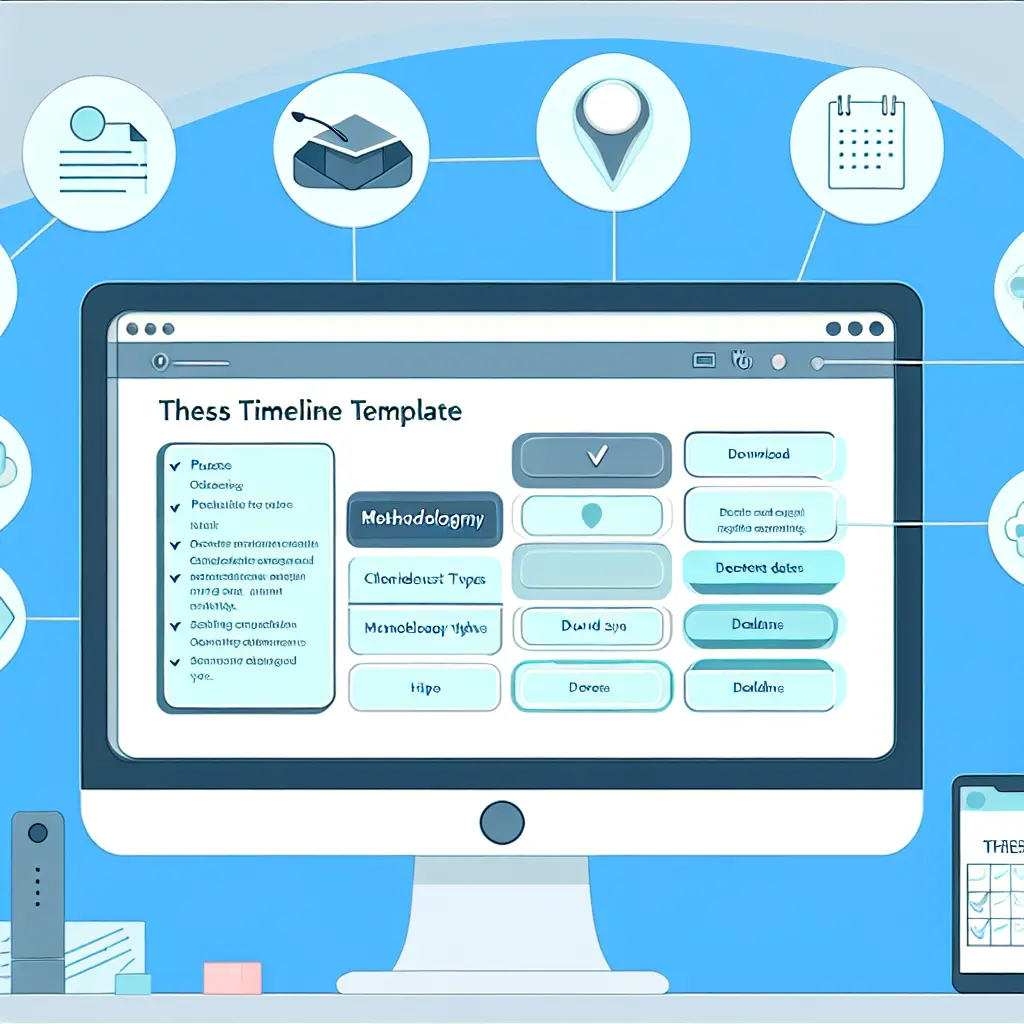
This isn’t just another scheduling spreadsheet—it’s a complete system that integrates every element we’ve discussed. The template includes:
- Pre-built milestone sequences for major thesis phases
- Automatic buffer zone calculations based on project complexity
- IRB timeline integration with institution-specific variables
- Semester vs. trimester system adaptations
- Supervisor feedback cycle scheduling
- Risk assessment prompts for timeline validation
Step-by-Step Customization Tutorial:
- Enter your defense date and institutional requirements
- Select your methodology type for analysis duration estimates
- Input your supervisor’s typical feedback timeline
- Adjust for academic calendar and seasonal considerations
- Generate your complete backward timeline with built-in buffers
For students requiring more specific guidance on data collection phases, our Thesis Data Collection Planning Template provides detailed methodological timeline estimates that integrate seamlessly with your backward planning framework.
Success Guarantee: Join the 64% of students who complete their thesis within their original timeframe. Your future self—the one walking across the graduation stage on schedule—will thank you for taking action today.
Start Building Your Timeline Today →
Frequently Asked Questions
How far in advance should I create my thesis timeline?
Create your backward timeline during your first month of thesis work, ideally within the first 30 days. This allows maximum flexibility for adjustments while ensuring adequate planning for long-lead requirements like IRB approvals.
What’s the biggest mistake in thesis timeline planning and scheduling?
Underestimating revision cycles. Most students plan for one round of supervisor feedback per chapter, but successful timelines typically include 2-3 revision cycles with adequate buffer time between each round.
How much buffer time should I build into my thesis timeline?
Plan for 20-25% total buffer time distributed throughout your timeline. This typically means 2-week buffers between major milestones and 3-4 week cushions before your final defense date.
Should my timeline differ for semester vs. trimester systems?
Absolutely. Trimester systems require more compressed timelines with shorter buffer periods, while semester systems allow for extended revision cycles but must account for longer academic breaks that can disrupt momentum.




Leave a Reply