
9 Thesis Starter Mistakes No One Warns You About Until It’s Too Late
The Hidden Thesis Traps That Derail Academic Dreams
Here’s a sobering statistic that no one mentions during graduate orientation: nearly 50% of doctoral students never complete their thesis, and those who do take an average of 7-8 years instead of the planned 4-5. Even more alarming? According to research from the Council of Graduate Schools, most students who abandon their thesis cite early planning failures as the primary culprit—not lack of intelligence or academic ability.

The problem isn’t just completion rates. It’s that most thesis writing advice focuses on advanced stages like data analysis, methodology refinement, and final revisions. Meanwhile, the critical early mistakes that determine success or failure remain largely unaddressed until it’s too late to course-correct without significant time loss.
“The decisions you make in your first 90 days of thesis work will determine whether you finish in 18 months or 5 years—if you finish at all.”
This article reveals 9 preventable thesis starter mistakes and planning pitfalls that academic advisors rarely discuss but can save you months of frustration, thousands of dollars in extended enrollment, and the psychological toll of a stalled academic journey. By understanding these early warning signs, you’ll be equipped to navigate the thesis process with confidence and clarity.
Why Most Thesis Planning Goes Wrong From Day One
Think of thesis planning like building a house. Most students approach it with the “figure it out as you go” mentality—equivalent to starting construction without blueprints, assuming they’ll design the electrical system while pouring the foundation. This approach works for weekend DIY projects, but fails catastrophically for complex, multi-year academic endeavors.
The myth of spontaneous academic success is particularly dangerous for thesis work. Unlike coursework with clear deadlines and structured requirements, thesis projects demand self-directed planning skills that few students have developed. Research from the University of California system shows that students who create detailed project timelines in their first month are 73% more likely to complete their thesis within their target timeframe.
The financial and emotional costs of poor early decisions compound rapidly. Extended enrollment fees, delayed career progression, and the psychological impact of a stalled thesis create a cascade of consequences that often trace back to preventable planning mistakes made in the first few weeks.
According to Dr. Barbara Lovitts’ research on graduate student attrition, “The majority of students who struggle with thesis completion made critical structural errors in their first semester that they were unaware of until much later in the process.” Understanding these patterns is the first step toward avoiding them.
The 9 Critical Thesis Starter Mistakes Every Student Makes
Mistake #1 – Choosing a Topic You’ll Hate by Week 6
The most seductive trap in thesis planning is falling in love with a topic during a single inspiring lecture or conference presentation. This “excitement trap” leads students to commit to research areas based on momentary fascination rather than sustainable, long-term interest. What feels intellectually thrilling in week one often becomes a grinding obligation by month six.
The problem isn’t initial enthusiasm—it’s failing to test that enthusiasm against reality. Successful topic selection requires what researchers call “interest durability testing.” This means spending 20-30 hours reading primary sources, engaging with opposing viewpoints, and imagining yourself explaining this topic to strangers for the next 2-3 years.
Smart students use validation frameworks before making final topic commitments. The IMPACT method—Interest sustainability, Market relevance, Practical feasibility, Available resources, Clear boundaries, and Timeline compatibility—provides a systematic approach to topic evaluation that goes far beyond initial excitement.
Consider implementing a “topic dating” phase where you spend two weeks deeply exploring 3-4 potential topics before making your final choice. This investment of time upfront can save months of topic-switching pain later. For a comprehensive approach to this critical decision, explore this detailed Thesis Topic Selection Strategy: 7-Step Guide that walks you through proven validation techniques.
Mistake #2 – Skipping the Literature Review Deep-Dive
Many students treat the literature review like a shallow survey course—skimming abstracts, reading conclusions, and assuming they’ll “dive deeper later.” This surface-level approach creates foundation cracks that become structural failures as the thesis progresses. Your literature review isn’t just a chapter; it’s the intellectual foundation that supports every argument, methodology choice, and conclusion you’ll make.
The “I’ll read more later” mentality is particularly dangerous because it creates false confidence. Students who skim 50 articles feel prepared, while those who deeply analyze 15-20 key studies actually understand their field’s core debates, methodological standards, and knowledge gaps. Quality trumps quantity every time in academic research.

Effective literature review strategy involves creating what librarians call a “citation genealogy”—tracing how key ideas developed over time by following reference chains both forward and backward. This approach reveals not just what’s been studied, but how debates evolved and where genuine gaps exist.
Start by identifying 5-7 seminal works in your area and read them completely—not just abstracts. Take detailed notes on methodology, key findings, and limitations. Then trace their most cited papers and most recent citations. This genealogical approach builds deep field knowledge that surfaces throughout your entire thesis process, making later chapters flow more naturally and convincingly.
Mistake #3 – Treating Your Supervisor Like a Mind Reader
One of the most damaging thesis starter mistakes involves supervision relationship mismanagement. Students often assume their advisors understand their goals, timeline preferences, and feedback needs without explicit communication. This assumption creates a feedback rhythm failure that compounds over time, leading to frustration, missed deadlines, and supervisor relationship breakdown.
The “massive draft dump” problem exemplifies this mistake. Students disappear for months, then submit 50-page chapters expecting detailed feedback within days. Meanwhile, supervisors prefer regular check-ins, smaller draft sections, and clear questions about specific issues. This mismatch in expectations creates conflict that could have been avoided with early relationship planning.
Smart students establish feedback rhythms and accountability systems from day one. This includes agreeing on meeting frequency, preferred draft lengths, turnaround expectations, and communication protocols. Research shows that students who establish these frameworks early have 60% fewer supervisor conflicts and complete their thesis 4-6 months faster on average.
Create a “supervision contract” during your first meeting that outlines mutual expectations, preferred communication styles, and feedback timelines. Schedule regular check-ins even when you don’t have drafts ready—these conversations keep you accountable and help identify problems before they become crises. For detailed strategies on optimizing this critical relationship, check out this guide on how to manage supervisor relationships for faster thesis feedback.
Mistake #4 – Relying on Motivation Instead of Structure
Motivation is like a fair-weather friend—reliable when things are going well, absent when you need it most. Students who depend on motivation to drive their thesis progress inevitably hit motivational valleys where excitement wanes, imposter syndrome peaks, and progress stalls. This is why structure, not motivation, determines thesis completion success.
The neuroscience of long-term projects reveals why willpower fails. Decision fatigue, cognitive load, and the absence of immediate rewards make motivation-based approaches unsustainable for projects lasting 12-24 months. Successful thesis writers create systems that work regardless of their emotional state or energy levels.
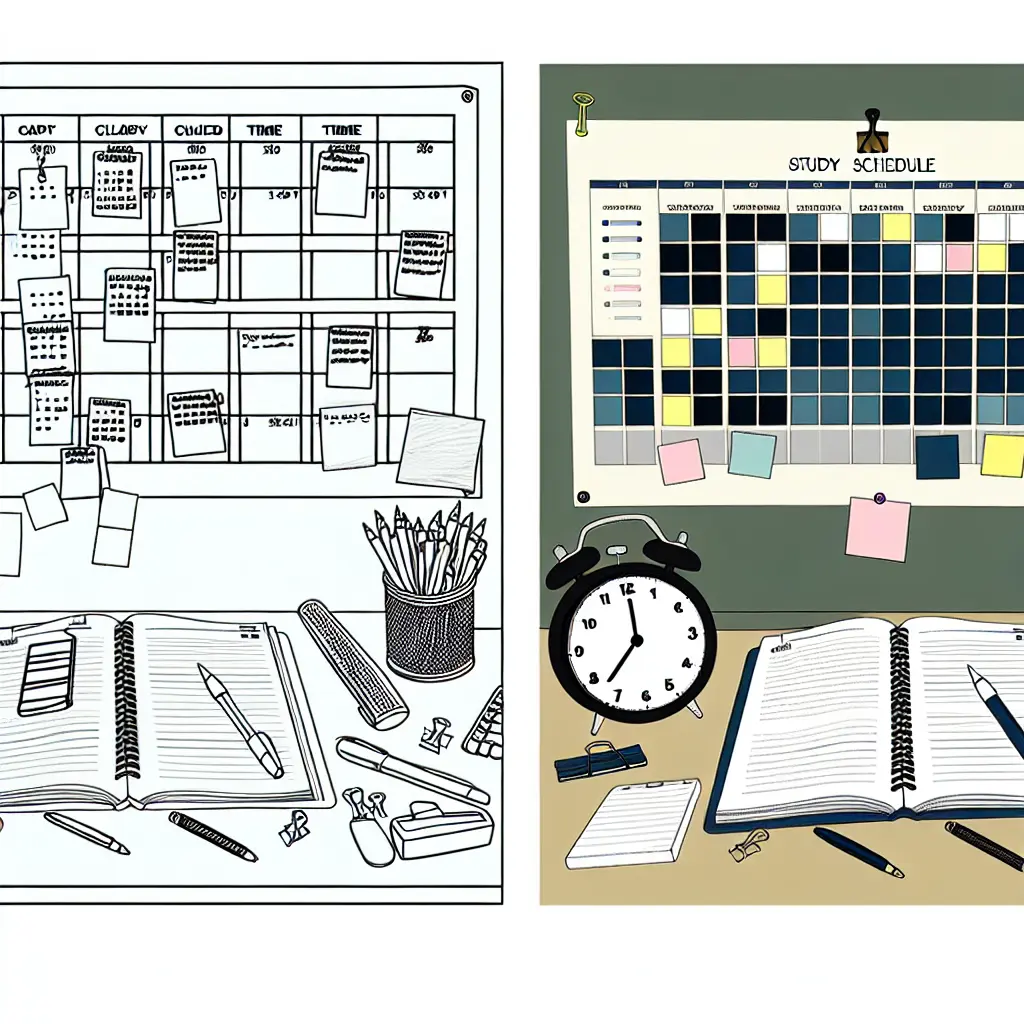
Effective structure includes time-blocking for different types of work (research, writing, analysis), environmental design (dedicated workspaces, distraction elimination), and accountability systems (weekly goals, progress tracking, peer check-ins). These systems create momentum that carries you through inevitable low-motivation periods.
The most successful students implement what productivity researchers call “implementation intentions”—if-then statements that automate decision-making. For example: “If it’s Tuesday at 9 AM, then I write for 2 hours in the library, regardless of how I feel.” This removes daily motivation requirements and creates consistent progress patterns. For comprehensive time management strategies that balance thesis work with other commitments, explore this guide on balancing thesis writing with work and coursework.
Mistake #5 – Underestimating Research and Data Collection Time
Academic planning suffers from chronic optimism bias—the tendency to underestimate completion times while overestimating our efficiency. This is particularly dangerous for thesis research, where external dependencies, access restrictions, and data quality issues can derail even well-planned timelines. The result? Students consistently underestimate research phases by 100-300%.
The “2x rule” provides a reality-based approach to academic timeline planning: whatever time you initially estimate for research activities, multiply by two. This accounts for access delays, institutional review processes, data quality issues, technology problems, and the iterative nature of academic research. It’s better to finish early than face deadline panic.
Smart students build contingency plans into their research design. This includes identifying alternative data sources, backup methodologies, and flexible research questions that can adapt to access limitations. They also front-load time-sensitive activities like IRB applications, archive visits, and interview scheduling.
Create a research timeline that includes buffer periods between major phases. Map out all external dependencies (library access, participant recruitment, equipment availability) and start these processes earlier than feels necessary. Remember: in academic research, everything takes longer than expected, and most delays are outside your direct control.
Mistake #6 – Starting Without a Clear Methodology Framework
Method confusion early in the thesis process creates data chaos later. Students often begin collecting information without clear frameworks for analysis, assuming they’ll “figure out the methodology as they go.” This approach leads to unusable data, wasted research time, and fundamental structural problems that require starting over from scratch.
Your methodology isn’t just about data collection—it’s the logical framework that connects your research questions to your conclusions. Early methodology decisions impact literature review focus, data collection methods, analysis techniques, and even chapter organization. Changes to methodology late in the process often require restarting multiple thesis components.
Effective methodology planning involves understanding your discipline’s philosophical foundations, methodological traditions, and analytical standards before beginning data collection. This doesn’t mean rigid adherence to predetermined approaches, but rather informed flexibility based on solid theoretical grounding.
Start by mapping your research questions to appropriate methodological approaches within your discipline. Consult with methodological experts early, not just content specialists. Take formal or informal training in your chosen analytical methods before collecting data. This upfront investment prevents costly methodology pivots that can delay completion by months or years.
Mistake #7 – Ignoring University Resources and Requirements
Universities offer extensive thesis support systems that most students never discover until they’re struggling. Writing centers, statistical consulting, library research specialists, and formatting workshops exist specifically to prevent common thesis problems. Students who ignore these resources often reinvent solutions to problems that have already been solved.
More critically, students often overlook university-specific requirements for formatting, citation styles, submission procedures, and defense protocols. These specifications seem minor early in the process but become major obstacles during final submission phases. Last-minute formatting crises have delayed thesis submissions by weeks or months.
The most successful students conduct a “resource audit” during their first month, identifying all available support services, understanding submission requirements, and connecting with relevant staff members. This creates a support network that activates when needed throughout the thesis process.
Schedule meetings with your graduate school’s thesis coordinator, visit the writing center, and attend formatting workshops even if you don’t need immediate help. Understanding available resources and requirements early prevents crisis-mode scrambling later. Create a resource contact list with names, services, and availability information for future reference.
Mistake #8 – Creating an Unrealistic Writing Schedule
The daily word count trap seduces many thesis beginners: “I’ll write 500 words per day and finish in 6 months!” This approach ignores the fundamental difference between creative writing and academic writing. Academic writing requires research, analysis, revision, and integration—activities that don’t translate neatly into daily word quotas.
Research on academic productivity shows that deep work blocks (2-4 hours of uninterrupted focus) produce higher quality output than scattered writing sessions. A single focused morning often yields more usable academic content than a week of 30-minute daily writing sessions. Quality and sustainability matter more than daily consistency.
Realistic writing schedules account for different types of work: research days, analysis days, writing days, and revision days. They also include rest periods, feedback incorporation time, and unexpected problem-solving sessions. The most successful students plan for bad days, low-energy periods, and inevitable life disruptions.
Instead of daily word counts, create weekly or monthly output goals based on specific thesis milestones. Plan writing retreats or intensive periods that leverage your natural productivity rhythms. Build in review and revision time as part of the writing process, not as a separate final phase.
Mistake #9 – Perfectionism Paralysis in the Planning Phase
Thorough planning is essential, but perfectionism in planning becomes procrastination in disguise. Students sometimes spend months refining research proposals, reading “just one more article,” or waiting for the “perfect” topic to emerge. This analysis paralysis prevents actual thesis progress while creating the illusion of productive work.
The psychology behind planning perfectionism often involves fear of commitment and imposter syndrome. Students worry that starting means they should have all the answers, so they delay starting until they feel completely prepared. Unfortunately, thesis work involves learning through doing—some questions only get answered through actual research experience.
Effective thesis planning follows a “ready, fire, aim” philosophy: get started with good-enough plans, then refine as you learn. Your initial research questions will evolve, your methodology will adjust, and your theoretical framework will develop through the process. Planning provides direction, not rigid requirements.
Set planning deadlines for yourself: spend 4-6 weeks on initial planning, then begin active research work. Allow your plans to remain living documents that evolve with your understanding. Schedule regular plan reviews (monthly or quarterly) to adjust course based on new information, but don’t let planning become a substitute for actual thesis work.
The Psychology Behind These Thesis Starter Mistakes and Planning Failures
Understanding why these mistakes happen repeatedly requires examining the cognitive biases and psychological patterns that affect academic planning. The planning fallacy—our tendency to underestimate completion times while overestimating our abilities—plays a central role in thesis timeline failures. Students consistently predict faster progress than reality delivers, creating cascade effects throughout their academic timeline.
The Dunning-Kruger effect specifically impacts thesis confidence levels. Early in the process, students often feel most confident because they don’t yet understand the complexity of their chosen topic. This initial overconfidence leads to inadequate planning and unrealistic expectations. As students learn more, their confidence appropriately decreases, but by then, poor early decisions have created structural problems.
Optimism bias compounds these issues. Students plan for ideal scenarios—perfect health, no personal emergencies, consistent motivation, immediate data access, and cooperative research subjects. When reality inevitably includes obstacles and delays, optimism-based plans collapse, creating stress and timeline pressure that further impair decision-making.
Research by Dr. Carol Dweck on mindset reveals another crucial factor: students with fixed mindsets view thesis challenges as threats to their intelligence, while growth mindset students see challenges as learning opportunities. This difference affects risk tolerance, help-seeking behavior, and persistence during difficult phases. The students most likely to avoid thesis starter mistakes are those who embrace learning through iterative improvement rather than demanding immediate perfection.
External accountability and structured support systems prove more effective than internal motivation for long-term academic projects. Students who create regular check-in systems with advisors, peer groups, or external accountability partners maintain more consistent progress and recover faster from setbacks. This is why systematic approaches to thesis planning and progress tracking significantly improve completion rates compared to motivation-dependent strategies.
Your Thesis Success Roadmap – Avoiding These Pitfalls
Successful thesis completion requires strategic planning that accounts for these common mistakes while building sustainable progress systems. The following roadmap provides month-by-month guidance for establishing strong foundations and maintaining momentum throughout your thesis journey.
Month 1-2: Foundation Building Checklist
Week 1-2: University Systems and Support
- Meet with graduate school coordinator to understand all requirements and deadlines
- Schedule appointments with writing center, library research specialists, and statistical consultants
- Create accounts for all necessary databases, journals, and research tools
- Establish workspace and organizational systems for digital and physical materials
Week 3-4: Topic Validation and Supervisor Relationship
- Conduct deep literature review on 3-4 potential topics using genealogical method
- Apply IMPACT framework to evaluate topic sustainability and feasibility
- Schedule weekly supervisor meetings and establish communication protocols
- Create supervision contract outlining mutual expectations and feedback preferences
Week 5-8: Methodology Framework and Timeline Development
- Map research questions to appropriate methodological approaches
- Consult with methodology experts and attend relevant workshops
- Create realistic timeline using 2x rule for all research activities
- Identify external dependencies and start time-sensitive processes early
Month 3-6: Research and Relationship Management
This phase focuses on executing your research plan while maintaining accountability systems and adapting to early findings. Students who successfully navigate this period establish consistent work rhythms, build strong supervisor relationships, and maintain flexibility in their approach while staying committed to their timeline.
Create weekly progress reviews that assess both output quality and process effectiveness. Track not just what you accomplished, but how efficient your systems are proving and where adjustments might improve future weeks. This meta-analysis of your work process prevents small problems from becoming major obstacles.
Maintain regular supervisor communication even when you don’t have major updates. Brief email updates, questions about emerging findings, and requests for resource recommendations keep your advisor engaged and provide opportunities for course correction before problems compound.
Beyond Month 6: Sustainable Writing and Revision Practices
The transition from research to writing often triggers new challenges that weren’t apparent during earlier phases. Students who planned for research activities sometimes struggle with writing productivity, revision processes, and final formatting requirements. Sustainable writing practices become crucial for maintaining progress without burnout.
Implement writing systems that account for the iterative nature of academic writing. Plan for multiple draft cycles, feedback incorporation periods, and substantial revision work. Many students underestimate revision time by 200-300%, leading to rushed final submissions that don’t reflect their best work.
Red Flags to Watch For in Your Own Process
Warning Signs: Developing awareness of early warning signs can help you identify and address problems before they become crises. Key red flags include:
- Avoiding supervisor meetings
- Consistently missing self-imposed deadlines
- Feeling overwhelmed by your topic choice
- Procrastinating on methodology decisions
- Relying on motivation surges for progress
If you notice these patterns, don’t panic—implement corrective strategies immediately. Reach out to available support systems, revisit your planning documents, and consider whether structural changes (timeline adjustments, methodology pivots, topic refinements) might be necessary. Early intervention prevents minor issues from derailing your entire thesis timeline.
Transform Your Thesis Planning Today
These 9 thesis starter mistakes and planning failures represent preventable obstacles that derail thousands of academic careers annually. The difference between students who complete their thesis efficiently and those who struggle for years often comes down to decisions made in the first few months of the process. By understanding these pitfalls and implementing systematic prevention strategies, you can avoid the most common causes of thesis abandonment and deadline extensions.
The key insight from successful thesis completion research is that structure, not motivation, determines outcomes. Students who create systematic approaches to topic validation, supervisor relationships, methodology planning, and progress tracking consistently outperform those who rely on enthusiasm and improvisation.
Ready to implement these strategies systematically? Tesify’s comprehensive thesis planning platform provides structured frameworks for avoiding these common mistakes while maintaining progress toward your academic goals. With features like Copilot guidance, integrated research tools, and progress tracking systems, you can build the systematic approach that prevents thesis starter mistakes before they impact your timeline.
“I wish I had known about planning frameworks earlier in my process. Using systematic approaches to topic validation and supervisor communication saved me at least 6 months compared to my colleagues who figured it out through trial and error.”
— Sarah M., Recent PhD Graduate
Don’t wait until you’re struggling to implement better systems. Start with one preventive strategy today—whether that’s conducting deeper topic validation, establishing supervisor communication protocols, or creating realistic timelines with appropriate buffers. Small investments in systematic planning now prevent major crisis management later.
Your thesis journey doesn’t have to follow the traditional path of struggle, setbacks, and last-minute scrambling. With awareness of these common mistakes and commitment to systematic planning, you can join the minority of students who complete their thesis efficiently, confidently, and with work that truly reflects their capabilities.
Take the first step toward thesis success by exploring how Tesify can support your planning process and help you avoid the costly mistakes that derail so many academic dreams.
Your future self will thank you for making systematic planning a priority from day one.




Leave a Reply