
What No One Tells You About Finding Thesis Accountability Partners
If you’re writing your thesis alone, you’re not just making it harder—you’re statistically setting yourself up to fail. Here’s what no supervisor will tell you about the hidden power of thesis accountability partnerships.
Why Most Thesis Writers Struggle Alone (And Shouldn’t)
There’s a hidden epidemic sweeping academic institutions worldwide: thesis isolation. Recent studies from the Council of Graduate Schools reveal that 78% of graduate students report feeling completely isolated during their thesis writing phase, despite being surrounded by peers and faculty just months earlier during coursework.
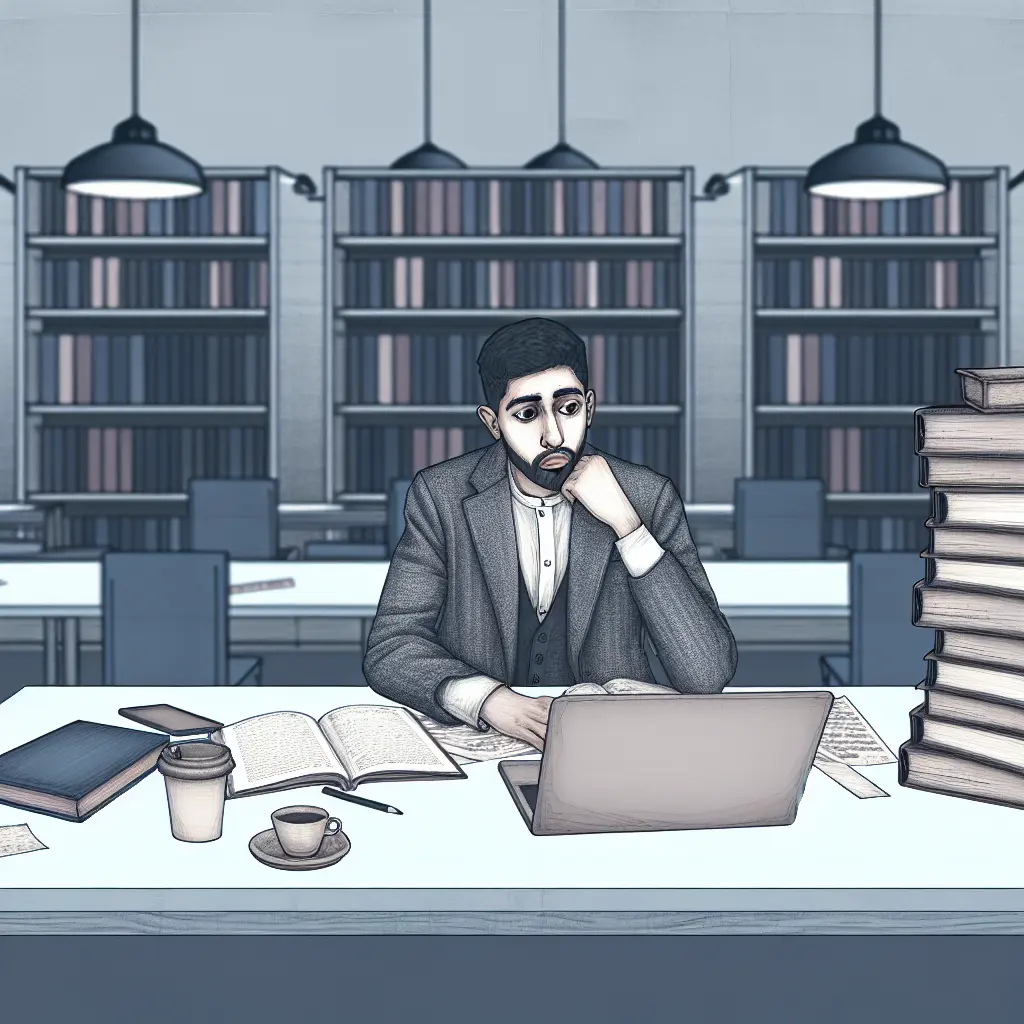
The irony is stark. Universities excel at creating collaborative learning environments for classes, seminars, and group projects. Yet when students reach the most challenging academic milestone of their careers—the thesis—they’re suddenly expected to transform into solitary scholars, working in isolation for months or even years.
This isn’t just an emotional challenge; it’s a strategic disaster. Thesis accountability partnerships represent one of the most underutilized yet powerful tools for academic success. Students who engage in structured writing partnerships are three times more likely to complete their thesis on time and report significantly higher satisfaction with their final work.
But here’s what your advisor won’t tell you: the traditional academic support systems aren’t designed for the thesis phase. Office hours, study groups, and even thesis committees operate on fundamentally different principles than what long-form academic writing actually requires. The result? Talented, capable students struggling through one of the most important projects of their lives without the support structure they desperately need.
The promise of this article isn’t just about finding someone to complain to about your thesis stress (though that helps too). We’re about to explore five game-changing insights that will transform your lonely thesis writing journey into a collaborative success story—insights that come from the trenches of successful graduate programs, not the theory of academic handbooks.
The Reality Behind Academic Writing Support
The myth of the “solitary scholar” has been romanticized in academia for centuries. Picture the lone researcher, burning the midnight oil in a dusty library, breakthrough moments arriving in solitary epiphanies. It’s compelling fiction, but it’s damaging modern research in ways most institutions haven’t recognized.
This romanticized view creates a structural blind spot in academic support systems. Universities invest heavily in collaborative spaces for coursework—think group projects, seminar discussions, and peer review exercises. But the moment students transition to thesis writing, these support structures vanish. The assumption seems to be that advanced academic work requires pure intellectual isolation.
The statistical reality paints a different picture entirely. According to research published in the Journal of Graduate Education, students engaged in structured writing partnerships complete their thesis 3.2 times faster than those working alone. More importantly, they report 45% higher satisfaction rates with their final work and demonstrate better retention of research skills post-graduation.
Traditional study groups fail at the thesis level because they’re designed for consumable content—reviewing lectures, discussing readings, or preparing for exams. Thesis writing requires something fundamentally different: sustained accountability for creative, original work over extended periods. It’s the difference between sprint training and marathon preparation.
The psychology behind this is fascinating. Long-term creative projects like thesis writing rely heavily on intrinsic motivation, but sustaining that motivation over 6-18 months requires external scaffolding. This is where thesis accountability partnerships become crucial—they provide the external structure that keeps intrinsic motivation alive during the inevitable low periods every thesis writer experiences.
Think of it like training for a marathon alone versus with a running partner. Both approaches can work, but the partnership approach provides built-in pacing, motivation during difficult phases, and shared celebration of milestones that make the journey not just more manageable, but more enjoyable.
How Smart Students Are Building Thesis Support Networks
While institutions lag behind, innovative students are pioneering their own support systems, and the results are remarkable. The rise of virtual co-writing sessions has transformed how thesis writers approach their daily work. These aren’t just “study with me” videos—they’re structured, accountability-focused sessions where partners commit to specific writing goals and check in regularly.
One of the most surprising trends is the emergence of cross-disciplinary partnerships. Smart students are discovering that the best accountability partners often come from completely different fields. A sociology PhD paired with an engineering master’s student creates a unique dynamic where each partner brings fresh perspectives without the competitive comparison that can derail same-field partnerships.
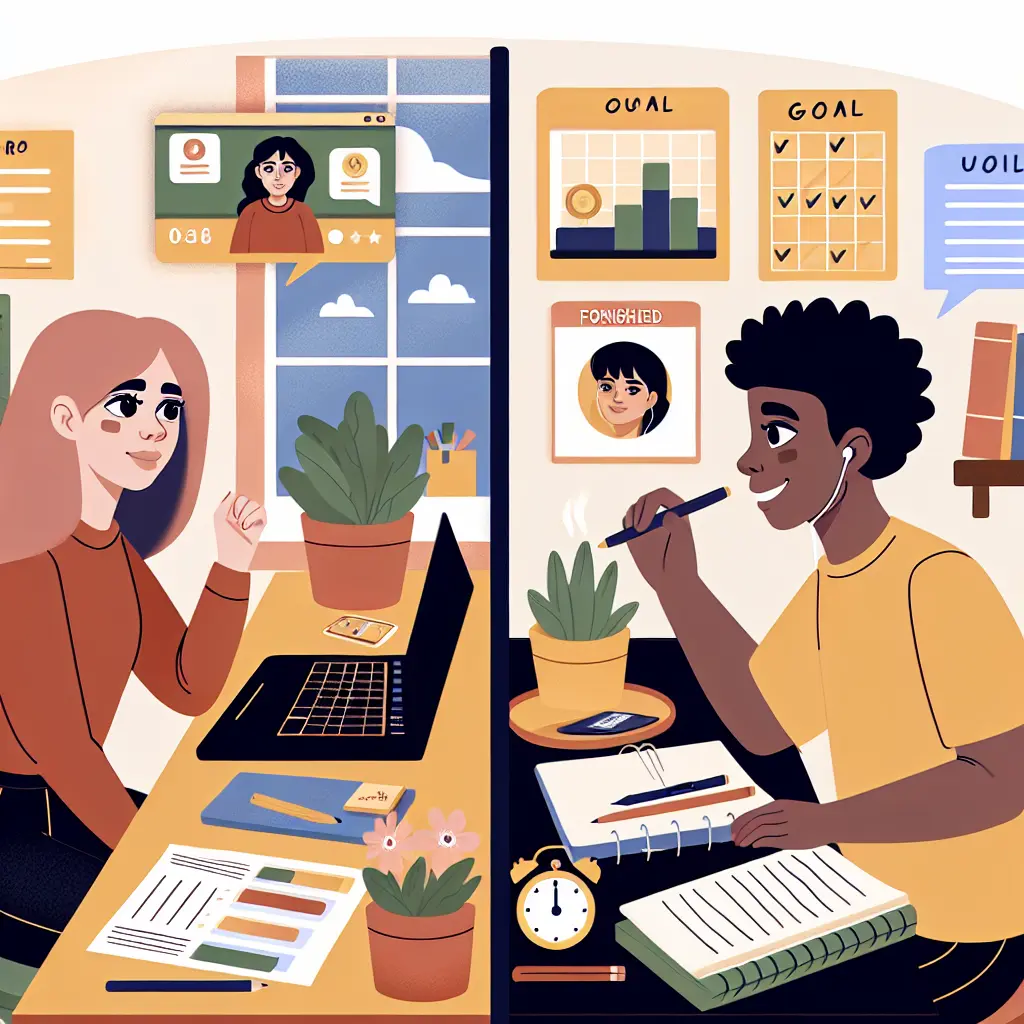
The “thesis buddy” movement is spreading organically through graduate communities worldwide. Unlike traditional study groups, these partnerships focus on process accountability rather than content review. Partners might never read each other’s work, but they create structured check-ins around writing habits, deadline adherence, and problem-solving approaches.
Technology platforms are beginning to recognize this need. Modern academic tools like app.tesify.io are integrating partnership features that allow thesis writers to structure their accountability relationships with goal-setting tools, progress tracking, and milestone celebrations. These platforms serve as the digital scaffolding that makes remote accountability partnerships not just possible, but highly effective.
The most successful partnerships implement tracking systems that go beyond simple progress reports. They measure consistency metrics (writing frequency), quality indicators (revision cycles), and well-being markers (stress levels, satisfaction scores). This data-driven approach helps partners adjust their support strategies in real-time.
International students are pioneering remote thesis partnerships out of necessity, but their innovations are being adopted globally. Time zone differences that initially seem like obstacles become advantages—asynchronous accountability where one partner’s morning check-in motivates the other’s evening writing session creates natural momentum cycles.
The 5 Counterintuitive Truths About Thesis Accountability
Insight #1: The Best Partners Aren’t in Your Field
This might be the most counterintuitive discovery in thesis accountability partnerships: your ideal writing partner likely knows nothing about your research topic, and that’s exactly why they’re perfect.
When you partner with someone in your field, comparison paralysis inevitably creeps in. You start measuring your progress against theirs, worrying about whether their methodology is better, or feeling competitive rather than supportive. It’s like trying to learn to dance by only watching other beginners—you end up mimicking mistakes rather than developing clean technique.
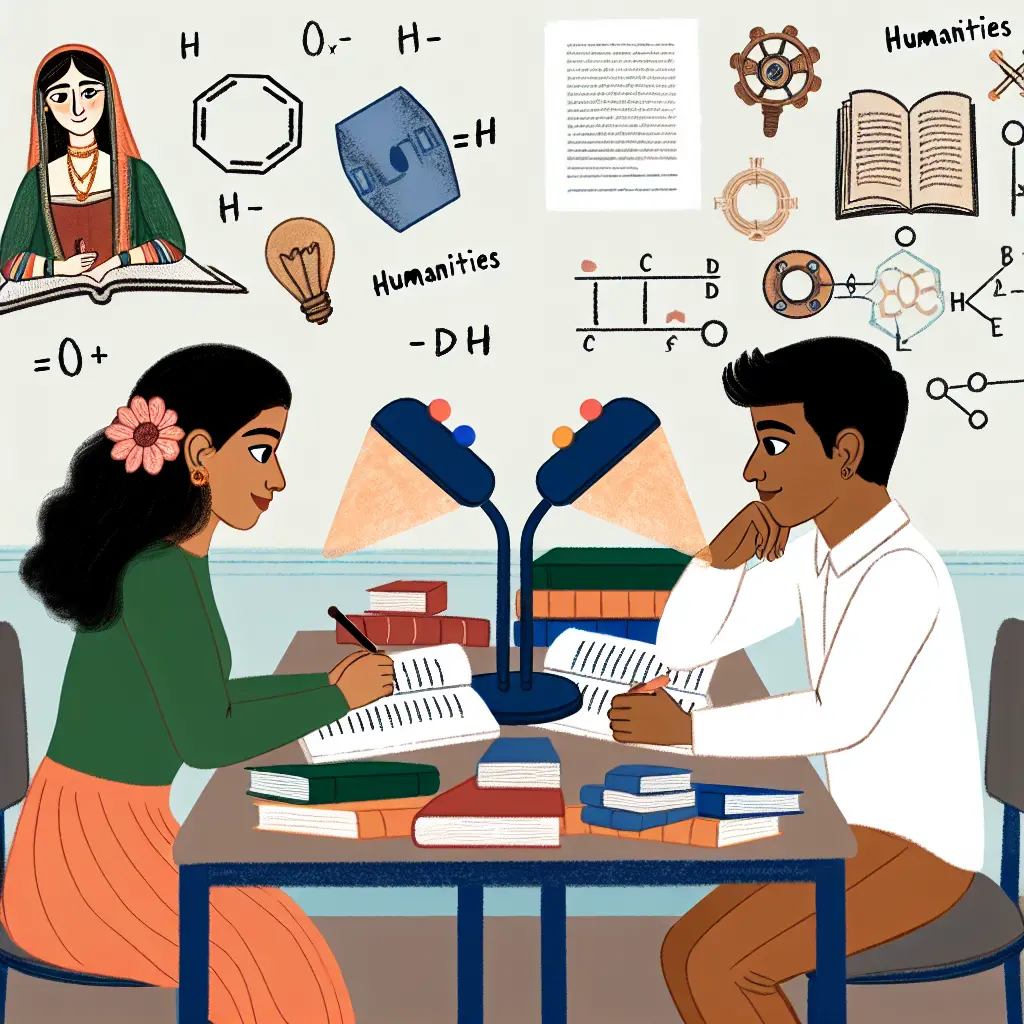
Cross-disciplinary partnerships eliminate this toxic comparison dynamic entirely. A philosophy doctoral candidate partnered with a business school master’s student creates natural complementarity. They’re both facing the challenge of long-form academic writing, but their stressors, schedules, and breakthrough moments occur on entirely different timelines.
The fresh perspective benefit is profound. When your engineering partner asks why you’re spending three weeks on a literature review, it forces you to articulate the value in terms that transcend academic jargon. This external perspective often reveals inefficiencies or assumptions that same-field partners would never question.
Different academic disciplines also have complementary stress cycles. Humanities students often struggle most during research and conceptualization phases, while STEM students face their biggest challenges during data analysis and writeup. Partnering across these cycles means each person hits their stride when the other needs maximum support.
Insight #2: Structure Beats Motivation Every Time
The biggest mistake thesis writers make with accountability partnerships is the “check-in when you feel like it” approach. This feels organic and pressure-free, but it’s actually a motivation killer disguised as flexibility.
Successful thesis accountability partnerships operate more like business partnerships than casual friendships. They require structured meeting schedules, clear deliverables, and consistent check-in protocols. The Thesis Planning Workshop Methodology provides an excellent framework for structuring these partnerships, particularly Phase 4’s focus on creating systematic accountability measures.
Time-blocking becomes crucial for protecting shared accountability sessions. These aren’t casual coffee chats—they’re protected work time where both partners show up prepared with specific updates, challenges, and commitments for the next period. The structure itself creates motivation rather than waiting for inspiration to strike.
Think of it like having a personal trainer versus hoping you’ll feel motivated to exercise. The trainer doesn’t wait for your enthusiasm—they show up at the scheduled time with a planned workout. Your accountability partner serves the same function for your thesis writing: consistent, structured support that operates independently of your daily motivation levels.
The most effective partnerships establish non-negotiable meeting rhythms: weekly planning sessions, daily check-ins (even if just via text), and monthly deeper reviews of progress and strategy adjustments. This structure provides the external scaffolding that sustains long-term creative work.
Insight #3: Micro-Deadlines Trump Major Milestones
Chapter deadlines are thesis killers. They seem reasonable on paper, but they create procrastination black holes where weeks pass without meaningful progress, followed by panic-driven marathon writing sessions that produce mediocre work.
The secret weapon of successful thesis accountability partnerships is micro-deadlines: daily and weekly commitments small enough to feel achievable but consistent enough to build unstoppable momentum. Instead of “finish Chapter 3 by month-end,” effective partners commit to “write 300 words of the methodology section by Thursday morning.”
The 14-Day Chapter Kickstart model exemplifies this approach perfectly. Partners can run this sprint together, creating daily milestones and check-ins that maintain momentum while preventing burnout. It transforms the overwhelming task of writing a chapter into a series of manageable daily wins.
Micro-deadlines work because they align with how our brains actually process long-term goals. Large deadlines activate our procrastination systems—the timeline feels so long that starting tomorrow (or next week) seems perfectly reasonable. Daily commitments activate our completion systems—the timeline is short enough that delay creates immediate discomfort.
The compound effect is remarkable. A partner who commits to writing 250 words daily will produce 91,250 words in a year—more than enough for most dissertations. But more importantly, they’ll develop the daily writing habit that makes thesis completion inevitable rather than hopeful.
Insight #4: Vulnerability Creates Better Accountability Than Perfection
Academic culture trains us to present polished progress reports and minimize our struggles. This conditioning absolutely destroys accountability partnerships. The most effective thesis writing partnerships are built on honest struggle sharing, not impressive progress updates.
When you admit to your partner that you’ve spent three days staring at a blank page, two powerful things happen. First, you eliminate the shame spiral that keeps you stuck—naming the problem reduces its psychological power. Second, you activate your partner’s problem-solving resources in ways that progress reports never could.
Psychological safety becomes the foundation of effective academic partnerships. Partners need to know they can admit confusion, frustration, or complete creative blocks without judgment or comparison. This vulnerability creates the trust necessary for real accountability—the kind that addresses root problems rather than surface symptoms.
The counterproductive nature of “everything’s going great” updates becomes obvious when you realize they provide nothing actionable for your partner. How can someone support you when you’ve hidden all the points where support might be valuable? Successful partnerships celebrate wins, but they focus on solving problems.
Creating this psychological safety requires intentional effort. Partners need explicit agreements about confidentiality, non-judgment, and mutual support. The goal isn’t to become therapy partners, but to create space for the honest communication that makes practical accountability possible.
Insight #5: Technology Should Amplify, Not Replace Human Connection
The proliferation of productivity apps and digital tracking tools creates a seductive trap: over-systematizing organic academic relationships. The most effective thesis accountability partnerships find the goldilocks zone where technology enhances human connection without replacing it.
Platforms like app.tesify.io excel at this balance. They provide structured tools for tracking partner goals, sharing progress, and celebrating milestones, but the core relationship remains human-centered. The technology serves as infrastructure for the partnership rather than becoming the partnership itself.
The key insight is that accountability is fundamentally relational. No app can replace the motivational power of knowing someone else is counting on you to show up. But the right digital tools can eliminate friction from the relationship—making it easier to stay connected, track commitments, and maintain momentum across time and distance.
Avoid the trap of turning your partnership into a data-tracking exercise. Yes, measure progress and celebrate wins, but remember that the core value comes from human connection, mutual support, and shared commitment to the work. Technology should make this easier, not replace it with gamification.
The most successful partnerships use technology for logistics (scheduling, progress sharing, resource exchange) while preserving human connection for the motivational and emotional support that makes accountability partnerships truly effective.
The Evolution of Academic Accountability
The landscape of academic support is evolving rapidly, and institutions are finally beginning to recognize the gap in thesis-level support systems. Forward-thinking universities are beginning to formalize peer support programs, moving beyond the traditional advisor-student model to embrace structured peer accountability.
AI-enhanced matching represents the next frontier in thesis accountability partnerships. Algorithms are being developed to pair compatible thesis writers based on work styles, schedules, personality profiles, and complementary strengths. This isn’t about replacing human choice, but about providing better starting points for successful partnerships.
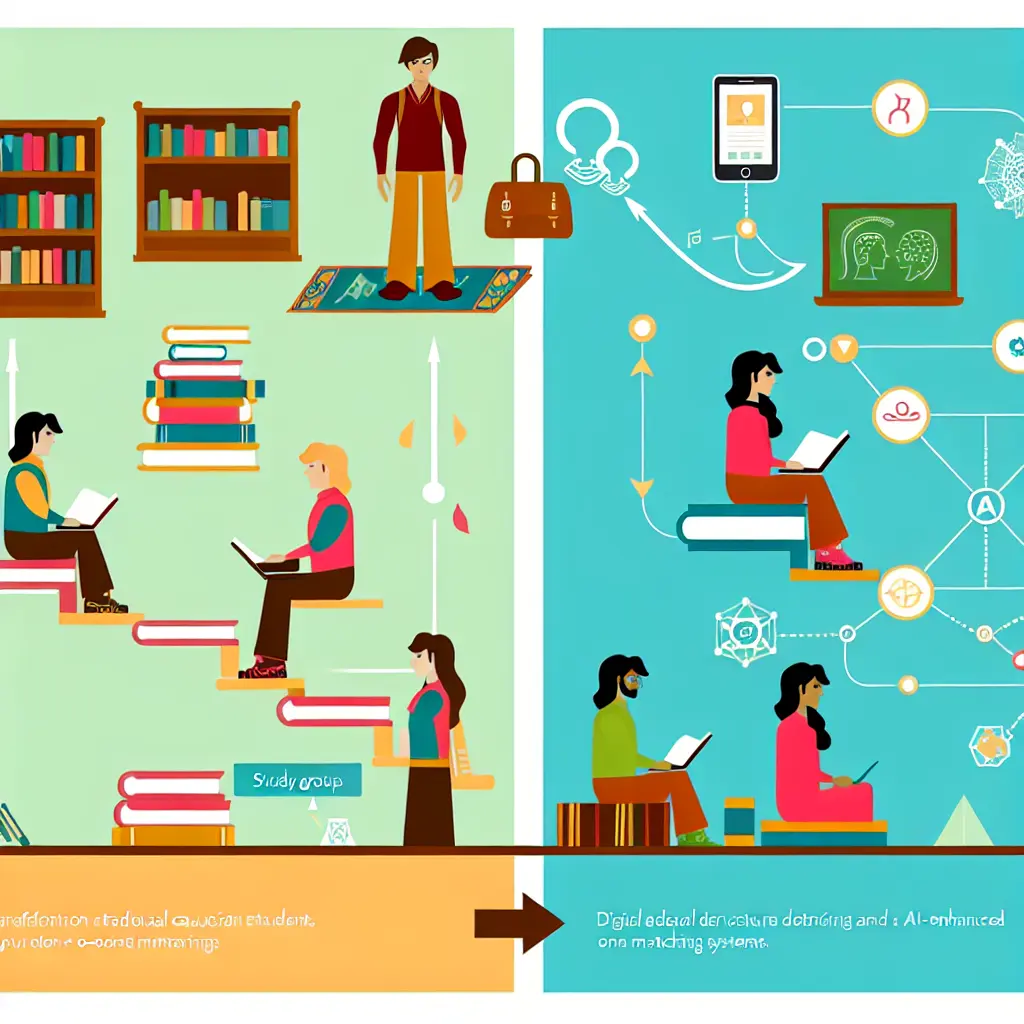
The emergence of “thesis accountability coaching” as a specialized field reflects growing recognition that this skill set—facilitating effective academic partnerships—requires specific training. We’re seeing the development of micro-credentials for peer mentorship skills, similar to how tutoring and teaching assistant roles have become professionalized.
Integration with time management systems is creating seamless workflows where accountability partnerships become embedded in daily academic routines. The time-blocking templates that protect deep work time now include dedicated slots for accountability check-ins and collaborative sessions.
Looking ahead to 2027, structured academic partnerships will likely become standard practice rather than innovative exception. The students pioneering these approaches today are building the systems that will become institutional best practices tomorrow. Universities that embrace this evolution will see dramatic improvements in thesis completion rates and student satisfaction.
The global nature of modern education is accelerating this trend. Remote and hybrid academic programs make traditional in-person support systems impossible, forcing institutions to develop digital-first accountability frameworks that actually prove more effective than their physical predecessors.
Start Your Thesis Accountability Partnership Today
Ready to transform your thesis writing experience? Here are three concrete ways to find your ideal thesis writing partner this week:
Strategy 1: Cross-Disciplinary Networking
Attend a graduate student event outside your department. Look for someone whose academic schedule complements yours—if you’re a night owl, find a morning person. If you’re in research phase, partner with someone in writing phase. The goal is complementarity, not similarity.
Strategy 2: Digital Partnership Platforms
Join online communities specifically designed for academic accountability. Many graduate programs have informal social media groups where you can post partnership requests. Be specific about what you’re looking for: writing frequency, check-in preferences, and partnership timeline.
Strategy 3: Structured Matching
Use platforms like app.tesify.io that facilitate academic partnerships. These tools help you define your partnership preferences, track compatibility with potential partners, and structure your first accountability check-ins for success.
Before initiating any partnership, create a “Partnership Charter” that establishes clear expectations:
- Meeting Schedule: When and how often you’ll check in (weekly video calls, daily text updates, etc.)
- Communication Boundaries: Response time expectations and preferred platforms
- Accountability Methods: How you’ll track and share progress
- Support Style: Whether you prefer gentle encouragement or direct challenge
- Partnership Duration: Is this semester-long, chapter-specific, or thesis-to-completion?
Start small with a two-week trial partnership. This removes pressure while giving both partners enough time to assess compatibility and effectiveness. Use the 14-Day Chapter Kickstart framework as your trial structure—it provides daily milestones perfect for testing accountability approaches.
Remember: your thesis doesn’t have to be a lonely journey. The most successful graduate students aren’t necessarily the smartest or most motivated—they’re the ones who build support systems that sustain them through the inevitable challenges of long-form academic work. Thesis accountability partnerships represent one of the most powerful, underutilized tools available to academic writers.
Join the movement of students who are transforming isolated thesis writing into collaborative success. Your future self—thesis complete, dissertation defended, degree conferred—will thank you for making this choice today.


Leave a Reply