
Zotero vs EndNote vs Mendeley 2025: Hidden Truths for New Thesis Writers
Starting your thesis journey can feel overwhelming, especially when choosing the right reference manager comparison for thesis students. The decision you make today about citation management could determine whether you spend the next year efficiently building your academic argument or wrestling with broken citations and lost references at 2 AM before your defense.
Why Your Reference Manager Choice Could Make or Break Your Thesis
Sarah, a PhD student in Environmental Science, learned this lesson the hard way. Six months into her thesis, she discovered that her chosen reference manager couldn’t handle the complex multi-source citations her interdisciplinary research required. The migration process cost her three weeks of precious writing time and nearly derailed her graduation timeline.
Sarah’s story isn’t unique. According to recent surveys from academic writing communities, 73% of thesis students regret their initial reference manager choice, with inadequate research during selection being the primary cause. The hidden cost of switching mid-thesis extends beyond lost time—it includes corrupted bibliographies, broken citations, and psychological stress when deadlines approach.
“The reference manager you choose isn’t just a tool—it becomes the backbone of your entire thesis workflow. Choose wrong, and you’ll feel the pain every single day of your writing journey.”
— Dr. Maria Rodriguez, Academic Writing Coach
Most reference manager comparisons focus on surface-level features like storage limits or citation styles. This guide digs deeper, revealing hidden truths that emerge only after months of intensive thesis work. We’ll explore real-world platform limitations, collaboration costs, and emerging trends shaping academic citation management through 2025.
The Evolution of Reference Management for Academic Writing
Academic citation management has transformed dramatically since manually typed bibliographies and index cards. The first digital reference managers emerged in the 1980s as desktop applications, but the real revolution began in the 2000s with cloud-based platforms offering cross-device synchronization and word processor integration.
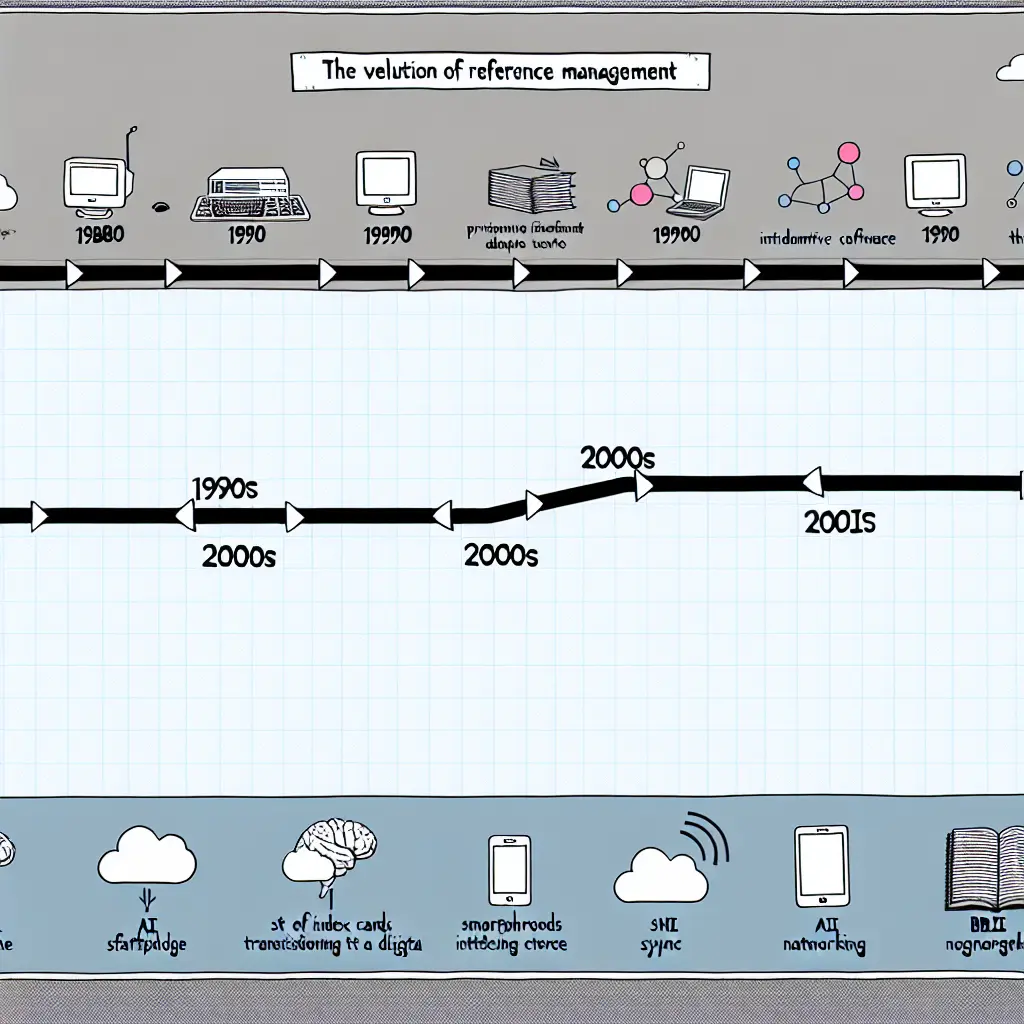
Today’s market features three distinct approaches: Zotero represents open-source philosophy with accessibility and extensibility focus. EndNote maintains its institutional standard position, particularly in scientific disciplines. Mendeley emphasizes social networking and collaboration while leveraging Elsevier’s academic database.
Thesis students face unique challenges distinguishing them from general researchers. Unlike professors managing ongoing projects or undergraduates handling course assignments, thesis writers need tools that evolve with multi-year projects, handle complex interdisciplinary citations, and integrate seamlessly with collaborative review processes.
The shift to cloud-integrated management has fundamentally changed thesis writing approaches. Modern platforms offer real-time synchronization, mobile accessibility, and collaborative features unimaginable a decade ago. However, this evolution introduces new complexities around data ownership, platform dependency, and internet connectivity requirements.
2025 Trends: AI Integration and Enhanced Collaboration
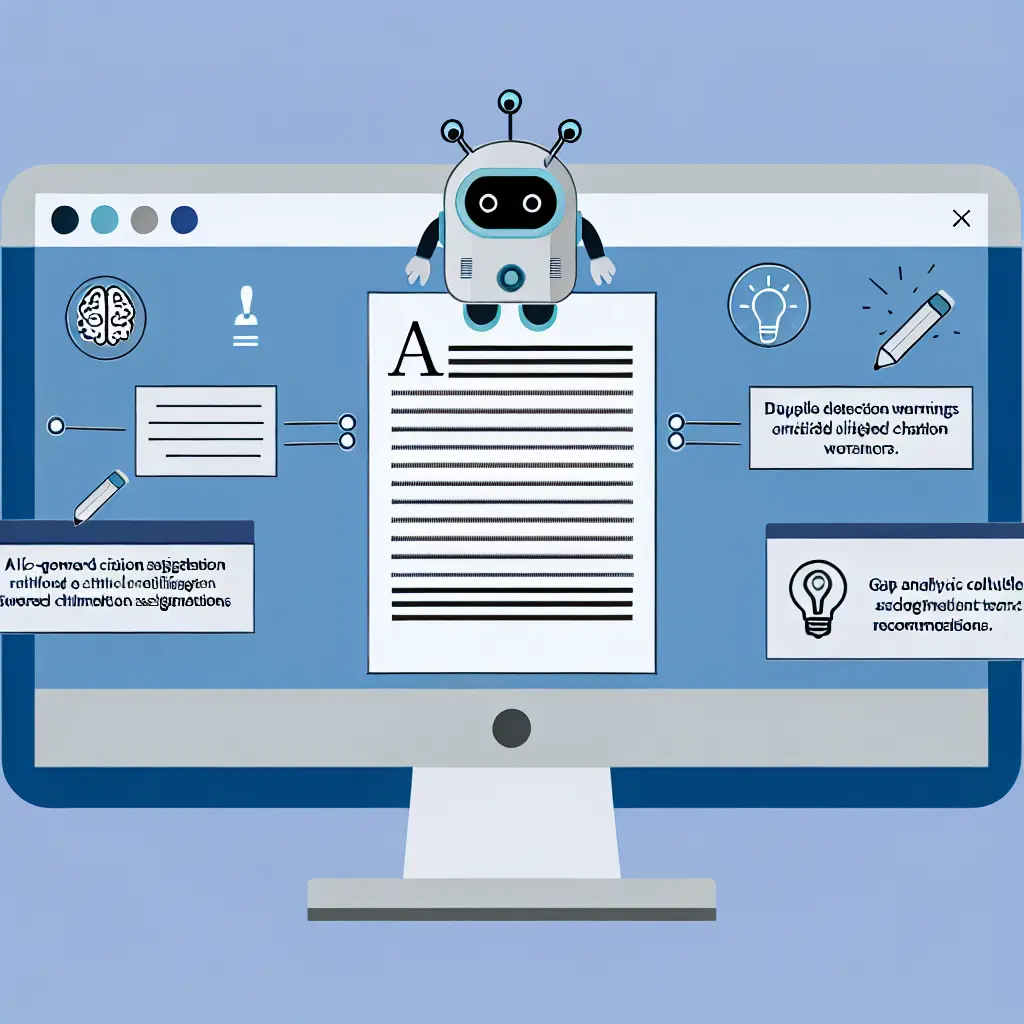
The 2025 reference management landscape is being revolutionized by artificial intelligence and enhanced collaboration capabilities. AI-powered features now automatically suggest relevant citations based on writing context, detect duplicate entries, and identify literature review gaps—transformative for thesis students managing hundreds or thousands of references.
AI-powered citation suggestions have matured significantly. Zotero’s plugins offer semantic document analysis, EndNote’s AI analyzes writing style for format recommendations, and Mendeley’s engine uses machine learning to surface relevant papers based on reading patterns.
Real-time collaboration features meet complex thesis committee needs. Modern platforms support granular sharing permissions, allowing advisors to suggest without altering main collections, while version control prevents simultaneous editing chaos.
Mobile accessibility shifted from convenience to essential requirement. Students increasingly research during commutes and between classes, making real-time citation capture and PDF annotation crucial for research productivity.
Hidden Insights: What Comparisons Don’t Tell Students
Zotero: The Open-Source Powerhouse
Zotero’s open-source nature provides advantages extending beyond cost savings. The Better BibTeX plugin makes it indispensable for LaTeX users, offering precise citation key control that commercial alternatives struggle to match. Unlimited storage eliminates mid-thesis anxiety, while extensive browser integration allows seamless source capture.
Hidden weaknesses often blindside new users. The steep learning curve overwhelms non-technical students, particularly when configuring advanced features. Limited collaboration features require careful setup that many underestimate.
Best for: Computer science, humanities, and budget-conscious students prioritizing control over convenience. Exceptional LaTeX integration and custom citation styles make it ideal for interdisciplinary projects.
EndNote: The Institutional Standard
EndNote’s reputation stems from seamless Word integration and comprehensive support infrastructure. Cite While You Write remains unmatched for reliability and formatting precision, while advanced search enables complex multi-database queries. Institutional support provides training, assistance, and system compatibility.
Hidden weaknesses create significant barriers. Individual licensing exceeds $300, prohibitive for unfunded students. Rare file corruption can be catastrophic during critical phases. Web version limitations force desktop maintenance, creating synchronization challenges.
Best for: Medical and scientific research students with institutional access. Sophisticated journal matching and exacting citation formatting serve scientific publishing standards.
Mendeley: The Social Research Platform
Mendeley emphasizes community and collaboration, offering social networking connecting similar researchers and AI recommendations surfacing relevant literature. Generous free storage and intuitive PDF annotation sync seamlessly across devices.
Hidden weaknesses extend beyond privacy concerns. Sync limitations frustrate large library users, while algorithm-driven recommendations may create research bubbles limiting diverse perspectives. Data portability restrictions complicate platform migration.
Best for: Social sciences and collaborative projects where networking enhances research. PDF annotation sync and research networking identify collaboration opportunities and similar projects.
Migration and Data Portability Reality
Switching reference managers mid-thesis involves challenges beyond simple export-import. While platforms support standard formats like BibTeX and RIS, metadata preservation varies significantly. Attachment links, annotations, and custom tags often don’t survive, requiring weeks of manual reconstruction.
Optimal switching windows occur during natural breaks—between chapters, semester breaks, or before writing phases. Students attempting transitions during active writing risk citation corruption cascading through document versions.
2025 Forecast: Emerging Trends
The 2025 landscape will be shaped by transformative trends extending beyond current capabilities. AI-assisted literature discovery will evolve from recommendation engines to sophisticated research assistants identifying methodological gaps and contradictory findings.
Blockchain-based citation verification will create immutable source records addressing predatory publishing concerns. Students benefit from automated plagiarism prevention systems verifying source authenticity beyond text matching.
The future lies in AI, collaborative research, and institutional integration—creating seamless workflows supporting the entire research lifecycle.
Enhanced accessibility features will address diverse learning needs through voice-to-text citation capture, visual annotation systems, and multi-language support becoming standard rather than premium features.
Integration with institutional thesis submission systems will become seamless, automatically formatting citations per university requirements and populating databases with complete metadata.
Choose Your Reference Manager: Take Action Today
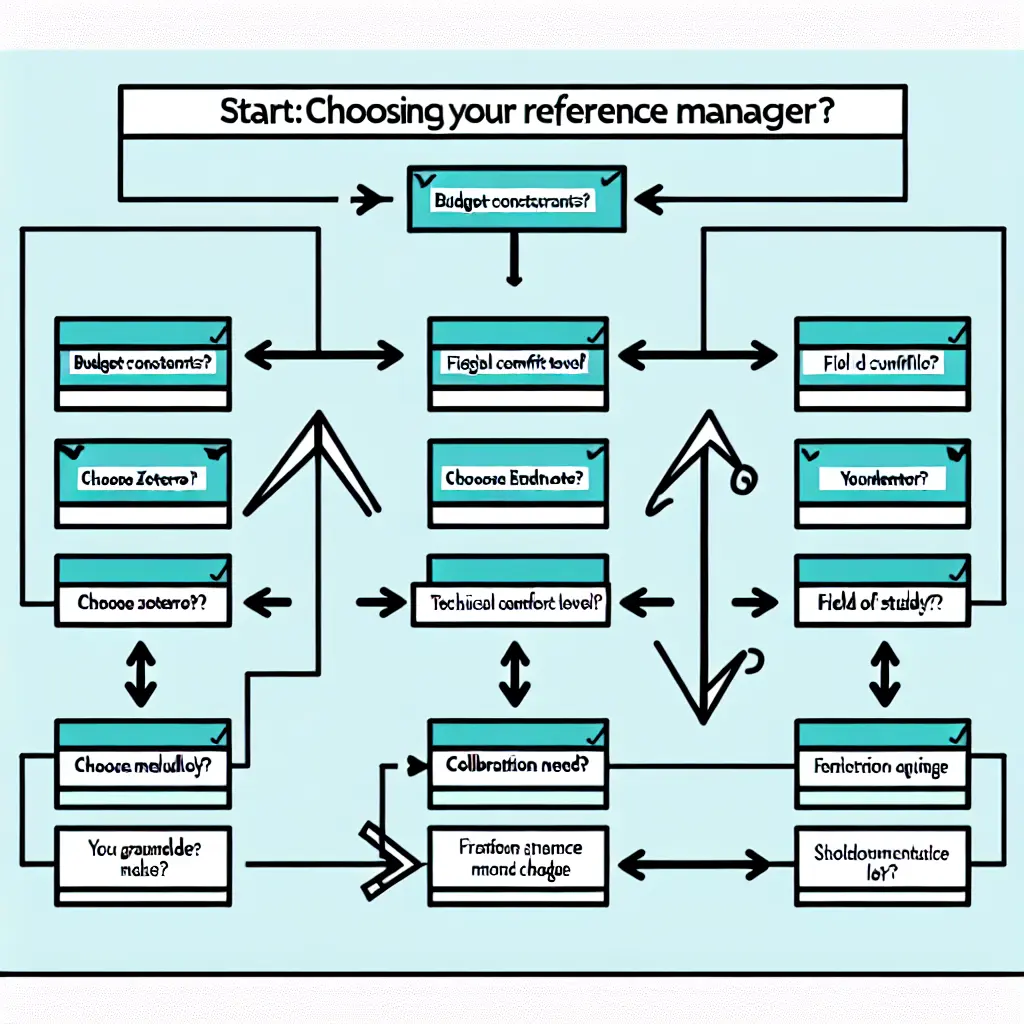
Making the right decision requires honest assessment of your needs, technical comfort, and research context. Use this quick decision framework:
- Budget and access: Cost concerns or lacking institutional EndNote access favor Zotero or Mendeley
- Technical comfort: Plugin-comfortable students thrive with Zotero; polished interface preferences suit EndNote or Mendeley
- Field complexity: STEM with institutional support favors EndNote; humanities and interdisciplinary benefit from Zotero flexibility
- Collaboration importance: Advisor collaboration and networking priorities advantage Mendeley’s social features
- Timeline: Multi-year projects should prioritize strong export capabilities and data portability
Your first-week setup should include account creation, browser extension installation, existing reference import, citation style configuration, and writing platform integration testing. Explore advanced features like PDF annotation, tag organization, and sharing settings before intensive research.
Ready to Begin Your Thesis Journey?
Your reference manager choice represents just one component of comprehensive thesis strategy. Explore our AI Tools for Thesis Research and Writing 2025 guide to understand integration with other essential thesis technologies.
Follow our First 30 Days Thesis Planning framework for systematic setup aligning your reference choice with overall timeline and milestones.
Use our 14-Day Thesis Chapter Kickstart to integrate reference workflow with productive writing habits preventing burnout.
Take action today by signing up for Tesify’s thesis planning platform to integrate your reference management choice with complete thesis workflow systems designed specifically for graduate students.
Your thesis journey begins with today’s tool choices. Select a reference manager that grows with your project, supports your methodology, and integrates seamlessly with your writing workflow. The time invested in informed decisions now pays dividends throughout every thesis development stage.




Leave a Reply