
What No One Tells You About Getting Thesis Feedback Fast
Here’s a shocking truth: while most students wait 3-6 weeks for supervisor feedback, the fastest get responses in just 3-5 days. The difference isn’t luck, timing, or even the quality of their work—it’s how they manage their supervisor relationships.
Poor supervisor relationship management creates unnecessary delays that can stretch your thesis timeline by months. But there’s a hidden framework that successful students use to accelerate their feedback cycles without damaging their academic relationships. Today, I’m revealing the unspoken rules of managing supervisor relationships for faster thesis feedback.
In this comprehensive guide, you’ll discover five research-backed strategies that can cut your feedback wait time in half, transforming how you approach your thesis journey. These aren’t just tips—they’re the systematic approaches that top-performing graduate students use to maintain momentum and finish faster.
Background: Why Traditional Feedback Approaches Fail
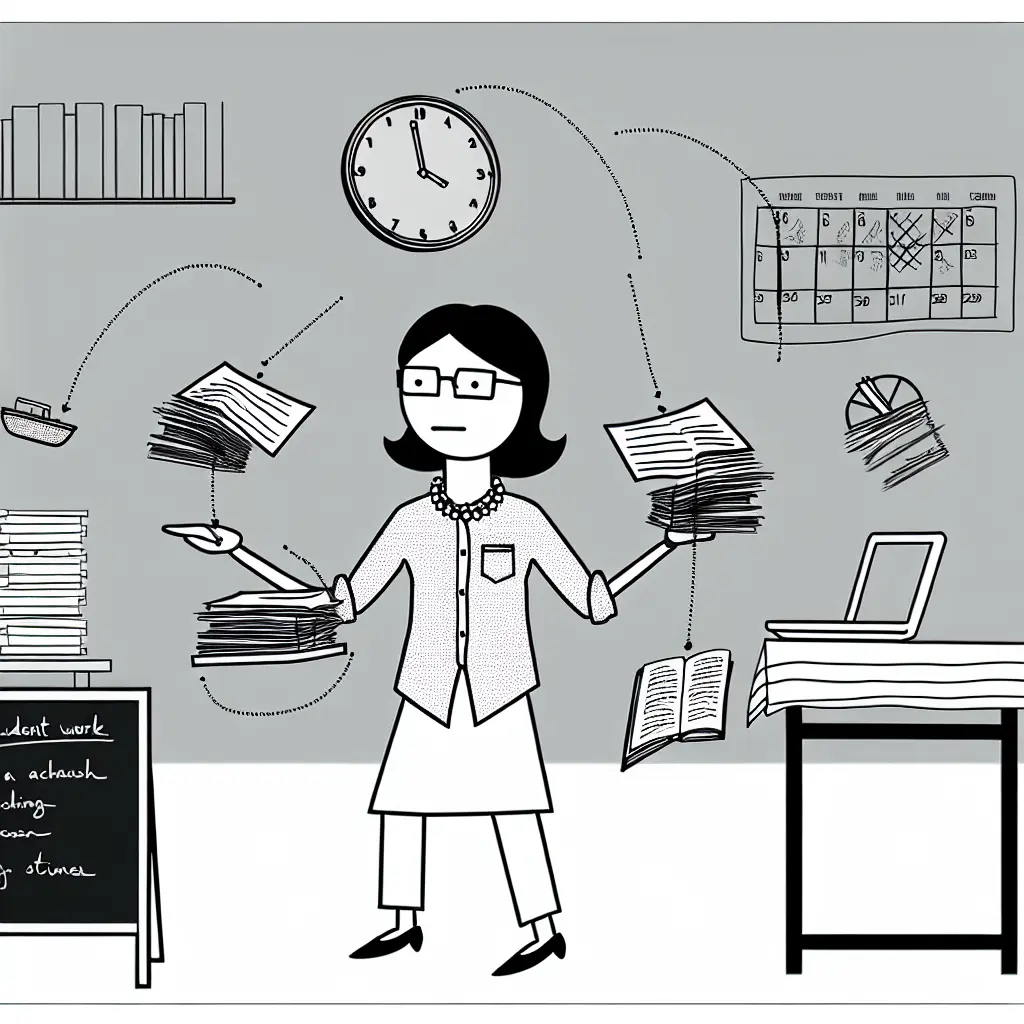
The reality is harsh: your supervisor isn’t sitting around waiting for your draft. They’re juggling 15-20 students, teaching responsibilities, research projects, administrative duties, and their own publication deadlines. According to a 2023 study by the Council of Graduate Schools, the average thesis advisor spends only 2.3 hours per week on each student’s supervision—and that includes meetings, not just feedback review.
Most students make critical mistakes that push their work to the bottom of their supervisor’s priority list. They submit chapters without context, send massive documents all at once, or worse—they disappear for weeks without communication, then expect immediate attention when they resurface.
The psychology behind supervisor responsiveness is simple: humans respond faster to requests that are clear, considerate, and convenient. When you make your supervisor’s job easier, they naturally prioritize your work. Research from the University of Cambridge shows that students who establish clear communication protocols from the start receive feedback 40% faster than those who don’t.
Think of it like a busy restaurant kitchen. The orders that are clearly written, properly formatted, and sent at the right time get prepared first. Your thesis feedback works the same way. If you’re still struggling with the fundamentals of thesis planning, our First 30 Days Thesis Planning guide shows you how to build these relationships from day one.
The most successful students understand that managing supervisor relationships for faster thesis feedback isn’t about being pushy—it’s about being professional, strategic, and respectful of your advisor’s time constraints while maximizing the value of every interaction.
Trend: The New Rules of Academic Communication in 2025
Academic communication has undergone a dramatic shift in 2025. The formal, hierarchical approach of previous decades has given way to strategic communication patterns that prioritize efficiency and mutual respect. Today’s most successful thesis students aren’t just writing better—they’re communicating smarter.
The rise of structured feedback requests and micro-deadlines has revolutionized how students interact with their supervisors. Instead of the old “please review when you have time” approach, smart students are implementing specific frameworks: “Could you review the methodology section (pages 15-23) by Friday morning? I’m particularly looking for feedback on the data collection protocol outlined in section 3.2.”
Featured Answer: To get faster thesis feedback in 2025, use the strategic submission method: send work in digestible chunks (10-15 pages max), provide specific context about what feedback you need, include a reasonable deadline (5-7 business days), and follow up respectfully after the agreed timeframe.
The most innovative students are gamifying supervisor engagement by creating shared progress trackers, sending brief weekly updates, and celebrating small wins together. This approach keeps their work top-of-mind without being intrusive.
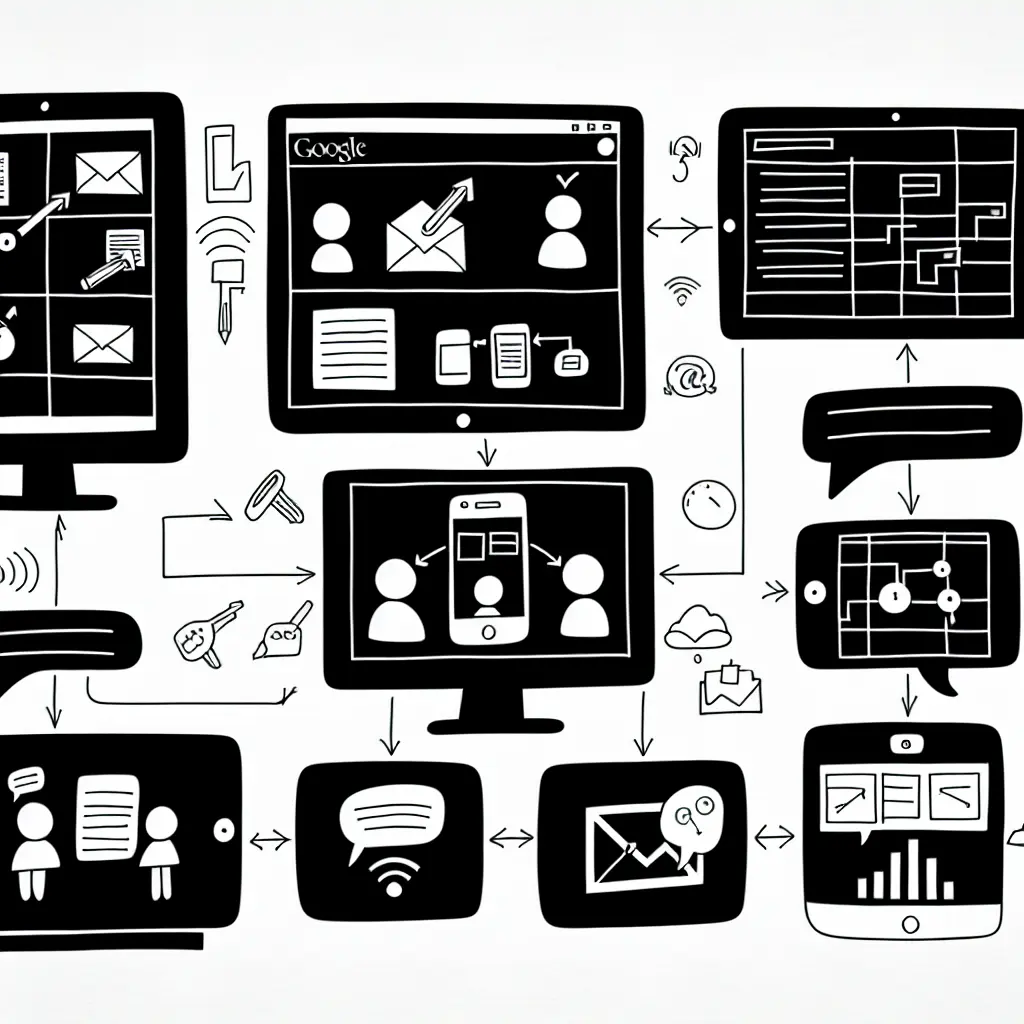
Digital tools are also transforming thesis supervision efficiency. Platforms like Google Docs with comment histories, project management tools like Notion, and specialized thesis platforms are making collaboration more seamless. Students who embrace these technologies while maintaining personal connection are seeing feedback turnarounds reduced by up to 50%.
For those looking to master the initial outreach and relationship building, our Supervisor Outreach and Advisor Selection guide provides proven email templates and timing strategies that get responses.
This shift toward strategic communication isn’t just a trend—it’s becoming the new standard. Universities are beginning to incorporate relationship management training into their graduate programs, recognizing that communication skills directly impact thesis completion rates and student satisfaction.
Insight: The 5-Step Framework for Faster Thesis Feedback
Step 1: Front-Load Your Relationship Investment
The foundation of managing supervisor relationships for faster thesis feedback starts before you even write your first chapter. During your initial meetings, establish clear communication preferences and response time expectations. Ask directly: “What’s your typical turnaround time for chapter reviews?” and “What format works best for you—printed documents, Google Docs, or email attachments?”
Create a feedback calendar together, marking out conference seasons, sabbaticals, and heavy teaching periods. This proactive approach shows professionalism and helps you plan your submission timing strategically. Most supervisors appreciate students who think ahead and respect their schedules.
Step 2: Master the Art of Strategic Submission Timing
Timing is everything in academic feedback. Avoid peak busy periods like conference abstract deadlines (typically January and May), final exam grading periods, and the first week of semesters. Research from Stanford University reveals that emails sent on Tuesday mornings between 10-11 AM have the highest response rates among academics.
The “Tuesday 10 AM rule” isn’t just folklore—it’s based on cognitive psychology. Monday mornings are overwhelmed with weekend backlog, while Friday afternoons are mentally checked out. Tuesday morning hits the sweet spot when your supervisor is mentally fresh and organized for the week ahead.
Step 3: Perfect Your Feedback Request Format
Your feedback request should follow a three-part structure: Context + Specific Ask + Timeline. Instead of “Please review my chapter,” try: “I’ve completed Chapter 4 (methodology) incorporating your previous suggestions about sample size. Could you focus on the data analysis section (pages 20-28) and let me know if the statistical approach aligns with our discussion? I’m hoping to receive feedback by next Wednesday to stay on track for my April defense.”
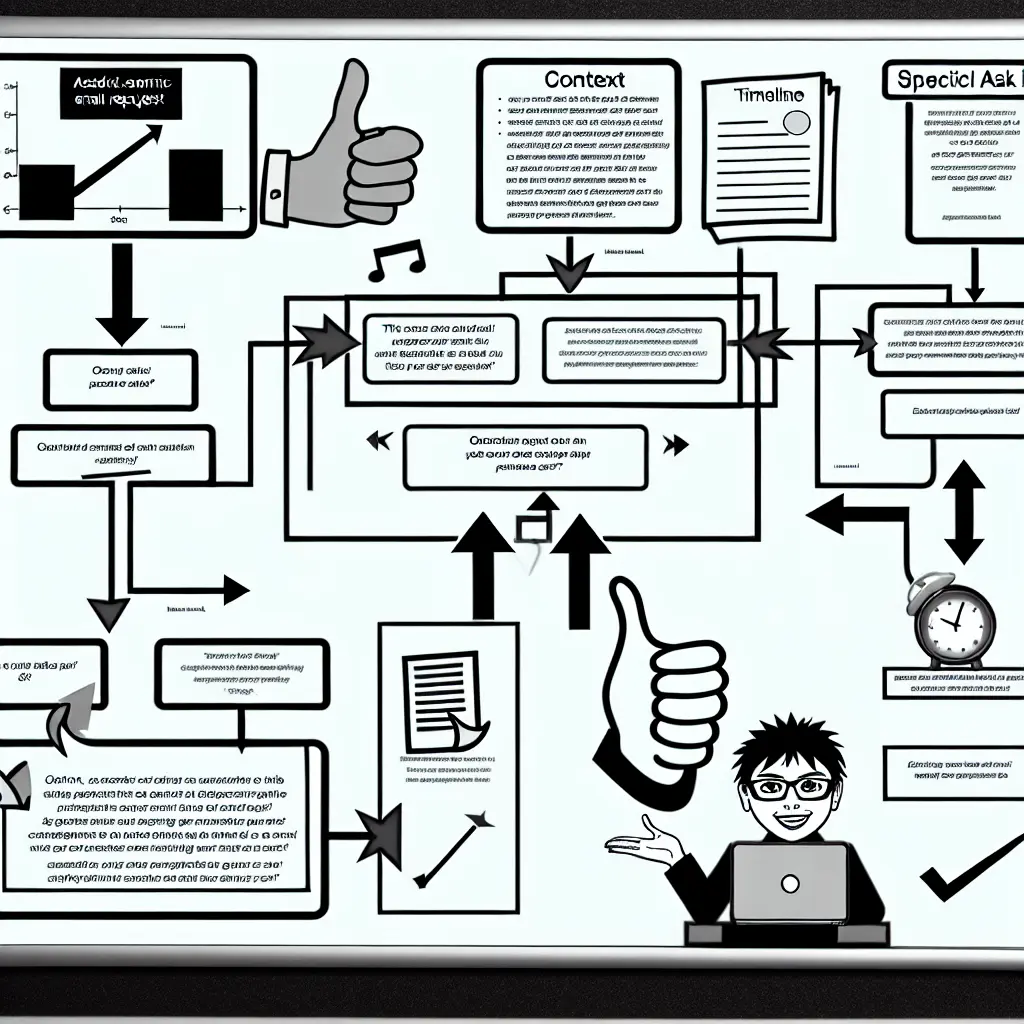
Make your work “scan-friendly” for busy supervisors. Use clear headings, highlight specific questions you have, and include a one-page summary of changes made since the last version. Think of yourself as a consultant presenting to a busy executive—clarity and brevity win.
Step 4: Implement the Follow-Up Protocol
Respectful follow-ups are crucial but delicate. Wait one business day past your agreed timeline, then send a brief, professional reminder. Use the “assumption of positive intent” approach: “I know you’re incredibly busy with conference season. When might be a better time to review Chapter 4? I’m happy to adjust my timeline accordingly.”
If there’s still no response after a week, escalate gently by offering alternatives: “Would it be helpful if I scheduled a brief meeting to discuss the chapter in person instead of written feedback?” This shows flexibility while maintaining momentum.
Step 5: Create Mutual Accountability Systems
Establish regular check-ins beyond formal feedback sessions. Send brief weekly progress emails highlighting what you’ve accomplished and what’s coming next. This keeps your work visible without demanding immediate attention.
Use shared documents and project management tools to create transparency. A shared Google Doc with your thesis timeline, current status, and upcoming deadlines helps your supervisor understand your progress and plan their feedback schedule accordingly. For comprehensive timeline planning that integrates feedback cycles, check out our Thesis Timeline Planning guide.
Forecast: What’s Coming Next in Thesis Supervision
The future of thesis supervision is rapidly evolving, and students who adapt now will have a significant competitive advantage. AI-assisted feedback tools are beginning to enter academic workflows, with platforms offering preliminary grammar checks, citation formatting, and even structural analysis before human review. This doesn’t replace supervisor feedback but makes it more focused and valuable.
Universities are increasingly adopting structured mentoring frameworks that formalize the relationship management practices I’ve outlined. By 2027, I predict these strategic communication approaches will become standard curriculum in graduate programs, not optional skills students learn by trial and error.
Remote thesis supervision, accelerated by the pandemic, has created new opportunities for more frequent, bite-sized interactions. Video check-ins, shared workspaces, and collaborative editing are becoming the norm rather than exception. Students who embrace these tools now are already seeing faster feedback cycles and stronger advisor relationships.
The most significant change coming is the recognition that thesis supervision is as much about project management and communication as it is about academic content. Universities are beginning to provide training for both students and supervisors on effective collaboration techniques, feedback protocols, and relationship management.
Students who master the art of managing supervisor relationships for faster thesis feedback today will find themselves ahead of the curve as these practices become institutionalized. They’ll enter their careers with superior communication skills, relationship management abilities, and project coordination experience—all highly valued in today’s professional landscape.
Transform Your Thesis Journey Today
Here’s the key takeaway: Managing supervisor relationships strategically can cut your feedback time in half while strengthening your academic partnerships. The students who finish their theses fastest aren’t necessarily the smartest—they’re the most strategic in their communication and relationship management.
Start implementing these five steps immediately:
- Schedule a relationship-building conversation with your supervisor this week
- Create a feedback calendar for your remaining chapters
- Reformat your next submission using the three-part structure
- Set up a shared project tracker
- Plan your follow-up protocol before you even submit
Ready to accelerate your thesis timeline? Join Tesify, the modern academic platform designed to streamline your thesis process. With built-in collaboration tools, AI-powered writing assistance, and integrated project management features, Tesify helps you implement these relationship management strategies seamlessly.
Join over 10,000+ students who’ve transformed their thesis experience and accelerated their academic timelines.
Remember: Your thesis doesn’t have to take forever—it just needs the right approach. The difference between students who struggle for years and those who finish efficiently isn’t talent or luck. It’s mastering the unspoken rules of academic collaboration and relationship management.
Your future self will thank you for making these changes today. Start building those strategic supervisor relationships now, and watch your feedback cycles accelerate dramatically.




Leave a Reply