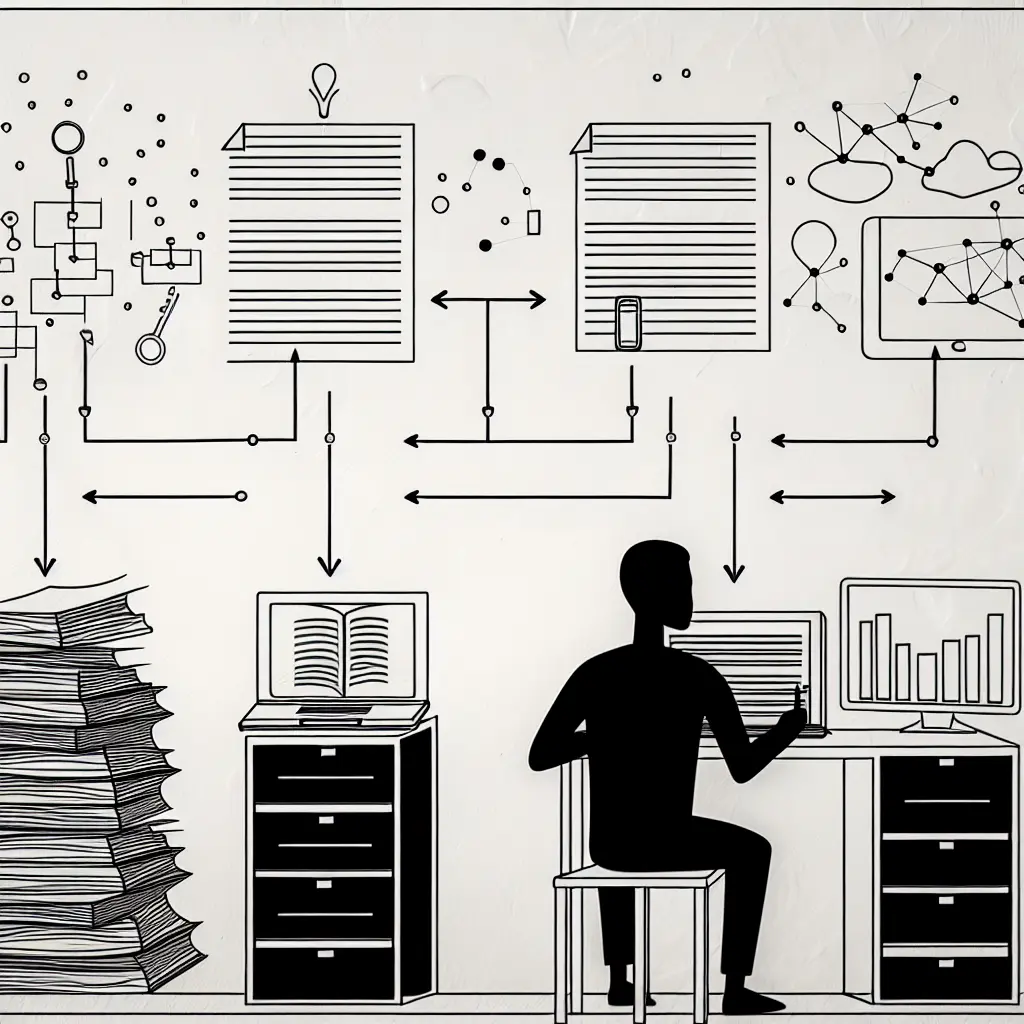

What No One Tells You About Data-Driven Thesis Writing in 2025
Introduction: The Hidden Revolution in Academic Research
Here’s a statistic that might shock you: 73% of thesis defenses in 2024 included interactive data visualizations, yet most students are still submitting static PDF documents that would have been considered cutting-edge in 2010. This disconnect reveals a hidden crisis in academia—while the digital transformation in thesis writing has fundamentally altered what constitutes excellent research, most students remain unaware of these evolving expectations.
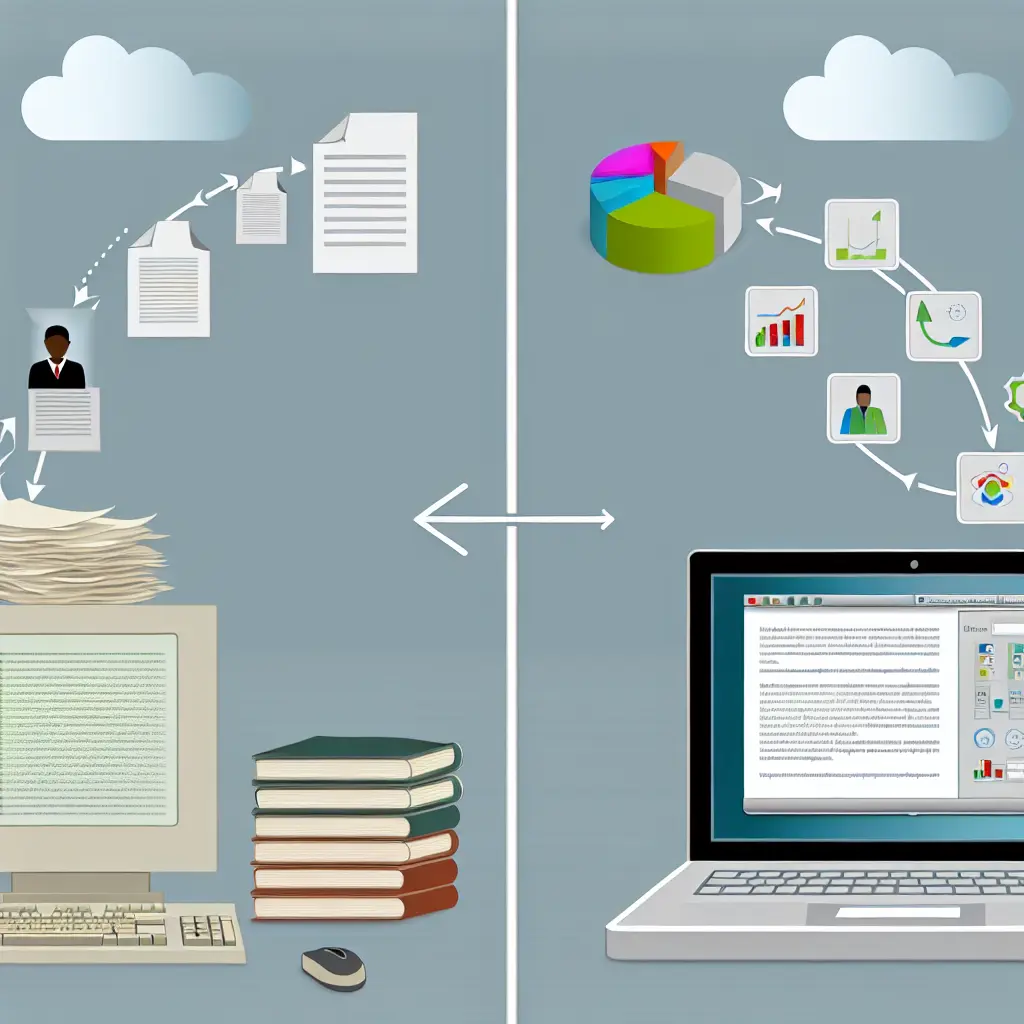
Traditional thesis writing methods are failing spectacularly in our digital age. Students continue to rely on outdated approaches like isolated research silos, manual citation management, and static document formats, while their peers who embrace data-driven methodologies are achieving significantly better outcomes in both defense success rates and post-graduation career prospects.
“The thesis is no longer just a document—it’s become a living, breathing research ecosystem that demonstrates your ability to work with data, collaborate effectively, and produce reproducible results.”
This transformation isn’t just about using fancy tools; it’s about fundamentally reconceptualizing how academic research should be conducted, documented, and shared. Data-driven approaches are revolutionizing every aspect of thesis development—from initial research design to final defense presentations—creating opportunities for students who understand these changes while leaving traditional approaches increasingly obsolete.
In this comprehensive guide, you’ll discover the hidden expectations that universities rarely communicate explicitly, the emerging technologies that are reshaping academic standards, and most importantly, the practical steps you can take to leverage digital transformation in thesis writing for maximum impact. Whether you’re just beginning your thesis journey or looking to elevate your current research approach, understanding these changes isn’t optional—it’s essential for academic success in 2025 and beyond.
Background: From Paper-Based to Data-Centric Academic Writing
The evolution of thesis writing over the past decade has been nothing short of revolutionary, yet it’s happened so gradually that many students and even some faculty haven’t fully grasped its implications. In 2014, a typical thesis workflow involved Microsoft Word documents, printed journal articles, and manual bibliography management using tools like EndNote or Mendeley as separate, disconnected processes.
Traditional limitations created significant barriers to quality research. Static PDF submissions meant that reviewers couldn’t interact with data, verify calculations, or explore alternative interpretations of findings. Students worked in isolation, unable to benefit from real-time collaboration or version control systems that had already become standard in professional software development.
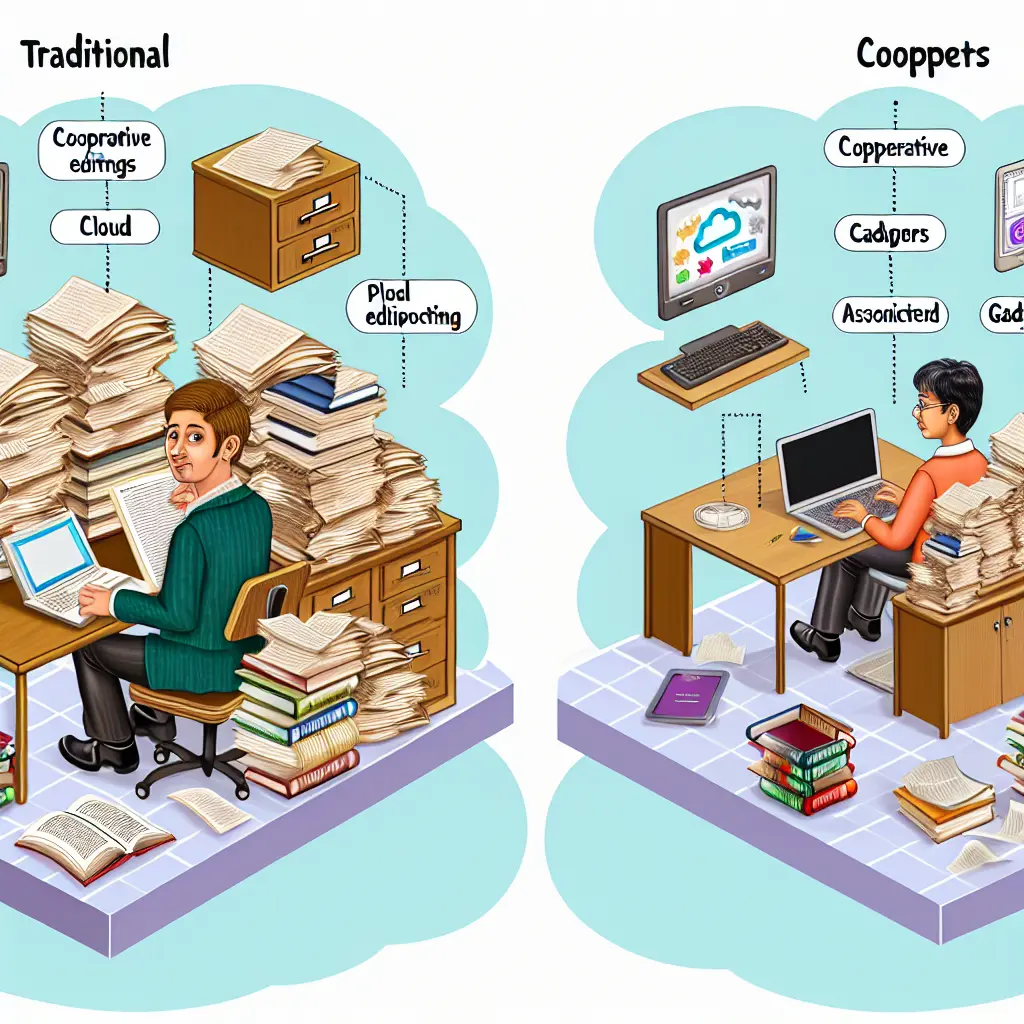
Manual citation management led to formatting inconsistencies and frequent errors, while the inability to automatically update references meant that last-minute discoveries often couldn’t be incorporated effectively. Between 2020 and 2024, the emergence of digital tools in academic research accelerated dramatically, driven partly by remote learning necessities during the pandemic.
Cloud-based research platforms, AI-powered writing assistants, and integrated data analysis tools began appearing in university technology stacks. However, adoption remained uneven—while some institutions embraced these changes, others continued to rely on traditional methods due to institutional inertia or concerns about academic integrity.
Today’s landscape reveals a striking paradox: universities increasingly expect digital literacy and data-driven approaches, yet most students continue using outdated methods simply because they’re unaware of better alternatives. According to recent surveys from the Association of University Research Libraries, 68% of graduate students report feeling unprepared for modern thesis expectations, despite having grown up as digital natives.
This gap between institutional expectations and student preparation creates a significant opportunity. Students who understand and implement digital transformation in thesis writing consistently outperform their peers, not just in terms of research quality but also in developing skills that translate directly to professional success. The question isn’t whether these changes will continue—it’s whether you’ll be among the early adopters who benefit from them, or among those left behind by rapid technological evolution in academic standards.
Trend: The Rise of Interactive, Reproducible Research Documents
The most significant shift in modern academia is the move toward interactive, reproducible research documents that go far beyond traditional static presentations. Think of it like the difference between a printed newspaper and a modern news website—while both convey information, one provides a fixed snapshot while the other offers dynamic, updated content that readers can explore and interact with according to their interests.
Real-time data integration has become increasingly common in thesis chapters, allowing authors to connect their work directly to live databases and ongoing research streams. Instead of including screenshots of data analysis results, modern theses incorporate embedded visualizations that reviewers can manipulate, filter, and explore.
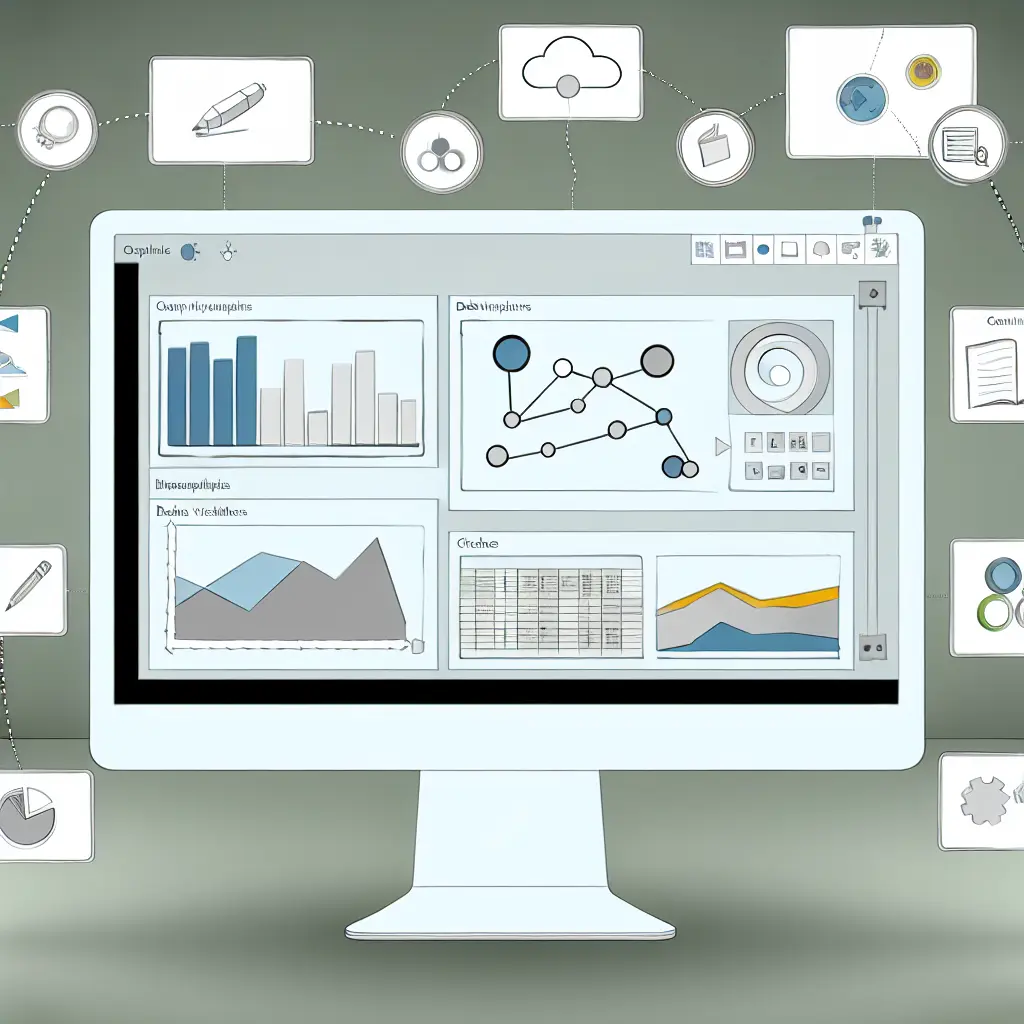
Version-controlled research has emerged as a game-changer for thesis quality and collaboration. Using platforms similar to GitHub but designed for academic work, students can now maintain complete audit trails of their research process, showing exactly how their thinking evolved over time. This transparency addresses the growing concerns about research reproducibility while providing valuable documentation for thesis defenses.
Collaborative thesis writing using cloud-based platforms has transformed the traditional advisor-student relationship. Instead of exchanging documents via email and struggling with conflicting versions, modern thesis development occurs in shared digital environments where advisors can provide real-time feedback, suggest improvements, and collaborate on complex sections. Advanced platforms like Tesify integrate multiple tools into seamless workflows that support everything from initial research planning to final presentation preparation.
AI-assisted research and writing tools have moved from experimental curiosities to mainstream necessities. These aren’t tools that write content for students—rather, they serve as sophisticated assistants that help identify research gaps, suggest relevant citations, detect potential plagiarism issues, and improve writing clarity. The key is learning to use these tools ethically and effectively, as proper AI citation and transparency practices become increasingly important for academic integrity.
Perhaps most importantly, there’s been a fundamental shift from product-focused to process-based thesis evaluation. Traditional approaches emphasized the final document as the primary deliverable, but modern assessment increasingly values the research process itself—how well students document their methodology, collaborate with others, and demonstrate reproducible practices. This change reflects broader trends in professional environments where process documentation and collaborative skills are often more valuable than individual outputs.
Insight: What Universities Won’t Tell You About Modern Thesis Expectations
Here’s what universities rarely communicate explicitly: faculty members are increasingly evaluating digital transformation efforts as a proxy for future professional success, even when it’s not officially part of the grading rubric. Professors understand that students who can effectively leverage modern research tools and demonstrate technical literacy are better prepared for careers in data-driven environments, regardless of their specific academic discipline.
The reproducibility crisis in academic research has made data transparency non-negotiable in many fields. While this concern has been building for years, recent high-profile retractions and the increasing availability of fraud detection tools mean that thesis committees now expect comprehensive documentation of data sources, analysis methods, and decision-making processes.
⚠️ The Hidden Truth About Thesis Templates
Traditional thesis templates are actually sabotaging research impact in subtle but important ways. These formats were designed for print publication and don’t accommodate the interactive elements, multimedia content, and dynamic visualizations that make modern research more engaging and accessible.
Students who break free from these constraints—while maintaining academic rigor—often produce work that generates more interest from both academic and professional communities. The secret advantage of comprehensive process documentation extends far beyond thesis defense. Students who maintain detailed records of their research methodology, tool selection, collaboration processes, and problem-solving approaches often find these skills directly transferable to project management, consulting, and leadership roles.
Understanding how process-based evaluation works helps students focus their efforts on developing these valuable professional competencies. Digital-native students consistently outperform their peers when they apply their intuitive understanding of technology to academic work.
However, many make the mistake of assuming that familiarity with consumer technology translates automatically to research proficiency. The students who excel are those who deliberately learn academic-specific tools and workflows, bridging their digital intuition with scholarly requirements.
There’s an unspoken expectation for technical literacy that extends across disciplines. Even in traditionally non-technical fields like literature, history, or philosophy, committees increasingly expect students to demonstrate comfort with digital research methods, data visualization, and collaborative technologies. This doesn’t mean every thesis needs to include complex statistical analysis, but it does mean that students should be prepared to justify their methodological choices and demonstrate awareness of available technological resources.
The implications extend far beyond graduation. Employers consistently report that candidates who can demonstrate experience with data-driven decision making, collaborative digital workflows, and systematic problem-solving approaches have significant advantages in hiring processes, regardless of their specific academic background.
Forecast: The Future of Academic Research and Thesis Writing
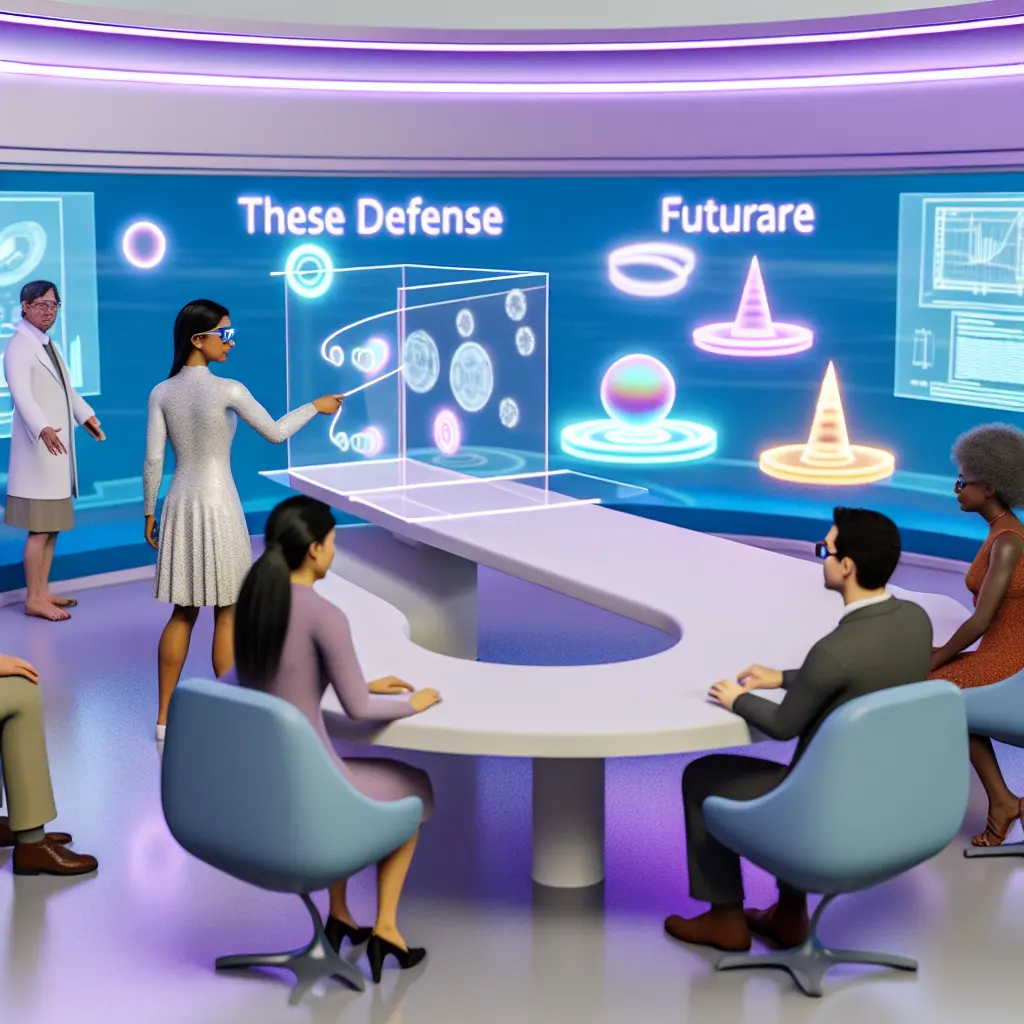
By 2026, we predict that fully interactive thesis defenses will become standard practice at leading research universities. Instead of traditional PowerPoint presentations, students will guide committee members through dynamic dashboards, real-time data explorations, and collaborative analysis sessions. This shift reflects broader trends toward experiential evaluation methods that better assess practical competencies rather than just theoretical knowledge.
Blockchain technology integration for research provenance is emerging as a solution to persistent concerns about data integrity and intellectual property in collaborative research environments. Early pilot programs at several universities are exploring how distributed ledger technology can create immutable records of research contributions, data sources, and analytical decisions, providing unprecedented transparency for thesis committees and potential publishers.
AR/VR presentations are already becoming standard in specific disciplines like architecture, engineering, and medical research, where spatial reasoning and three-dimensional visualization provide significant advantages. As hardware costs decrease and software tools improve, expect these technologies to expand into social sciences, business, and even humanities research where complex data relationships benefit from immersive exploration.
Real-time peer review and collaborative thesis evaluation systems are being developed to address concerns about the traditional closed-door committee process. These platforms allow for broader input from relevant experts while maintaining academic rigor and confidentiality requirements. The result is more comprehensive feedback and better preparation for post-graduation professional environments where collaborative evaluation is standard practice.
The inevitable obsolescence of PDF-only thesis submissions represents more than just a format change—it signals a fundamental shift toward viewing theses as living research documents rather than static publications. Universities are beginning to require submission packages that include raw data, analysis code, interactive visualizations, and comprehensive documentation.
Early adopters of these changes will have significant advantages in both academic and professional careers. Students who begin planning for data-driven approaches from day one develop competencies that translate directly to consulting, research, and leadership roles where systematic thinking and technological fluency are increasingly valued.
The role of AI in thesis writing and evaluation will continue expanding between 2025-2030, but not in ways that replace human judgment. Instead, expect sophisticated tools that help with literature review automation, methodological consistency checking, and collaborative writing support. The key will be learning to work effectively with these tools while maintaining academic integrity and developing unique human insights that AI cannot replicate.
Call-to-Action: Start Your Data-Driven Thesis Journey Today
The transition to data-driven thesis writing doesn’t require a complete overhaul of your current approach—it begins with small, strategic changes that compound over time. Start by evaluating your current research workflow and identifying one area where digital tools could provide immediate value, whether that’s improving your citation management, enhancing data visualization, or facilitating better collaboration with your advisor.
Essential tools for digital transformation in thesis writing include cloud-based research platforms that integrate multiple functions, version control systems designed for academic work, and AI-powered assistants that help with literature review and writing clarity. However, the most important factor isn’t which specific tools you choose—it’s developing a systematic approach to leveraging technology for better research outcomes.
🚀 Transform Your Thesis with Tesify
We strongly recommend exploring Tesify as the comprehensive solution for modern thesis development. Unlike scattered individual tools that require manual integration, Tesify provides a unified platform specifically designed for the complete thesis lifecycle.
From initial research planning and data collection to collaborative writing, citation management, and defense preparation, Tesify addresses every challenge discussed in this article through a single, intuitive interface.
Tesify’s standout features directly address the digital transformation needs we’ve outlined: real-time collaboration tools that eliminate version control problems, integrated AI assistants that help with research and writing while maintaining academic integrity, comprehensive project management capabilities that ensure you stay on track, and built-in tools for creating interactive presentations that will impress thesis committees.
The platform was built by academics who understand the specific challenges of modern thesis writing, not generic productivity software adapted for academic use.
✅ Ready to Transform Your Thesis Approach?
Take these immediate action steps:
- Sign up for a free Tesify account at app.tesify.io
- Download our comprehensive thesis planning template to structure your data-driven approach
- Schedule a consultation with your advisor to discuss incorporating digital methods into your research plan
- Join the Tesify community for ongoing support, resources, and connection with other students embracing modern thesis methodologies
The students who succeed in 2025 and beyond won’t be those with the most traditional academic credentials—they’ll be those who understand how to leverage technology effectively while maintaining the rigor and integrity that define excellent scholarship. The question isn’t whether digital transformation in thesis writing will become standard practice—it’s whether you’ll be among the early adopters who benefit from these changes, or among those who struggle to catch up later.
Your thesis represents more than just an academic requirement—it’s your opportunity to demonstrate the kind of systematic thinking, technological fluency, and collaborative competence that define success in our increasingly data-driven world. Start your digital transformation today, and give yourself the competitive advantage you need for both academic success and professional achievement.




Leave a Reply