
Best AI Tools for Starting Your Thesis in 2025: Complete Guide
Introduction: The AI Revolution in Academic Research
Picture this scenario: Graduate students can now complete comprehensive literature reviews in 10 hours instead of 10 weeks. What previously required months of manually sifting through countless papers, organizing citations, and battling writer’s block can now be accomplished in mere days—thanks to the revolutionary capabilities of AI-powered research and writing tools.

The traditional thesis writing journey has long been fraught with overwhelming challenges. Crushing time constraints push students to their breaking point, information overload creates paralyzing uncertainty, and the infamous writer’s block can halt progress for weeks at a time. Layer on the pressure of producing original, high-quality research while juggling coursework, teaching responsibilities, or full-time employment, and it becomes clear why thesis completion rates remain frustratingly low across academic disciplines.
“The average doctoral student requires 7-10 years to complete their degree, with thesis writing representing the single largest bottleneck in the entire process.”
— Council of Graduate Schools, 2023
Here’s where everything changes: AI tools for thesis research and writing are fundamentally reshaping how graduate students approach their academic work. These intelligent systems don’t merely accelerate individual tasks—they orchestrate complete workflows, seamlessly connecting literature discovery to final formatting while creating a comprehensive research ecosystem that amplifies human creativity rather than replacing it.
Throughout this comprehensive guide, you’ll explore the five essential pillars of AI-powered thesis preparation, learn to select optimal tools for your specific research discipline, and receive a practical roadmap for implementing these technologies in your own thesis journey. We’ll also examine emerging trends for 2025 and beyond, ensuring you stay at the forefront of academic innovation.
For broader context on how these tools integrate into the evolving landscape of academic work, explore our foundational Digital Transformation in Thesis Writing: 2025 Guide, which provides essential frameworks for understanding modern thesis workflows.
Background: Why AI Tools Are Essential for Modern Thesis Writing
The academic landscape has experienced a profound transformation over the past decade. We’ve evolved from manual research methodologies—think library card catalogs and photocopied journal articles—to a digital-first ecosystem where information flows at unprecedented velocity. This evolution isn’t merely convenient; it’s become absolutely critical for academic survival and success.
Consider the staggering scale of contemporary academic publishing: over 2.5 million scientific papers are published annually, with this figure expanding by approximately 8-9% each year. For graduate students embarking on their literature review, this represents both an extraordinary opportunity and a potentially paralyzing challenge. How do you successfully navigate this vast ocean of knowledge to identify the specific insights that will propel your research forward?
The Perfect Storm of Academic Pressure
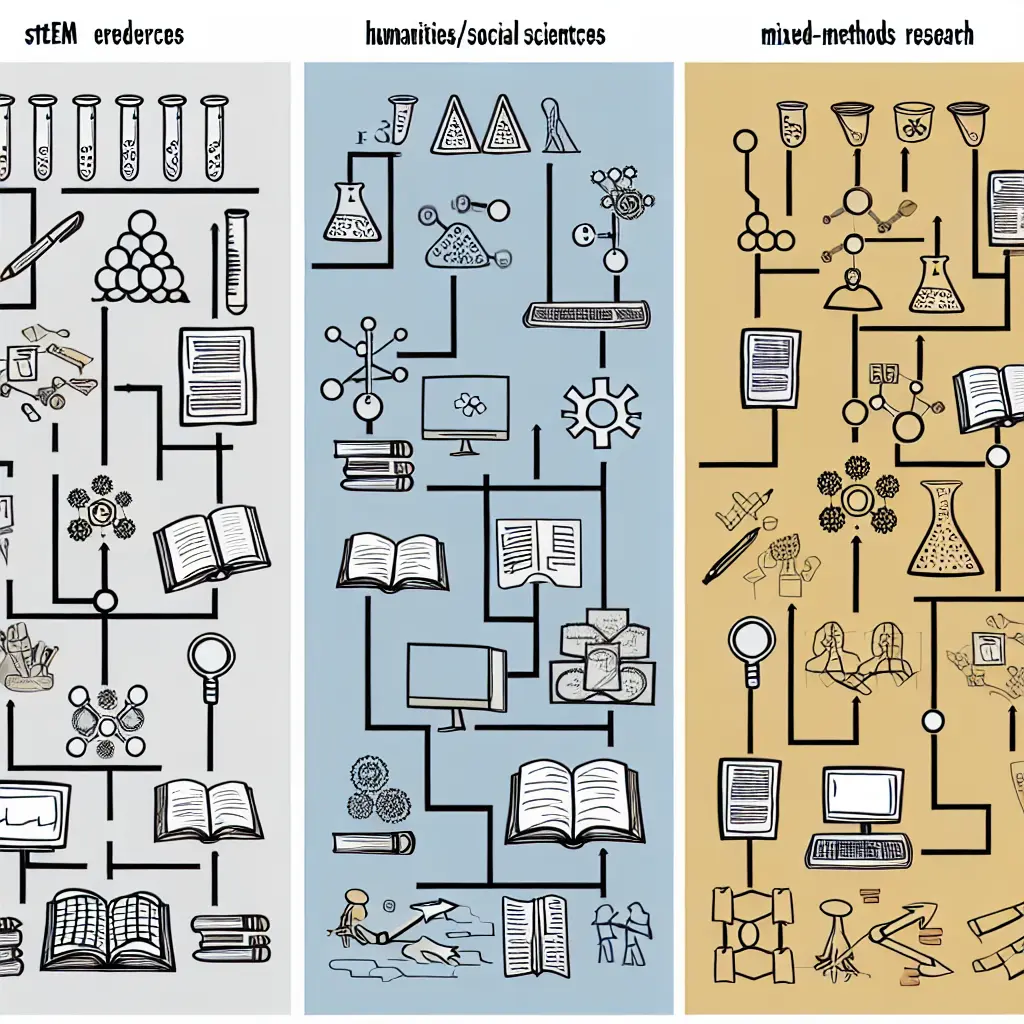
Today’s graduate students confront a unique combination of challenges that previous generations never encountered:
- Information Explosion: The overwhelming volume of available research makes comprehensive literature reviews virtually impossible using conventional methods alone
- Compressed Timelines: Funding constraints and program requirements demand faster completion times, often without proportional increases in support resources or guidance
- Interdisciplinary Requirements: Modern research increasingly demands knowledge spanning multiple fields, creating needs for both broader and deeper understanding
- Technical Complexity: Advanced analytical methods and sophisticated data visualization requirements necessitate high-level technical proficiency
Think of this transformation like crossing a river: Twenty years ago, graduate students could wade across a narrow stream of available research. Today, they face rushing rapids that require specialized equipment—AI tools—to navigate safely and efficiently toward their destination.
The productivity differential between AI-assisted and traditional thesis workflows is remarkable. Research conducted by MIT Sloan School of Management in 2024 demonstrated that graduate students utilizing integrated AI tools completed literature reviews 6.4 times faster while maintaining superior quality standards for source relevance and citation accuracy.
Academic Integrity in the AI Era
This technological revolution naturally raises critical questions about academic integrity and institutional acceptance. The essential distinction lies in understanding AI tools as research amplifiers rather than content generators. When employed ethically and transparently, these tools enhance human creativity and analytical capabilities without compromising the originality and authenticity that define exemplary academic work.
A tool becomes “thesis-ready” in 2025 when it satisfies three fundamental criteria: it enhances rather than replaces human thinking, maintains transparent operation allowing for proper citation and disclosure, and integrates seamlessly with established academic workflows and institutional requirements.
Current Trend: The 5 Pillars of AI-Powered Thesis Preparation
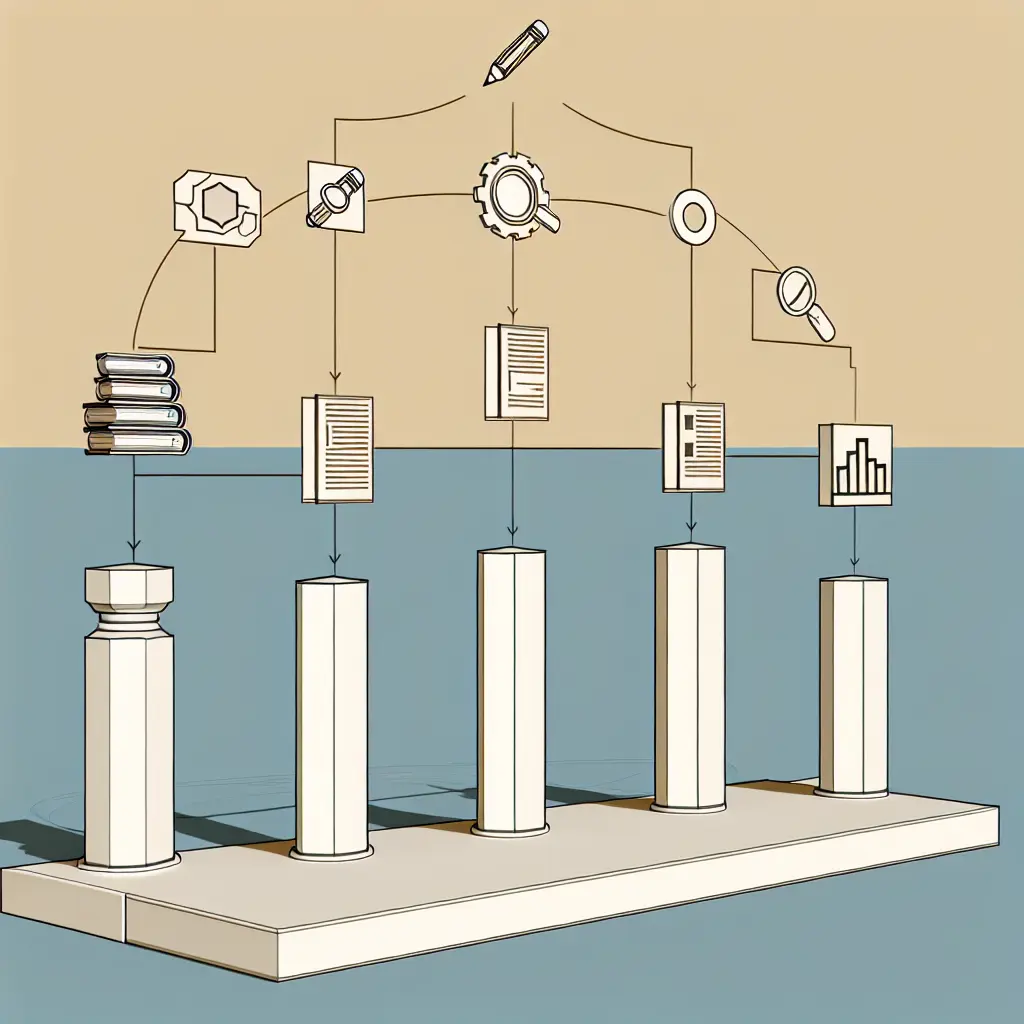
The most successful thesis writers in 2025 organize their AI tools for thesis research and writing around five fundamental pillars. Each pillar addresses specific aspects of the research process, and together they create a comprehensive ecosystem for academic productivity and excellence.
Pillar 1: Literature Discovery & Analysis
The era of endless keyword searches through traditional databases is rapidly concluding. Modern literature discovery leverages semantic understanding and sophisticated connection mapping to uncover relevant research you might never have discovered through conventional methods.
Semantic Search Revolution: Advanced tools like Semantic Scholar understand the conceptual meaning behind your queries, transcending simple keyword matching. Connected Papers generates visual maps of research relationships, helping you identify influential papers and emerging trends within your field. Elicit advances this further by answering specific research questions using synthesized evidence from multiple papers simultaneously.
AI Research Assistants: Perplexity AI functions like having a dedicated research librarian who has absorbed every paper ever published, providing synthesized answers with comprehensive citations. Consensus specializes in identifying scientific consensus on controversial topics, while SciSpace helps decode complex papers by translating technical concepts into accessible language.
Citation Mapping Platforms: ResearchRabbit and Litmaps transform the traditionally tedious process of forward and backward citation tracking into an interactive, visual experience that reveals research patterns and identifies promising knowledge gaps for further investigation.
For a comprehensive walkthrough demonstrating how these tools work synergistically in practice, explore our detailed Fast Literature Review Methodology: 10-Hour Scoping Sprint, which demonstrates a complete AI-powered workflow from initial research question formulation to comprehensive literature synthesis.
Pillar 2: AI Writing & Content Generation
The blank page syndrome that has terrorized graduate students for generations is becoming extinct. Modern AI writing tools don’t write your thesis for you—instead, they help you articulate your own ideas more clearly, efficiently, and persuasively.
Academic Writing Assistants: Grammarly Academic has evolved beyond basic grammar checking to understand academic writing conventions and suggest targeted improvements for clarity, tone, and scholarly impact. Writefull specializes in academic language patterns, helping non-native speakers achieve professional academic writing standards. QuillBot excels at intelligent paraphrasing and summarization while maintaining strict academic integrity.
Intelligent Outline Generation: ChatGPT-4 and Claude excel at helping structure complex arguments and identifying logical gaps in your reasoning process. Jasper Academic specializes in creating detailed, discipline-specific outlines that follow established academic conventions and formatting requirements.
Structure and Organization Tools: Scrivener with AI plugins provides a powerful writing environment that maintains synchronization between your research, notes, and drafts throughout the writing process. Notion AI templates offer pre-built thesis structures that intelligently adapt to your specific research needs and institutional requirements.
Pillar 3: Data Analysis & Visualization
Whether your research involves quantitative data, qualitative interviews, or sophisticated mixed methods approaches, AI-powered analysis tools can identify patterns and generate insights that might require weeks to discover through manual analysis alone.
Statistical AI Revolution: JASP delivers user-friendly statistical analysis with AI-assisted interpretation of complex results. R with AI packages such as tidymodels and torch provide cutting-edge machine learning capabilities for advanced researchers. DataRobot offers automated machine learning that can identify optimal analytical models for your specific dataset characteristics.
Qualitative Analysis Transformation: NVivo with AI coding can automatically identify themes, patterns, and conceptual relationships within interview transcripts and document collections. Atlas.ti AI features help researchers discover previously hidden connections between concepts that might otherwise remain buried in large qualitative datasets.
Visualization Intelligence: Tableau AI intelligently suggests optimal chart types and automatically identifies compelling data stories within your research findings. Microsoft Copilot in Excel creates publication-ready visualizations using natural language commands, dramatically reducing the technical barrier to professional-quality data presentation.
Pillar 4: Reference Management & Citation
Proper citation management becomes exponentially more critical—and significantly more complex—when working with AI-assisted research methodologies. Modern tools not only organize your sources efficiently but also verify accuracy and ensure compliance with evolving academic integrity standards.
Smart Citation Intelligence: Zotero with Better BibTeX creates seamless integration between reference management and LaTeX writing workflows, essential for technical disciplines. Mendeley with AI suggestions proactively recommends relevant papers based on your existing library and documented reading patterns.
Format Automation: EndNote’s Cite While You Write and RefWorks handle the notoriously tedious formatting requirements across different citation styles, ensuring perfect consistency throughout your document regardless of length or complexity.
Integrity Protection: Turnitin and Grammarly Premium help identify potential plagiarism issues before submission, while simultaneously providing expert guidance on proper AI tool disclosure and citation practices in academic work.
For comprehensive guidance on maintaining impeccable academic integrity while leveraging AI tools effectively, reference our detailed guide on AI Citation and Plagiarism Prevention in Thesis Writing 2025.
Pillar 5: Organization & Project Management
A thesis represents far more than a document—it’s a complex, multi-year project requiring sophisticated organization and strategic time management. AI-powered project management tools help maintain consistent momentum and prevent the organizational chaos that derails countless thesis projects.
Intelligent Note-Taking Systems: Obsidian with AI plugins creates a comprehensive “second brain” that intelligently connects ideas across your entire research journey. RemNote and Logseq utilize spaced repetition and network thinking methodologies to help retain and connect complex concepts over extended time periods.
Task Automation and Workflow Management: Notion AI workflows can automate routine tasks including progress tracking, deadline reminders, and collaborative updates. For comprehensive thesis project management specifically designed for graduate students, app.tesify.io provides specialized tools including AI-powered progress analytics, intelligent deadline tracking, and collaborative features that maintain organization and momentum throughout your entire thesis project.
Time Intelligence: RescueTime AI insights analyzes your individual work patterns to identify peak productivity periods and potential distraction sources. Toggl with AI suggestions helps optimize time allocation across different thesis activities, ensuring balanced progress across all project components.
Expert Insight: Choosing the Right AI Stack for Your Thesis Type
Not all AI tools are created equal, and the optimal combination varies significantly based on your research discipline, chosen methodology, and specific institutional context. Understanding these crucial distinctions is fundamental for building an effective, efficient toolkit that accelerates rather than complicates your thesis journey.
STEM Thesis Requirements
STEM researchers face distinctive challenges requiring specialized AI tool configurations. The emphasis shifts heavily toward sophisticated data analysis, statistical modeling, and precise documentation of experimental processes and methodologies.
Data-Centric Tool Priority: STEM theses demand robust statistical analysis capabilities for handling complex datasets. Tools like JASP and R with AI packages become essential for generating reliable statistical inferences and conducting sophisticated analytical procedures. DataRobot particularly excels in exploratory data analysis, automatically identifying potential relationships and anomalies that warrant deeper investigation.
Laboratory Integration: Modern STEM research requires seamless integration between laboratory work and digital documentation systems. AI-powered laboratory notebook systems like LabArchives with AI features can automatically transcribe experimental procedures, track reagent usage patterns, and identify potential experimental errors before they compromise valuable results.
Mathematical Communication: Specialized tools like MathType with AI assistance and LaTeX with AI completion streamline the complex process of mathematical notation and formula generation, ensuring precision while dramatically reducing time spent on formatting technical content.
Humanities & Social Sciences Focus
Humanities and social sciences research emphasizes nuanced interpretation, cultural context, and sophisticated understanding of human behavior and social phenomena. The optimal AI tool stack must prioritize qualitative analysis capabilities and deep textual understanding.
Qualitative Data Mastery: NVivo with AI coding and Atlas.ti AI features become indispensable for identifying themes, patterns, and complex relationships within interview transcripts, historical documents, and ethnographic observations. These advanced tools can process vast amounts of textual data while preserving the subtle interpretive nuances that define high-quality humanities research.
Historical and Cultural Context Analysis: AI document analysis tools can process extensive historical archives and cultural artifacts, identifying meaningful connections across different time periods and cultural contexts that would be nearly impossible to discover through manual analysis alone.
Interview and Fieldwork Support: Otter.ai and Rev.ai provide highly accurate transcription services that integrate seamlessly with qualitative analysis software, while AI-powered translation tools ensure accessibility to primary sources in multiple languages and cultural contexts.
Mixed-Methods Approach
Mixed-methods research presents the most complex technological requirements, demanding seamless integration between quantitative and qualitative analysis tools while maintaining rigorous methodological standards across both research paradigms.
Integration Strategies: Success depends on selecting tools capable of exporting and importing data across different analytical frameworks without losing crucial information. Dedoose excels at mixed-methods integration, while R with qualitative packages provides a unified analytical environment for both statistical analysis and qualitative coding procedures.
Workflow Orchestration: Mixed-methods research requires careful sequencing of different analytical phases to maximize insights. Project management tools like app.tesify.io provide specialized templates for mixed-methods workflows, ensuring that quantitative findings effectively inform qualitative analysis and vice versa throughout the research process.
Data Synchronization: Cloud-based platforms ensure that insights from different analytical phases remain connected and easily accessible throughout the research process, preventing the methodological fragmentation that often undermines the validity of mixed-methods studies.
Budget Considerations
Financial constraints shouldn’t prevent access to powerful AI research capabilities. Strategic tool selection can provide professional-level functionality regardless of budget limitations.
Essential Free Tools: Semantic Scholar, Connected Papers, and Zotero provide world-class research capabilities without any financial investment. ChatGPT’s free tier offers substantial writing assistance capabilities, while Google Scholar with AI-enhanced search remains an exceptionally powerful discovery tool for academic literature.
High-ROI Premium Investments: Grammarly Premium ($12/month) and NVivo (often available through institutional licenses) provide professional-level capabilities that can save dozens of hours monthly. The time savings alone typically justify the investment for most graduate students working on thesis projects.
Institutional Access Leverage: Most universities provide access to expensive research tools like SPSS, NVivo, and EndNote through institutional licenses. Contact your university library or IT department to discover available resources before purchasing individual licenses, which can represent significant cost savings.
2025 Forecast: What’s Coming Next in AI-Powered Academic Research
The AI revolution in academic research is accelerating at an unprecedented pace, with transformative developments emerging monthly. Understanding these emerging trends positions your thesis work at the forefront of academic innovation while preparing you for the rapidly evolving landscape of scholarly communication and research methodology.
Emerging Technologies
Multimodal AI Integration: The next generation of AI tools will seamlessly process text, images, audio, and video content simultaneously within unified analytical frameworks. Imagine uploading datasets, research papers, and interview recordings to a single platform that generates comprehensive analysis across all media types automatically. Advanced tools like GPT-4V are already demonstrating this revolutionary capability, analyzing charts and diagrams alongside textual content to provide truly holistic research insights.
Domain-Specific Intelligence: Generic AI models are rapidly giving way to specialized systems trained specifically on individual academic disciplines and research methodologies. BioBERT for biomedical research and FinBERT for financial studies represent early examples of this transformative trend. By late 2025, we anticipate discipline-specific AI assistants that intuitively understand unique methodological requirements, citation practices, and analytical frameworks of individual academic fields.
Real-Time Collaborative Intelligence: Advanced AI systems will begin mediating collaborative research and peer review processes in real-time, enabling multiple researchers to work simultaneously on shared documents while AI systems intelligently track individual contributions, identify potential conflicts, and suggest synthesis opportunities. This technology promises to revolutionize how thesis committees interact with graduate students throughout the entire research and writing process.
Integration Predictions
The integration of AI capabilities into existing academic infrastructure will accelerate dramatically throughout 2025, driven by competitive pressure between institutions and increasing student demand for comprehensive technological support.
LMS Evolution: Learning Management Systems including Canvas and Blackboard will integrate directly with AI research tools, creating seamless workflows from initial course assignments through final thesis research and submission. Students will access literature databases, writing assistants, and citation managers directly within their familiar institutional platforms.
Standardized Disclosure Requirements: Academic institutions will establish clear, standardized requirements for AI tool disclosure in thesis work and scholarly publications. Rather than implementing blanket prohibitions, we expect nuanced policies requiring transparent documentation of AI assistance while actively encouraging innovative research methodologies and technological integration.
Cross-Institutional Collaboration: Universities will increasingly form consortiums to share expensive AI tool licenses and resources, making premium research capabilities accessible to students regardless of their individual institution’s budget constraints. This democratization of access will significantly level the playing field for research quality across different types of academic institutions.
Challenges to Watch
With transformative power comes significant responsibility—and substantial challenges that the academic community must address proactively and thoughtfully.
Academic Integrity Evolution: The fundamental definition of academic integrity will continue evolving as AI capabilities advance exponentially. Institutions must carefully balance innovation encouragement with originality preservation, developing sophisticated new frameworks for evaluating AI-assisted work that focus primarily on critical thinking and methodological rigor rather than simple output originality.
Detection Arms Race: As AI tools become increasingly sophisticated and human-like, AI detection systems must evolve correspondingly. Students and institutions will navigate an increasingly complex landscape where the boundary between acceptable assistance and inappropriate dependence becomes progressively harder to define and reliably detect.
Cognitive Dependency Concerns: The broader academic community must address legitimate concerns about potential AI dependency undermining the natural development of critical thinking skills and intellectual independence. The ongoing challenge lies in leveraging AI capabilities to enhance rather than replace fundamental intellectual development and scholarly growth.
Opportunity Windows
Early adopters who master comprehensive AI tool integration will enjoy significant competitive advantages in both academic and professional contexts for years to come.
Career Differentiation: Graduate students who master AI-enhanced research methodologies will possess highly valuable skills that distinguish them significantly in competitive academic job markets. These capabilities translate directly to increased research productivity, innovative methodological approaches, and enhanced publication potential across disciplines.
Publication Opportunities: The methodology of AI-assisted research itself represents fertile ground for academic publication and scholarly contribution. Meta-research on AI tool effectiveness, comparative studies of different AI-assisted approaches, and methodological papers on AI integration in academic research are already appearing regularly in high-impact journals across multiple disciplines.
Industry Translation: Skills developed through AI-enhanced thesis research translate directly to high-demand capabilities in data science, consulting, and technology sectors, providing valuable career flexibility for graduate students considering diverse post-graduation pathways beyond traditional academic positions.
Take Action: Start Your AI-Enhanced Thesis Journey Today
Knowledge without systematic implementation remains merely theoretical information. The transformative power of AI tools for thesis research and writing only emerges through strategic implementation and consistent, purposeful practice. Let’s create a concrete, actionable roadmap for integrating these powerful tools into your thesis workflow starting immediately.
Immediate Next Steps (This Week)
Success begins with establishing your foundational toolkit and creating an organized digital workspace. These three essential actions will establish the foundation for everything that follows:
- Assemble Your Core Technology Stack: Select one primary tool from each of the five pillars we discussed in detail. Begin with Semantic Scholar for literature discovery, Grammarly for comprehensive writing assistance, Zotero for reference management, Notion for organization and project management, and your institution’s preferred analysis software. This combination provides comprehensive coverage without overwhelming complexity or learning curves.
- Create Your Integrated Digital Research Environment: Establish a centralized workspace that seamlessly connects all your tools and research resources. Create dedicated folders for different thesis chapters, implement automated backup systems, and establish consistent naming conventions that will scale effectively as your research expands and develops over time.
- Develop Comprehensive AI Usage Guidelines: Document your specific approach to AI tool usage for academic integrity compliance and transparency. Create standardized templates for disclosing AI assistance in your scholarly work, establish clear boundaries for acceptable types of AI assistance, and develop verification procedures for reviewing and validating AI-generated content before inclusion in your thesis.
30-Day Strategic Implementation Plan
Transform your thesis approach through systematic skill development and progressive workflow refinement:
Week 1: Literature Discovery Mastery — Focus entirely on mastering literature search and analysis capabilities. Set an ambitious goal of identifying and systematically organizing 50 highly relevant sources using semantic search and citation mapping tools. Practice extensively with Connected Papers to visualize complex research landscapes and Elicit to answer specific, targeted research questions with synthesized evidence.
Week 2: Note Organization and Knowledge Synthesis — Develop your comprehensive knowledge management system using advanced tools like Obsidian or RemNote. Begin creating detailed concept maps and connection webs that intelligently link ideas across different sources and research domains. Establish professional templates for different types of scholarly notes (summary, analysis, methodology, critique, etc.).
Week 3: Writing Workflow Development — Begin drafting with sophisticated AI writing assistance, starting with comprehensive outline generation and progressing systematically to paragraph development and argument construction. Practice using ChatGPT for brainstorming and structure development while carefully maintaining your authentic voice and critical thinking throughout the writing process.
Week 4: Citation Management and Reference Integration — Organize your complete reference library systematically, establish consistent citation practices across all chapters, and implement comprehensive plagiarism prevention workflows. Configure automated backup systems for your citation database and practice generating perfectly formatted bibliographies in your required citation style.
Ready to Streamline Your Entire Thesis Process?
While individual tools provide significant benefits and capabilities, the real transformation occurs when your complete thesis workflow operates as an integrated, seamless system. Thousands of graduate students worldwide are already experiencing this profound transformation through app.tesify.io, a comprehensive platform designed specifically for thesis writers and graduate-level research projects.
Tesify intelligently integrates AI-powered organization, deadline tracking, and progress analytics into a single, intuitive environment optimized for academic workflows. Rather than juggling multiple disconnected tools and platforms, you can manage your entire thesis process—from initial literature review through final submission and defense preparation—within one collaborative, purpose-built workspace.
Start your free trial today and join the growing community of graduate students who are completing their theses faster, with significantly less stress, and at higher quality standards than ever before possible.
Additional Resources for Continued Success
Your AI-enhanced thesis journey extends far beyond initial tool selection and setup. Build lasting success through active community connection and commitment to continuous learning:
- Download Our Comprehensive Resources: Access our detailed “AI Tools Comparison Spreadsheet” that systematically evaluates over 100 thesis-relevant AI tools across functionality, cost-effectiveness, and integration capabilities with existing academic workflows.
- Join the Tesify Community: Connect directly with other graduate students, share tool recommendations and implementation strategies, and access exclusive tips for AI-enhanced thesis writing from experienced researchers and successful thesis completers.
- Stay Current with Innovation: Subscribe to our comprehensive newsletter for the latest AI academic tool reviews, comparative analyses, and detailed implementation guides delivered weekly directly to your inbox, ensuring you never miss important developments.
Related Expert Guides for Advanced Implementation
Deepen your expertise and accelerate your implementation with our comprehensive series on AI-enhanced academic research:
- Fast Literature Review Methodology: 10-Hour Scoping Sprint — Master the complete AI-powered workflow that transforms literature reviews from months-long ordeals into efficient, systematic, high-quality processes.
- Digital Transformation in Thesis Writing: 2025 Guide — Understand comprehensively how AI tools integrate into the broader digital transformation of academic research and scholarly writing practices.
- AI Citation and Plagiarism Prevention in Thesis Writing 2025 — Navigate complex academic integrity requirements while leveraging AI tools effectively, ethically, and in compliance with institutional standards.
The future of thesis writing isn’t simply about working harder or longer—it’s about working intelligently with the most powerful research and writing tools ever created for academic work. Your journey toward an AI-enhanced thesis begins with a single decision, a single download, a single commitment to embrace the extraordinary possibilities that these technologies offer to dedicated graduate students.
The fundamental question isn’t whether AI will transform academic research—it already has, profoundly and permanently. The crucial question is whether you’ll be among the graduate students who strategically leverage these powerful tools to create exceptional thesis work, or whether you’ll continue struggling with outdated, inefficient methods while your peers advance rapidly with AI-enhanced capabilities and superior outcomes.
Start today. Your future academic and professional self will thank you.




Leave a Reply