

Data Collection Planning Template: Choose Methods Before Day One
Introduction: Why Your Thesis Lives or Dies by Day-One Data Decisions
Picture this: You’re six months deep into your thesis data collection, burning through your research budget, when your advisor delivers the crushing blow—your chosen methodology simply can’t answer your research question. The variables you’re measuring don’t align with your theoretical framework, your sample size is inadequate for statistical power, and your IRB approval doesn’t cover the population you actually need to study.

This nightmare scenario plays out more frequently than most students realize. Research from the Journal of Graduate Education indicates that approximately 40% of thesis projects require significant methodology changes after data collection has begun, leading to extended timelines, additional costs, and compromised research quality. The root cause? Most thesis students leap into data collection without a systematic planning framework, prioritizing speed over strategic preparation.
The solution isn’t working harder—it’s working smarter through comprehensive thesis data collection planning. This systematic approach involves mapping your methods, timelines, and tools before you collect a single data point, preventing costly mid-research pivots that can derail your entire project.
Effective thesis data collection planning acts as your research GPS, ensuring every methodological decision moves you closer to answering your research question rather than down academic dead ends.
In this comprehensive guide, you’ll gain access to a step-by-step template that covers method selection criteria, sample size calculators, timeline worksheets, and contingency planning strategies. By the end, you’ll have a bulletproof data collection plan that anticipates challenges, optimizes resources, and sets your thesis up for methodological success from day one.
Background: The Hidden Costs of Poor Data Collection Planning
The academic community has begun tracking the financial and temporal costs of inadequate thesis data collection planning, and the results are sobering. A 2023 study by the National Association of Graduate Schools revealed that students who change methodologies mid-research face an average cost increase of $2,000+ in additional IRB fees, software licenses, and extended data collection periods.
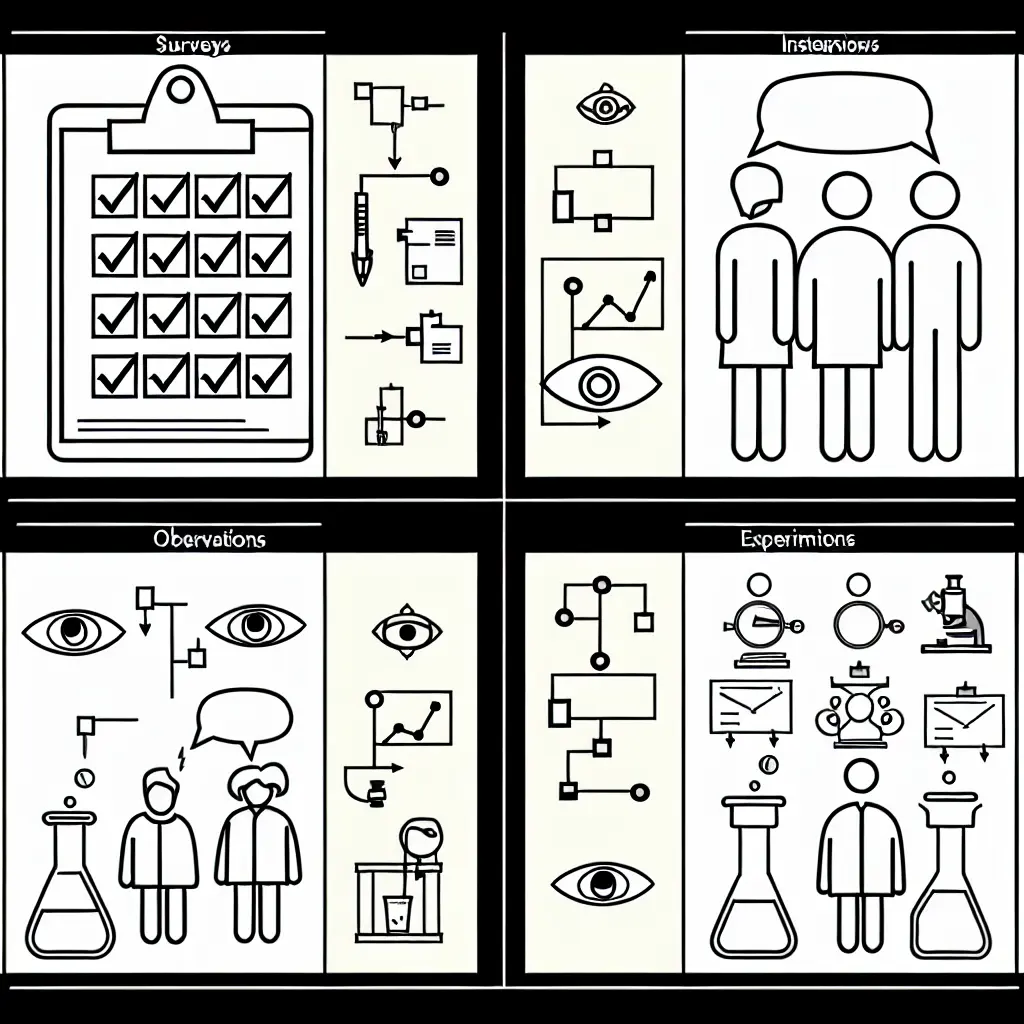
The most common planning failures follow predictable patterns. Students frequently misalign their chosen methods with their research questions—selecting surveys when interviews would better capture the nuanced data they need, or choosing quantitative approaches for inherently qualitative phenomena. Timeline planning proves equally problematic, with many students underestimating recruitment challenges and data processing requirements.
Sample recruitment strategies often crumble under real-world conditions. Students plan for convenient sampling from their university population, only to discover their research requires specialized participants who are difficult to access and reluctant to participate. Without contingency plans, these recruitment roadblocks can extend data collection from weeks to months.
The academic consequences extend beyond financial costs. Delayed graduations become common, with some students pushing back their defense dates by entire semesters. Research quality suffers as students make methodological compromises to salvage their projects. Supervisor relationships strain under the pressure of constant methodology revisions and extended timelines.
However, successful thesis students consistently demonstrate that systematic thesis data collection planning prevents these pitfalls through upfront method validation. They invest time in the planning phase to save months in the execution phase, approaching their research with the methodical precision of a construction project rather than the improvisation of a jazz performance.
Current Trend: From Ad-Hoc to Systematic Data Planning Frameworks
The academic landscape is experiencing a fundamental shift toward structured thesis data collection planning. Universities increasingly require formal data management plans before approving thesis proposals, recognizing that methodological planning directly impacts research outcomes and student success rates.
This transformation mirrors trends in professional research environments, where systematic planning has become non-negotiable. Medical research has long required detailed protocols before study initiation, and this strategic approach is now spreading across social sciences and humanities departments. Students trained in systematic data planning demonstrate higher completion rates and produce more methodologically sound research.
Technology integration has revolutionized how students approach data planning. Digital platforms like app.tesify.io replace cumbersome spreadsheet-based planning with integrated workflows that connect research questions to methods, timelines, and analysis plans. These platforms provide real-time collaboration capabilities, allowing supervisors to provide feedback on planning decisions before students commit to specific approaches.
IRB evolution represents another significant trend. Ethics boards now evaluate data collection feasibility alongside ethical compliance, recognizing that unrealistic methodologies can create ethical issues when students are forced to modify their approaches mid-study. This shift encourages more thoughtful upfront planning and reduces the likelihood of problematic post-approval changes.
For students navigating these new requirements, understanding how method choices determine review complexity becomes crucial. Resources like IRB Ethics Approval for Thesis Students provide essential guidance on aligning data collection plans with institutional compliance requirements.
Successful students are adapting to this systematic approach by using structured templates to map methods, anticipate challenges, and build contingency plans. They recognize that rigorous planning represents an investment in their research’s success rather than an administrative burden.
Expert Insight: The 6-Phase Thesis Data Collection Planning Template
Effective thesis data collection planning requires a systematic, phase-based approach that builds methodological decisions on a solid foundation. This six-phase template ensures each planning element connects to your research objectives while anticipating practical implementation challenges.

Phase 1: Research Foundation Alignment
Begin by validating that your research questions drive method selection rather than convenience or familiarity dictating your approach. Map each variable in your study to specific measurement approaches, ensuring alignment between what you want to know and what your chosen methods can reveal. This foundation work connects directly to comprehensive research question development, where clear hypotheses inform methodological choices.
Confirm your theoretical framework supports your chosen methods. If you’re using grounded theory, ensure your data collection approach allows for iterative analysis and theory development. For experimental designs, verify that your framework provides clear predictions about expected relationships between variables.
Phase 2: Method Selection & Justification
Create a decision matrix comparing quantitative versus qualitative approaches based on your research questions, available resources, and timeline constraints. Assess mixed-methods feasibility honestly—combining approaches requires additional expertise and extended timelines that many students underestimate.
Evaluate method-to-timeline compatibility by researching typical data collection periods for your chosen approaches. Survey research might require weeks, while ethnographic approaches demand months or years. Consider risk levels for IRB planning, as some methods require more extensive ethical review than others.
Phase 3: Sampling Strategy & Power Analysis
Define your population with precise inclusion and exclusion criteria that connect to your research questions. Calculate required sample sizes using appropriate statistical power analysis, considering effect size assumptions based on existing literature. Resources like rapid literature review methods help identify field-standard sample sizes and effect sizes.
Develop realistic recruitment strategies with timeline mapping and multiple contingency plans for low response rates. Consider incentive structures, recruitment channels, and partnership opportunities that might enhance participation rates.
Phase 4: Tools & Instrument Selection
Prioritize validated instruments identified through systematic review methods when possible. If custom instrument development is necessary, build realistic timelines for design, pilot testing, and refinement phases. Select your technology stack carefully, considering survey platforms, recording equipment, and analysis software compatibility.
Plan data security and storage protocols that meet institutional requirements while supporting your analysis needs. Consider encryption requirements, access controls, and backup procedures that protect participant confidentiality while ensuring data accessibility.
Phase 5: Timeline & Resource Planning
Create month-by-month data collection schedules that account for recruitment ramp-up periods, seasonal variations, and processing time requirements. Plan personnel requirements including training timelines for research assistants or transcription services.
Allocate budgets for participant incentives, transcription costs, software licenses, and equipment needs. Integrate IRB submission timelines, remembering that approval processes can take several months and may require revisions.
Phase 6: Quality Control & Contingency Planning
Establish data quality checkpoints and validation procedures that catch problems early in the collection process. Develop Plan B scenarios for recruitment challenges, technology failures, and access restrictions that could impact your timeline.
Preview your analysis plan to ensure collected data will actually answer your research questions. This forward-thinking approach prevents the devastating realization that your beautiful dataset can’t support your intended conclusions.
Forecast: The Future of Academic Data Collection Planning
The evolution of thesis data collection planning points toward increasingly sophisticated, technology-enhanced approaches that will transform how students design and execute their research. Several emerging trends suggest a future where planning becomes more precise, adaptive, and collaborative.
Artificial intelligence integration represents the most promising development on the horizon. Advanced algorithms will soon recommend optimal methodological approaches based on research questions, field norms, and historical success patterns. These AI systems will analyze thousands of similar studies to suggest sample sizes, identify potential recruitment challenges, and flag methodological inconsistencies before students invest time in flawed approaches.

Real-time adaptation capabilities will revolutionize how students manage data collection challenges. Dynamic planning tools will adjust timelines automatically based on recruitment progress, suggest alternative sampling strategies when response rates lag, and provide early warnings when projects risk missing key milestones. This adaptive approach transforms static planning documents into living, responsive guides.
Institutional standardization is accelerating as universities recognize the connection between systematic planning and student success. Standardized data collection planning requirements will become commonplace, with universities providing template-based systems that ensure consistent quality while reducing supervisor workload.
Collaborative planning platforms will enhance supervisor-student communication through shared digital spaces where methodological decisions receive real-time feedback. These platforms will maintain audit trails of planning decisions, facilitating more productive discussions about methodological choices and their implications.
Predictive analytics will emerge as a powerful tool for identifying projects at risk of methodology failure. By analyzing patterns across thousands of thesis projects, these systems will flag potential problems early, allowing students and supervisors to address issues before they become project-threatening.
Quality assurance will evolve through automated data quality monitoring systems that continuously evaluate collection processes. These tools will integrate with PhD program management systems, providing administrators with insights into student progress and potential intervention points.
Call-to-Action: Start Your Systematic Data Collection Planning Today
The difference between thesis success and costly methodology pivots comes down to the planning decisions you make before collecting your first data point. Your research deserves the methodological foundation that systematic thesis data collection planning provides.
Ready to Transform Your Research Approach?
Take immediate action: Download the complete thesis data collection planning template and begin working through each phase systematically. Start with Phase 1’s research foundation alignment, ensuring your methods can actually answer your research questions before investing time in detailed planning.
Schedule essential consultations: Once you complete your method selection and risk assessment, schedule an IRB consultation to understand approval timelines and requirements. Many students underestimate IRB processing time, creating unnecessary deadline pressure later in their program.
Leverage integrated planning tools: Consider using app.tesify.io to manage your entire thesis workflow from research questions through data analysis. The platform’s integrated tools help maintain consistency between your planning decisions and actual implementation, reducing the risk of methodological drift over time.
- Connect with expert guidance: Join our thesis planning webinar series for personalized method selection guidance
- Track your progress: Set up 90-day milestone reviews to ensure your data collection remains on track
- Build ongoing support: Access our thesis data collection troubleshooting community for real-time problem-solving
Remember that systematic planning isn’t about restricting your research—it’s about creating the methodological foundation that allows your research to succeed. The students who invest in comprehensive thesis data collection planning consistently produce higher-quality research in shorter timeframes with fewer stressful surprises.
Your thesis represents years of dedicated work and significant financial investment. Protect that investment by choosing systematic planning over reactive problem-solving. Start your methodological planning today, and give your research the foundation it deserves.




Leave a Reply