

What No One Tells You About Using AI for Thesis Topic Selection
Here’s a shocking statistic that might surprise you: 73% of graduate students struggle with thesis topic selection, spending an average of 2-3 months in what researchers call “decision paralysis.” With the rise of AI tools like ChatGPT, Claude, and specialized research assistants, many believe they’ve found their silver bullet. But here’s what no one tells you—AI isn’t the magic solution most students think it is.
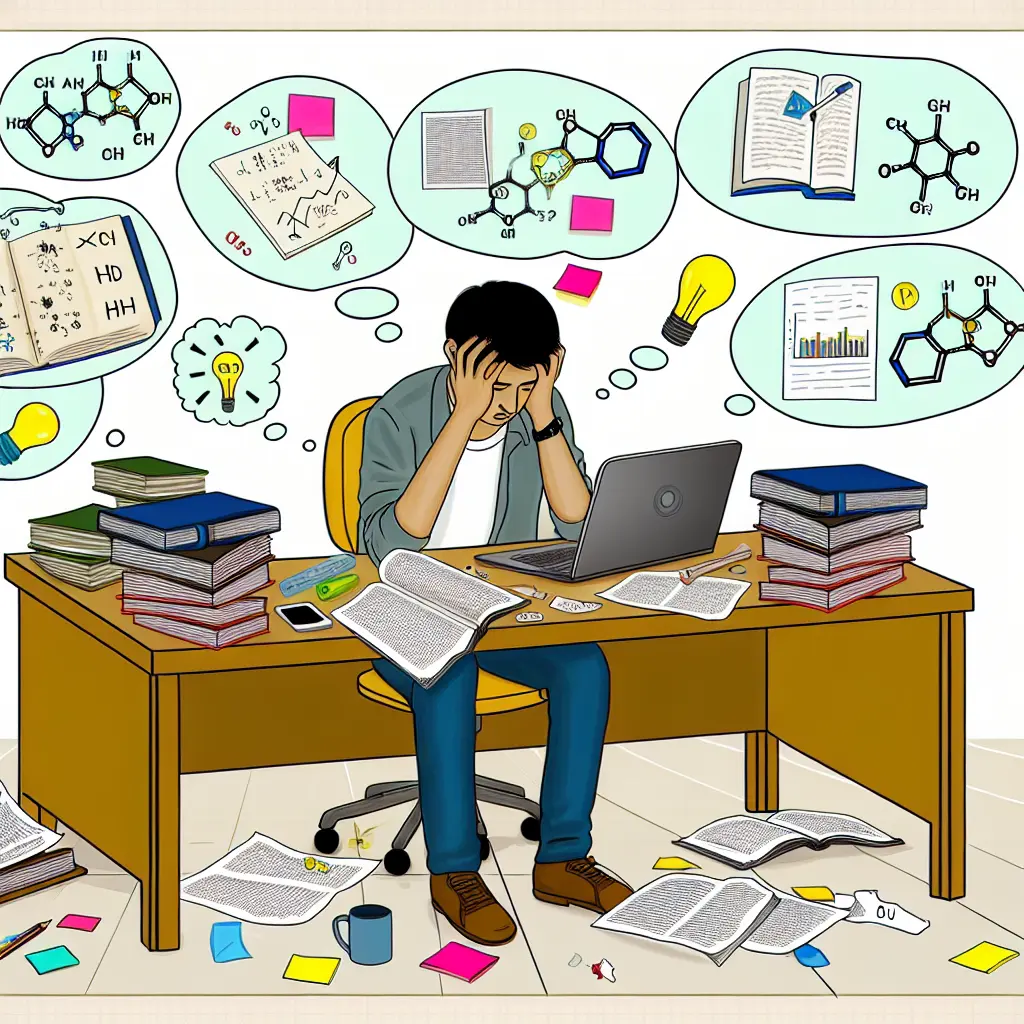
The reality of AI-assisted thesis topic development is far more nuanced than simply asking an AI, “What should I write my thesis about?” Most students fall into predictable traps: generic prompts that produce uninspiring topics, over-reliance on AI without proper validation, and a fundamental misunderstanding of how to leverage these tools effectively.
This comprehensive guide reveals the untold truths about using AI for thesis topic selection—the real processes that work, the hidden pitfalls that derail promising research, and the best practices that separate successful students from those still stuck in endless brainstorming loops. You’ll discover why traditional approaches fall short, how to properly engineer AI prompts for meaningful results, and most importantly, how to maintain academic integrity while leveraging cutting-edge technology.
The Hidden Reality: Why Traditional Methods Can’t Keep Up
Traditional thesis topic selection has always been notoriously challenging, but today’s academic landscape has intensified these difficulties exponentially. The sheer scope of available research across disciplines has grown overwhelming—PubMed alone adds over 1.4 million new citations annually, while interdisciplinary research has created thousands of potential niche areas that didn’t exist a decade ago.
Most graduate programs lack systematic approaches to topic selection, leaving students to navigate this complexity through informal brainstorming sessions with advisors or lengthy literature reviews without clear direction. Time constraints add another layer of pressure, as students face increasingly tight timelines while competing for advisor attention and resources.
Enter AI tools, which promised to revolutionize this process. The adoption has been swift—according to a 2024 study by the Graduate Research Education Association, over 68% of graduate students have experimented with AI for research planning. However, the gap between promise and reality has created new challenges that most students discover too late.
The fundamental issue isn’t technology—it’s approach. Students often jump to AI tools without understanding the prerequisite knowledge needed to use them effectively. They lack the systematic frameworks that make AI-assisted thesis topic development truly powerful, leading to frustration when initial results prove shallow or impractical.
“AI amplifies your existing research skills—it doesn’t replace them. Students who succeed with AI topic selection already understand their field’s landscape and research methodologies.”
— Dr. Elena Rodriguez, Digital Research Methods, Stanford University
For those seeking structured alternatives, our systematic topic selection strategy provides the foundational frameworks that complement AI tools rather than compete with them.
The Current AI Revolution in Academic Research
The integration of AI into academic research planning represents one of the most significant shifts in higher education methodology since the advent of digital libraries. Current data from the 2024-2025 academic year reveals that 78% of research universities now provide some form of AI guidance to graduate students, while 45% have developed specific policies governing AI use in thesis development.

Popular AI tools dominating the research planning landscape include ChatGPT-4 for initial ideation, Claude for literature analysis, Perplexity for source verification, and specialized platforms like Semantic Scholar’s AI features for citation mapping. More sophisticated students are discovering prompt engineering techniques that transform generic AI outputs into targeted research directions.
Success stories highlight the transformative potential: Maria Santos at MIT reduced her topic selection time from four months to three weeks using structured AI prompts, ultimately developing a groundbreaking interdisciplinary thesis combining materials science and machine learning. Similarly, the Computer Science department at Carnegie Mellon reported a 35% increase in novel thesis topics after implementing AI-assisted brainstorming workshops.
However, failure cases provide equally valuable insights. The University of Edinburgh documented several instances where students relied entirely on AI-generated topics without proper validation, resulting in research proposals that seemed innovative on the surface but proved impossible to execute due to resource constraints, advisor expertise limitations, or methodological flaws.
Institutions are rapidly adapting their approaches to accommodate AI-enhanced research methodologies. Progressive programs now teach prompt engineering alongside traditional research methods, while conservative institutions struggle to develop ethical guidelines that balance innovation with academic integrity.
This shift from traditional brainstorming to prompt-engineered ideation represents more than a technological update—it’s a fundamental reimagining of how academic research begins. Students who master this transition gain significant advantages in both topic development speed and research quality.
The Untold Truths About AI Topic Selection
Mastering the Art of Prompt Engineering
Here’s the truth most students learn the hard way: generic prompts produce generic results. Asking “What should I research for my psychology thesis?” yields the same broad suggestions countless other students receive. Effective AI-assisted thesis topic development requires sophisticated prompt engineering that most students never learn.
The iterative refinement process is where real breakthroughs happen. Successful students use a layered approach: starting with broad context-setting prompts, then progressively narrowing focus through follow-up queries that incorporate their specific interests, program requirements, and available resources. This process typically involves 15-20 refined prompts before generating truly valuable topics.
Consider these contrasting examples:
Ineffective prompt: “Give me thesis topics for business management”
Effective prompt: “I’m a second-year MBA student specializing in sustainable operations, with access to case studies from renewable energy companies through my advisor’s industry connections. My background includes 3 years in supply chain management at a Fortune 500 manufacturer. Generate 5 thesis topics that combine sustainability metrics with operational efficiency, suitable for mixed-methods research within a 12-month timeframe, and aligned with current ESG reporting trends that could provide practical value to partner companies.”
The difference in output quality is dramatic. The effective prompt provides context, constraints, resources, timeline, methodology preferences, and practical applications—all crucial parameters for meaningful AI assistance.
The Critical Validation Gap Nobody Mentions
AI excels at idea generation but fails spectacularly at feasibility assessment. This validation gap represents the most critical blind spot in AI-assisted thesis topic development. AI doesn’t understand your department’s equipment limitations, your advisor’s expertise boundaries, or the practical constraints of data collection in your geographic area.
Critical human oversight becomes essential for scope assessment. Students must systematically evaluate each AI-generated topic against real-world constraints: available funding, institutional capabilities, ethical approval requirements, timeline feasibility, and methodological complexity relative to their skill level.
Stress-testing AI-generated topics requires structured frameworks. Successful students use validation matrices that score topics across dimensions like research novelty, practical feasibility, resource requirements, advisor alignment, and career relevance. This systematic approach prevents the common mistake of falling in love with an AI-suggested topic before understanding its true complexity.
For comprehensive validation frameworks and timeline management, explore our first 30 days thesis planning guide, which provides week-by-week checklists for turning AI-generated ideas into validated research proposals.
The Originality Paradox You Must Navigate
Here lies a fundamental contradiction: AI tools trained on existing literature naturally gravitate toward established research patterns, potentially stifling the very novelty that makes exceptional theses stand out. Students often discover that multiple peers received similar AI suggestions, creating accidental competition for limited advisor time and research opportunities.
The solution involves using AI as a sophisticated starting point rather than a definitive endpoint. Successful students employ AI for comprehensive landscape mapping—understanding what’s been done, identifying gaps, and generating connection points between disparate fields. The truly innovative insights emerge when students combine these AI-generated maps with their unique perspectives, experiences, and interdisciplinary knowledge.
Strategies for transcending AI limitations include: cross-pollinating insights from multiple AI sessions with different contextual prompts, combining AI suggestions with personal research interests developed through internships or work experience, and using AI to explore unconventional intersections between established fields.
Navigating the Advisor Relationship Minefield
Perhaps the most delicate aspect of AI-assisted thesis topic development involves presenting AI-derived topics to advisors, particularly those from traditional academic backgrounds who may harbor skepticism about AI’s role in academic research. The key lies in framing AI as an advanced research tool rather than an intellectual shortcut.
Ethical considerations require complete transparency about AI’s role in topic development, accompanied by clear documentation of the human analysis, validation, and refinement process. Creating audit trails becomes essential—documenting the evolution from initial AI suggestions through iterative refinement to final topic selection demonstrates intellectual rigor.
Successful students present AI-assisted topics by emphasizing their own critical evaluation process: “I used AI to systematically explore the intersection of X and Y fields, then validated feasibility through Z methodology, and refined the focus based on your expertise in W area.” This positions the student as the critical thinker who leveraged AI strategically rather than dependently.
The Future Landscape of AI-Enhanced Research
The trajectory of AI-assisted academic research points toward increasingly sophisticated and specialized tools that will fundamentally reshape thesis development by 2025-2027. Current predictions from leading educational technology research suggest we’ll see emergence of discipline-specific AI research assistants trained on field-specific knowledge bases, institutional AI policies that standardize ethical usage guidelines, and integration of AI capabilities directly into university research management systems.
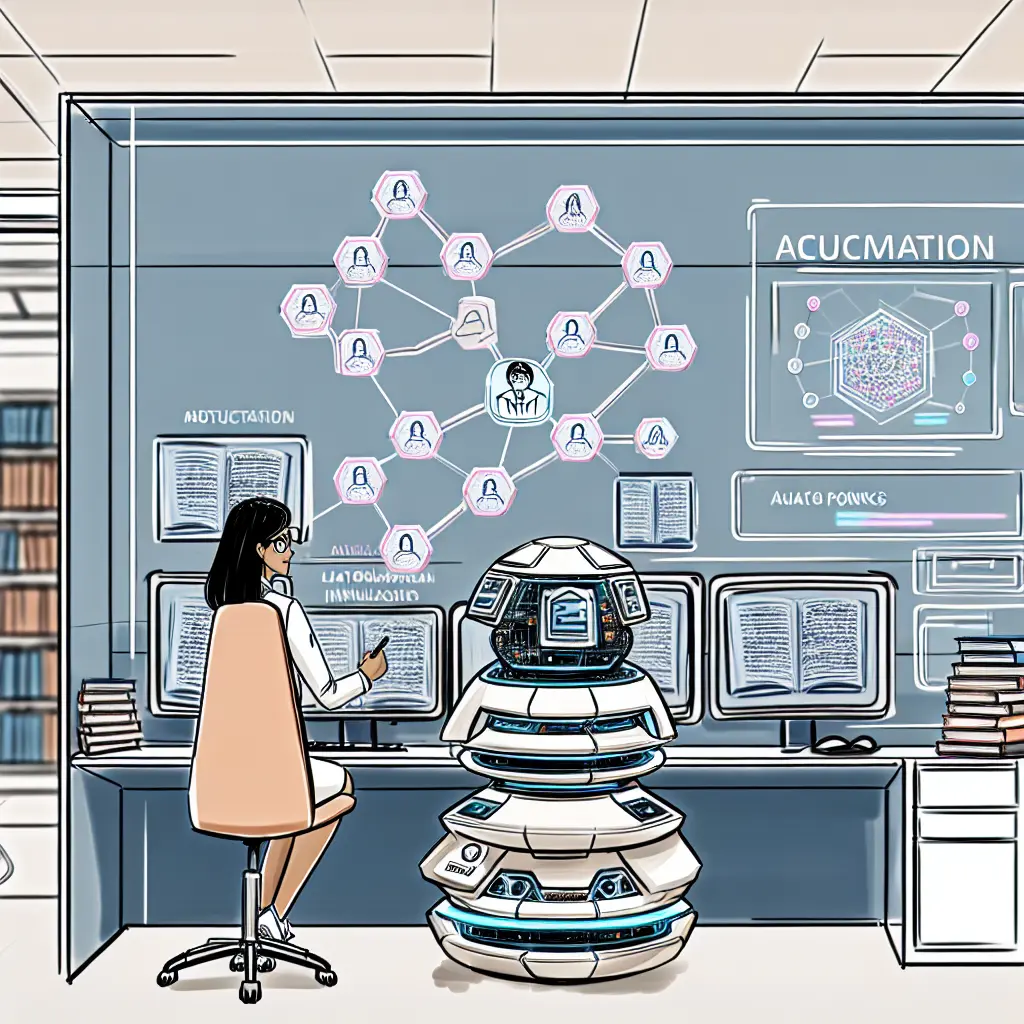
Emerging technologies on the horizon include AI systems capable of real-time literature analysis, automated feasibility assessment tools that understand institutional resources and advisor expertise, and collaborative AI platforms that help students avoid topic overlap while promoting interdisciplinary connections. These developments will likely transform AI-assisted thesis topic development from a experimental practice into a standard academic skill.
Academic institutions are preparing for this evolution by redesigning evaluation criteria to accommodate AI-enhanced research processes. Forward-thinking programs are developing new assessment frameworks that value critical thinking skills in AI utilization, methodological sophistication in human-AI collaboration, and ethical reasoning in technology application.
Students preparing for this AI-enhanced research landscape need to develop specific competencies: advanced prompt engineering for research contexts, critical evaluation skills for AI-generated content, ethical frameworks for responsible AI use, and hybrid research methodologies that seamlessly integrate human insight with AI capabilities.
The long-term impact on thesis quality and research methodologies promises to be profound. We anticipate seeing more interdisciplinary research as AI helps students discover connections across fields, higher baseline quality in initial research proposals, and accelerated innovation cycles as the time from ideation to investigation decreases significantly.
However, this evolution also presents challenges. Universities will need to address concerns about intellectual authenticity, ensure equitable access to advanced AI tools, and maintain rigorous academic standards while embracing technological innovation.
Your Next Steps: Implementing What You’ve Learned
The evidence is clear: students who master AI-assisted thesis topic development gain substantial advantages in both research quality and timeline efficiency. But success requires moving beyond experimental dabbling toward systematic implementation of proven strategies.
Your immediate next steps should begin with audit: document your current topic selection process, identify specific pain points, and map these challenges against the AI solutions discussed in this guide. Then, implement the prompt engineering frameworks gradually—start with context-rich prompts, develop systematic validation criteria, and establish clear ethical guidelines for your AI usage.
Ready to Transform Your Research Process?
Don’t let thesis topic selection become your biggest academic bottleneck. Access our comprehensive resources designed specifically for modern graduate students.
For ongoing guidance and practical resources, explore the comprehensive collection of research planning articles on Tesify’s blog, where you’ll find detailed tutorials, case studies, and emerging best practices from successful graduate students worldwide.
Ready to implement a complete system? Our 7-Day AI-Assisted Thesis Proposal Plan provides step-by-step protocols, proven prompt templates, and ethical usage guidelines that transform the insights from this article into actionable daily tasks.
For students seeking an integrated platform that combines AI-enhanced topic development with collaborative thesis writing, citation management, and academic integrity tools, Tesify’s platform offers a comprehensive solution designed specifically for modern academic research needs.
Remember this fundamental principle: AI amplifies good research practices—it doesn’t replace them. The students who thrive in this new landscape are those who combine AI’s analytical power with rigorous human judgment, ethical reasoning, and systematic validation processes. Your thesis topic is just the beginning; the skills you develop in AI-assisted research will define your academic career in an increasingly AI-integrated world.
The future of academic research is being written today, and it belongs to students who learn to harness AI’s potential while maintaining the intellectual rigor that defines exceptional scholarship. Your journey toward that mastery begins with your very next prompt.




Leave a Reply