

How to Pick a Thesis Topic You Won’t Hate by Week 6: 7-Step Guide
Why Most Students Regret Their Thesis Topic Choice
Picture this: It’s 2 AM on a Tuesday in your sixth week of thesis research. You’re staring at your laptop screen, surrounded by coffee cups and crumpled papers, when a devastating realization hits you like a freight train—you absolutely hate your thesis topic. The excitement you felt during those initial brainstorming sessions has evaporated, replaced by dread every time you open your research folder.

You’re not alone in this academic nightmare. According to recent data from the Journal of Academic Writing, approximately 42% of graduate students experience significant topic regret by their second month of research, with nearly 23% ultimately abandoning their original thesis direction entirely. This alarming trend represents not just personal frustration, but thousands of wasted hours and considerable financial investment.
“The difference between a thesis that energizes you and one that drains you often comes down to a single factor: having a proven thesis topic selection strategy rather than relying on gut instinct alone.”
The good news? This common academic pitfall is entirely preventable. Over the next few minutes, you’ll discover a comprehensive 7-step framework that has helped hundreds of students avoid the dreaded “Week 6 regret” scenario. This systematic approach to thesis topic selection combines strategic thinking with practical validation techniques, ensuring your chosen topic remains engaging and manageable throughout your entire research journey.
Think of choosing a thesis topic like selecting a life partner—what seems exciting during the honeymoon phase needs to have the substance and compatibility for a long-term relationship. Our proven methodology will help you make that crucial decision with confidence and clarity.
The Hidden Cost of Poor Thesis Topic Selection
The consequences of hasty thesis topic decisions extend far beyond temporary frustration. When students rush into topic selection without proper strategy, they often fall into what researchers call the “passion trap”—choosing subjects they love personally but that lack research viability or career relevance.
Consider Sarah, a psychology graduate student who initially chose to research “the effects of social media on teenage happiness” because she was passionate about mental health advocacy. By week 8, she discovered that accessing teenage participants required extensive IRB approvals she hadn’t anticipated, the literature was oversaturated, and her methodology was fundamentally flawed. The topic switch cost her an entire semester and approximately $3,000 in additional tuition fees.
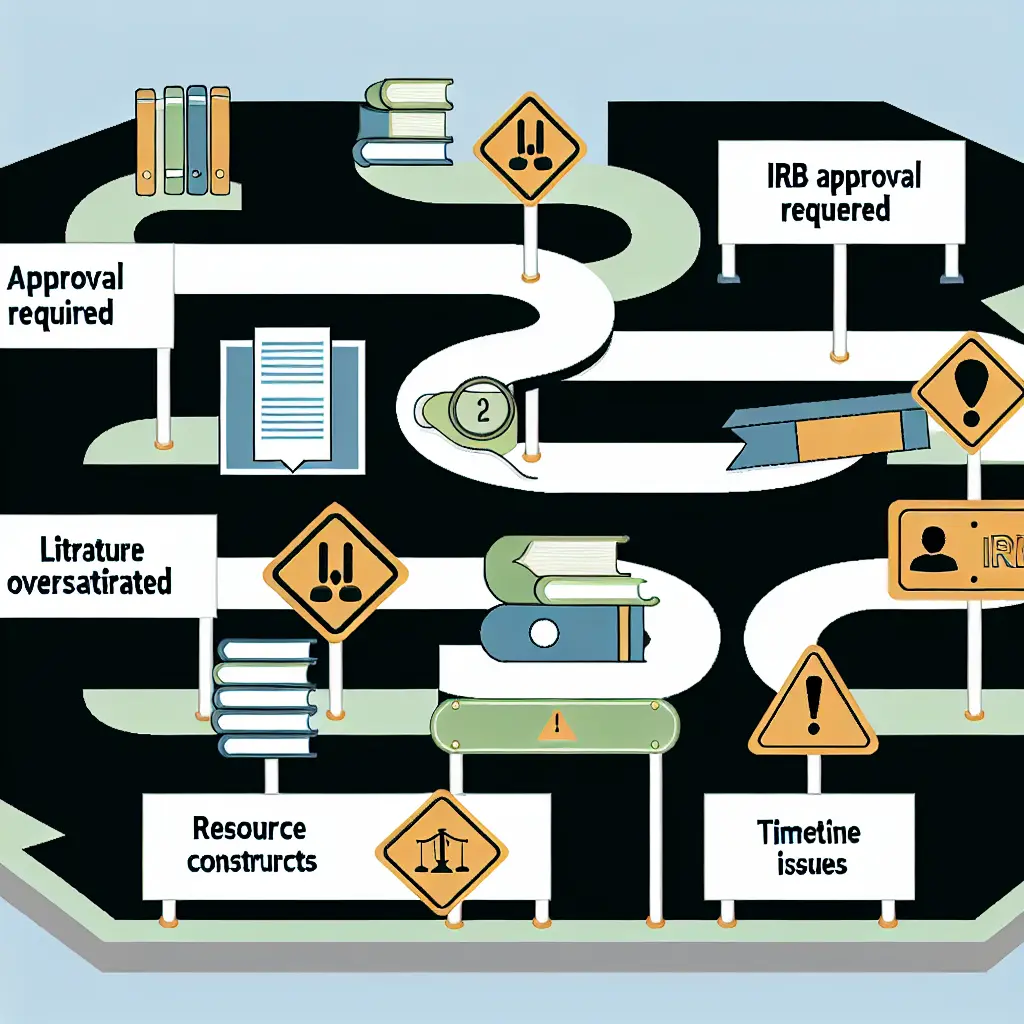
The most common mistakes students make include:
- Choosing topics too broad or narrow: Either becoming overwhelmed by scope or running out of research material
- Ignoring resource constraints: Selecting topics requiring unavailable data, equipment, or participants
- Overlooking career alignment: Picking academically interesting topics with no professional relevance
- Underestimating timeline requirements: Choosing complex topics impossible to complete within degree constraints
Financial implications alone make strategic topic selection crucial. The Graduate Student Finance Survey 2024 found that students who change thesis topics mid-research spend an average of $4,200 more on their degrees and extend graduation timelines by 8.3 months. Beyond monetary costs, topic switches often damage relationships with supervisors, create gaps in academic records, and generate significant psychological stress.
Perhaps most importantly, poor topic selection can derail entire career trajectories. Your thesis often becomes your first publication, conference presentation, and professional calling card. Choosing poorly means missed networking opportunities, irrelevant skill development, and potentially starting your career from a weaker position than necessary.
The Rising Trend: Strategic Thesis Planning in 2025
The academic landscape is experiencing a fundamental shift toward systematic thesis topic selection, moving away from the traditional “follow your heart” approach that has left countless students stranded. Leading universities like Stanford, MIT, and Oxford have begun implementing structured frameworks for thesis planning, recognizing that strategic selection dramatically improves completion rates and student satisfaction.
This transformation is largely driven by technological advancement and data-driven insights. AI-powered research tools now enable students to validate topic feasibility before committing months of work. Platforms analyzing publication trends, citation networks, and emerging research gaps provide unprecedented insight into topic viability—information that was previously accessible only to experienced researchers.
Dr. Jennifer Martinez, Director of Graduate Studies at Carnegie Mellon University, notes: “We’ve seen a 34% improvement in thesis completion rates since implementing our strategic topic selection workshop series. Students who use systematic approaches report higher satisfaction and stronger career outcomes.”
The emergence of “thesis sprints” and rapid prototyping methods allows students to test multiple topic ideas quickly before making final commitments. These accelerated validation techniques, borrowed from startup methodology, help identify potential roadblocks early in the process rather than after months of investment.
Looking ahead to 2025 and beyond, we anticipate even more sophisticated topic selection tools. Machine learning algorithms will soon predict topic success rates based on individual student profiles, available resources, and market trends. However, the fundamental principle remains constant: successful thesis topic selection requires strategy, not just inspiration.
This systematic approach is becoming essential as academic competition intensifies and job markets become increasingly specialized. Students who master strategic thesis planning gain significant advantages in both academic and professional contexts, positioning themselves for success before their research even begins.
The 7-Step Thesis Topic Selection Strategy That Works
Now that you understand the stakes, let’s dive into the comprehensive framework that will transform your approach to thesis topic selection. This proven methodology has been refined through years of successful implementations and incorporates insights from cognitive psychology, project management, and career development research.
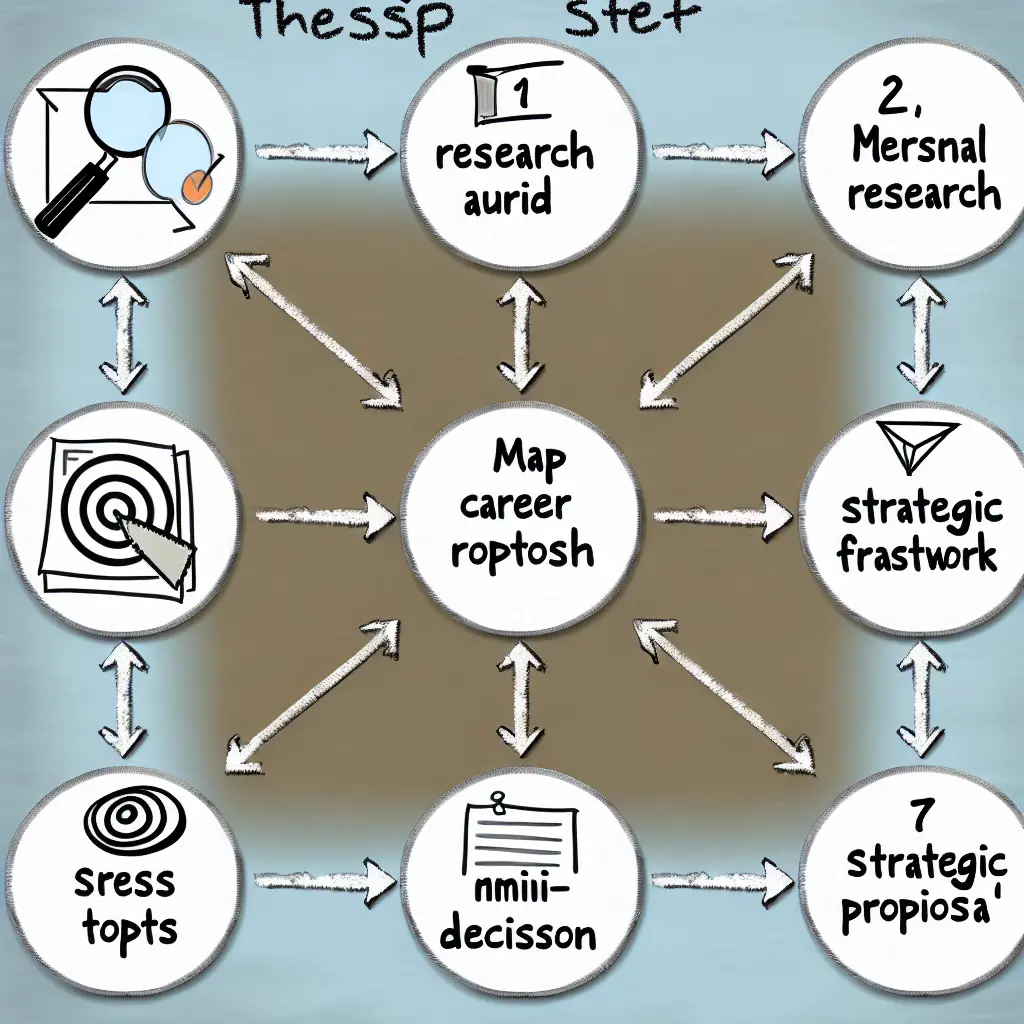
A strategic framework for thesis topic selection success
Step 1: Conduct a Personal Research Audit
Your first step involves honest self-assessment—think of it as creating a “research resume” for yourself. Begin by cataloging your existing knowledge base, including coursework, previous research experience, language skills, and technical competencies. Many students overlook this crucial foundation, leading them toward topics requiring expertise they don’t possess.
Create three columns: Strengths (areas where you have solid knowledge), Interests (topics that genuinely engage you), and Resources (available time, funding, equipment, and connections). Be brutally realistic about your constraints—a part-time student with family obligations shouldn’t choose a topic requiring extensive international fieldwork.
Consider your learning style and research preferences. Are you energized by quantitative analysis or qualitative interpretation? Do you thrive with structured methodologies or creative exploration? Understanding these preferences will help you select topics aligned with your natural working style, reducing the likelihood of motivation loss down the road.
Step 2: Map Your Career Goals to Research Areas
Your thesis should function as a strategic career investment, not just an academic requirement. Spend time clearly defining your professional objectives for the next 5-10 years. Are you aiming for industry positions, academic careers, consulting roles, or entrepreneurial ventures? Each path benefits from different types of thesis topics and research approaches.
Research current job market trends in your target industries. LinkedIn data and industry reports reveal which skills and knowledge areas are experiencing growing demand. For example, students targeting tech careers might prioritize topics involving AI, data science, or human-computer interaction, while those seeking policy roles might focus on governance, regulation, or social impact research.
Don’t neglect networking opportunities inherent in different topics. Some research areas naturally connect you with industry professionals, potential mentors, and future colleagues. A thesis on renewable energy policy, for instance, might lead to relationships with environmental organizations, government agencies, and clean tech companies—valuable connections regardless of your specific career path.
Step 3: Perform Market Research on Potential Topics
Now comes the detective work. Use academic databases like Google Scholar, JSTOR, and PubMed to analyze the research landscape around your potential topics. You’re looking for the “Goldilocks zone”—areas with enough existing research to provide foundation but not so much that you can’t contribute something original.
Pay attention to publication dates and citation patterns. Topics with recent spikes in publication activity often indicate emerging importance, while areas with declining research interest might suggest saturation or reduced relevance. Tools like Scopus and Web of Science can help you identify citation trends and locate influential papers in your potential areas.
Consider conducting keyword research using tools like Google Trends, SEMrush, or even basic Google searches. Understanding how different topics are discussed in both academic and popular contexts provides insight into their broader relevance and potential impact. This research phase often reveals surprising connections and opportunities you hadn’t initially considered.
Step 4: Create a Topic Shortlist Using the IMPACT Framework
The IMPACT Framework provides a systematic way to evaluate potential topics across six critical dimensions:
Interest sustainability: Will this topic still fascinate you after 6-12 months of intensive research? Consider topics that offer multiple angles and unexpected discovery opportunities rather than those with obvious, straightforward answers.
Manageability: Can you realistically complete this research within your time, budget, and resource constraints? Be especially careful about topics requiring extensive approvals, specialized equipment, or hard-to-access populations.
Publication potential: Does this topic offer opportunities for original contribution to academic knowledge? Look for gaps in existing literature or novel applications of established theories.
Access: Do you have realistic pathways to necessary data, participants, or resources? Verify availability before committing—many promising topics founder on access issues.
Career relevance: How well does this topic align with your professional goals and industry trends? Consider both immediate post-graduation relevance and longer-term career development.
Timeline feasibility: Can you complete this research within your degree requirements and personal timeline? Break potential topics into phases and honestly assess whether they’re achievable within your constraints.
Step 5: Stress-Test Your Top 3 Topics
Before making your final decision, subject your top candidates to rigorous testing. The most effective technique is the “Week 6 simulation”—spend a week intensively researching each topic as if you were already committed to it. This exercise often reveals hidden challenges and helps you experience what sustained engagement with each topic actually feels like.
Conduct preliminary literature reviews for each candidate topic. Create basic bibliographies, identify key researchers in each field, and outline potential methodologies. This groundwork helps you understand the practical realities of pursuing each option and often reveals unexpected complexities or opportunities.
Seek informal feedback from professors, professionals in relevant fields, and advanced students. Their perspectives can illuminate practical challenges you haven’t considered and provide realistic assessments of each topic’s viability and importance.
For students looking to streamline this validation process, consider utilizing structured planning tools that can help you organize your research and refine your approach. A 7-day AI-assisted thesis proposal plan can provide valuable framework for testing topic feasibility and developing preliminary research questions.
Step 6: Make the Strategic Decision
With thorough research completed, it’s time for systematic decision-making. Create a decision matrix scoring each topic across your IMPACT criteria using a 1-10 scale. Weight different criteria according to your priorities—career relevance might be more important than publication potential for professionally-focused students, while academically-bound students might prioritize originality and theoretical contribution.
However, don’t ignore your intuitive response alongside objective analysis. Your gut feeling often incorporates subconscious processing of complex factors your rational mind hasn’t fully analyzed. The ideal choice typically scores well on objective criteria while also generating genuine excitement and curiosity.
Seek buy-in from key stakeholders before finalizing your decision. Discuss your reasoning with potential supervisors, ensuring their interest and availability to guide your research. Consider family and personal support systems—their understanding and encouragement will be crucial during challenging research phases.
Step 7: Lock in Your Choice with a Mini-Proposal
Commitment requires concrete action. Create a one-page topic summary including your research question, methodology overview, and expected contributions. This mini-proposal forces clarity about your intentions and provides a reference point for future decision-making.
Establish immediate next steps and milestone deadlines. Break your early research phases into specific, achievable goals with defined timelines. This structure helps maintain momentum and provides early progress indicators that can boost confidence in your topic choice.
Plan your transition from selection to active research execution. Many students experience a motivation dip between choosing their topic and beginning intensive work. Having a clear roadmap for moving from decision to action helps bridge this gap effectively.
Students ready to begin active thesis development might benefit from structured approaches to initial chapter drafting. A 14-day thesis chapter kickstart plan can help transform your chosen topic into concrete progress while maintaining sustainable work habits.
Future-Proofing Your Thesis Topic Selection
The academic and professional landscapes continue evolving rapidly, making future-oriented thinking essential for thesis topic selection. Emerging technologies like artificial intelligence, machine learning, and blockchain are creating new research opportunities while making some traditional approaches obsolete. Students who anticipate these shifts position themselves advantageously for post-graduation success.
Interdisciplinary research approaches are becoming increasingly valuable as complex global challenges require multi-faceted solutions. Topics bridging traditional academic boundaries—such as combining psychology with data science, or economics with environmental studies—often offer unique contribution opportunities and stronger career prospects.
Consider building flexibility into your topic framework from the beginning. Rather than rigidly defining narrow research questions, identify broader themes with multiple exploration pathways. This approach allows adaptation as you discover new information or encounter unexpected challenges without requiring complete topic abandonment.
The rise of open science and collaborative research models also influences topic selection strategy. Topics that lend themselves to data sharing, collaborative partnerships, and community engagement often generate greater impact and more networking opportunities than traditional isolated research approaches.
Looking ahead, students should also consider the growing emphasis on practical applicability and social impact in academic work. Funding agencies and employers increasingly value research that addresses real-world problems and demonstrates clear benefits to society. Incorporating these considerations into your selection process helps ensure your work remains relevant and valuable throughout your career.
Take Action: Start Your Strategic Thesis Planning Today
You now possess a comprehensive thesis topic selection strategy that can save you from the dreaded Week 6 regret scenario. This 7-step framework—from personal research audit through final mini-proposal—provides the systematic approach successful students use to choose topics that sustain motivation and deliver results.

Your future self will thank you for strategic topic selection
Remember, the key insight is treating thesis topic selection as a strategic decision rather than an impulsive choice. By conducting thorough self-assessment, mapping career goals, researching topic landscapes, applying the IMPACT framework, stress-testing candidates, making data-driven decisions, and committing through concrete planning, you dramatically increase your chances of thesis success and satisfaction.
Your immediate next steps should include:
- Complete your personal research audit this week using the framework outlined in Step 1
- Identify 5-7 potential topic areas aligned with your career goals and interests
- Begin preliminary market research on publication trends and research gaps
- Apply the IMPACT framework to create your refined shortlist of 3 topics
For students ready to take their thesis planning to the next level, consider utilizing modern academic tools designed specifically for strategic thesis development. Tesify’s comprehensive thesis platform provides AI-powered research assistance, bibliography management, and collaborative planning tools that can significantly streamline your topic selection and development process.
Ready to get started? Download our complimentary “Thesis Topic Selection Worksheet” featuring the complete IMPACT Framework template and decision matrices. This practical tool walks you through each step of the selection process with concrete exercises and evaluation criteria.
Don’t wait until academic pressure mounts to begin serious thesis planning. Students who start strategic topic selection early consistently report higher satisfaction, better outcomes, and more enjoyable research experiences. Your future self—the one who won’t be staring at a laptop screen at 2 AM, wondering why they ever chose their thesis topic—will thank you for taking action today.
Remember: great theses aren’t accidents. They’re the result of strategic planning, systematic evaluation, and thoughtful decision-making. Use this guide to ensure your thesis becomes a source of pride and professional advancement rather than regret and frustration.




Leave a Reply