
Why Plagiarism Prevention Matters More Than Ever
Picture this: You’ve spent eighteen months researching, drafting, and refining your thesis. You’re days away from submission when you receive an email from your committee chair. Subject line: “Similarity Report Concerns.” Your stomach drops.
According to recent data from Turnitin, approximately 15-20% of university theses are flagged for significant plagiarism issues each year—and here’s the kicker: many students had absolutely no idea they’d crossed the line.
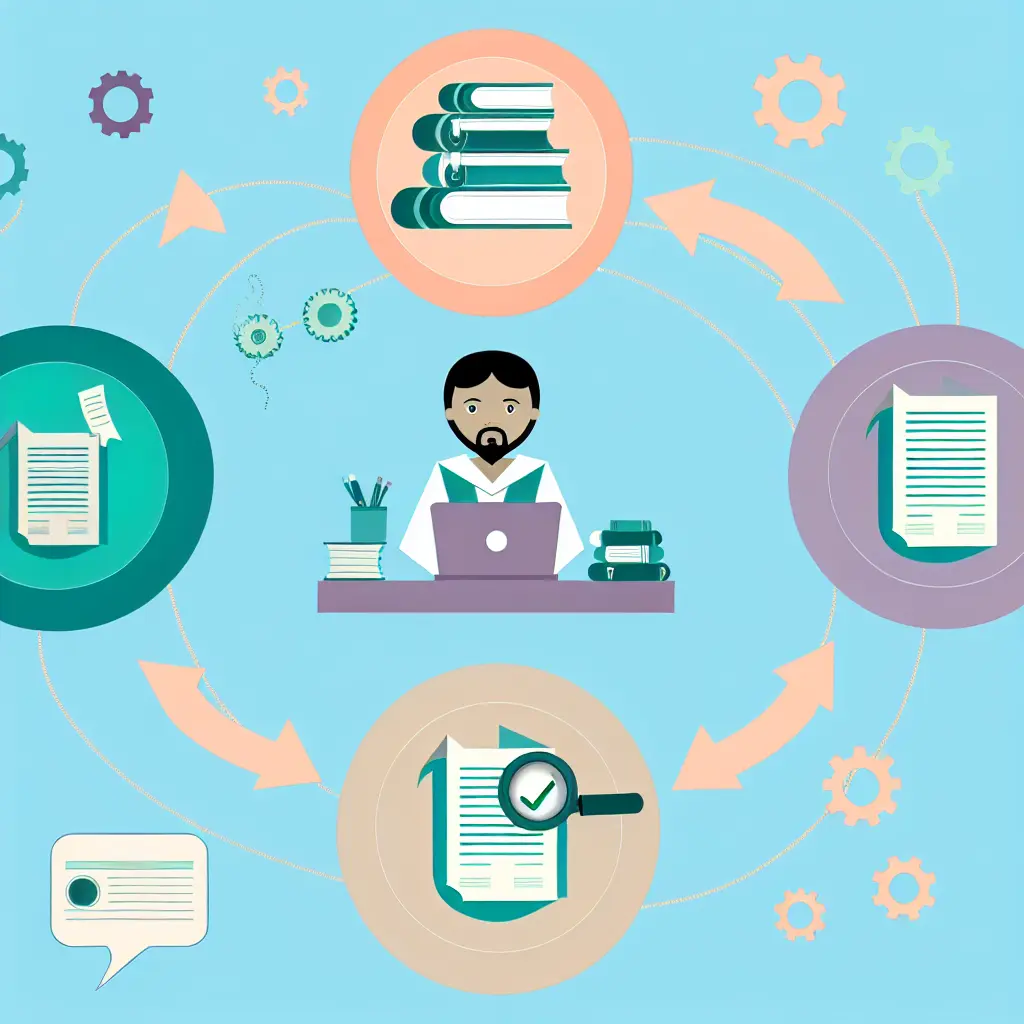
Here’s the paradox keeping thesis advisors up at night: AI tools like ChatGPT, Grammarly, and specialized rewriting software have made research and writing faster than ever. Yet at the same time, plagiarism detection has become so sophisticated that even unintentional similarity can tank your academic career. Universities now deploy multi-layered screening that catches everything from direct copy-paste to subtle “mosaic plagiarism”—those stitched-together paraphrased fragments without proper attribution that seem harmless but aren’t.
This guide is your complete roadmap to avoiding plagiarism while leveraging AI tools ethically and effectively. We’re not talking about gaming the system or finding loopholes. We’re talking about understanding how to use modern technology while maintaining the academic integrity that makes your degree actually worth something.
Whether you’re an undergraduate facing your first major research project, a master’s candidate juggling work and study, or a doctoral student defending original contributions to your field—you’ll find actionable strategies that actually work in the real world of 2025 academic writing.
Quick answer: To avoid plagiarism in your thesis, implement a citation-first workflow, use AI rewriting tools only for enhancement (not content generation), run multi-layered plagiarism checks before submission, and maintain detailed documentation of all sources from day one of your research.
What makes this different from the generic “just cite your sources” advice? We’re diving deep into the practical reality of modern academic writing: how to use AI assistance without letting it replace your thinking, how to interpret those scary similarity percentages, and how to build a citation workflow that protects you from the very beginning.
By the time you finish this article, you’ll have a clear, step-by-step system that turns plagiarism prevention from a source of anxiety into a natural part of your writing process.
Understanding Plagiarism in University Theses
What Actually Constitutes Plagiarism?
Let’s clear up the confusion right away. Plagiarism isn’t just copying and pasting Wikipedia into your thesis (though yes, that definitely counts). It’s any representation of someone else’s intellectual work as your own—and the forms it takes are way more nuanced than most students realize.
Direct plagiarism is the obvious one: lifting word-for-word passages without quotation marks or citations. But here’s where it gets tricky. Self-plagiarism—reusing significant portions of your own previously submitted work without disclosure—can get you in just as much trouble. Universities consider each assignment a demonstration of new learning, so recycling your undergraduate paper into your master’s thesis chapters without attribution is a violation.
Then there’s mosaic plagiarism, also called patchwriting. This is where most students accidentally stumble into trouble, especially when using AI rewriting tools. You read five sources, use an AI tool to paraphrase key concepts, stitch them together with transitions, and think you’ve created original content. Wrong.
If the underlying structure, sequence of ideas, or specific terminology mirrors your sources—even with different words—you’re in plagiarism territory. According to Rebecca Moore Howard’s research on patchwriting, this “borderline plagiarism” accounts for nearly 30% of flagged academic integrity violations because students genuinely don’t understand they’re doing it.
Common citation mistakes trigger false plagiarism alarms too. Forgetting to cite a paraphrased idea (not just direct quotes), failing to cite common knowledge that isn’t actually common in your field, or using poor paraphrasing that stays too close to the original sentence structure—all red flags.
And here’s the kicker: even if you cite the source at the end of a paragraph, if you’ve paraphrased multiple sentences from that source without in-text attribution for each idea, many institutions will flag it as insufficient documentation.
The golden rule? If an idea, fact, interpretation, or turn of phrase came from outside your own brain, it needs a citation. Period. When you’re uncertain, cite it. Over-citation might look a bit clunky in your draft, but under-citation can cost you your degree.
For a detailed breakdown of what counts as plagiarism with real thesis examples, check out the Avoiding Plagiarism in University Thesis: Checklist—it’s an itemized reality check that catches the stuff most students miss.
The Role of AI Rewriting Tools in Modern Thesis Writing
AI paraphrasing and summarizing tools have fundamentally changed how students approach thesis writing—and not all of that change is negative. Let’s be honest: if English isn’t your first language, tools like Grammarly, QuillBot, or Tesify’s Smart Pen can be lifesavers for polishing grammar and improving clarity.
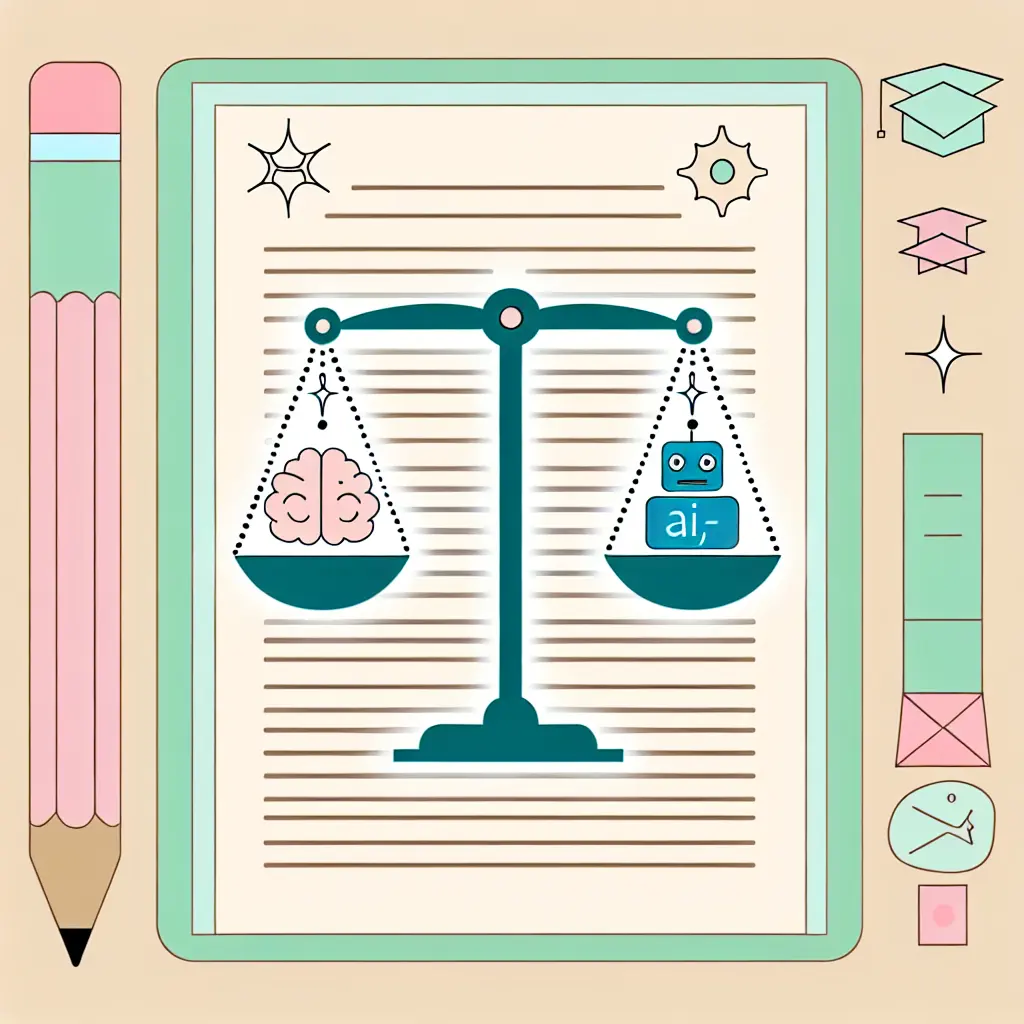
If you’re wrestling with a dense, jargon-heavy source, an AI summarizer can help you extract the core argument before you write your own interpretation. These tools can genuinely make you a better, more efficient writer.
But here’s the double-edged sword: the same technology that helps you polish a sentence can also tempt you to skip the hard work of understanding and synthesizing sources yourself. When you feed five paragraphs into an AI rewriter and paste the output into your thesis, you haven’t demonstrated comprehension, critical thinking, or original analysis—the three things your committee is actually evaluating.
You’ve outsourced the intellectual labor, and sophisticated plagiarism detectors are increasingly designed to spot exactly that pattern.
University policies on AI tool usage are evolving rapidly. As of 2024-2025, most institutions fall into three camps: outright prohibition (rare, and often unenforceable), structured acceptance with mandatory disclosure, or a case-by-case approach where each department sets its own rules.
Harvard, MIT, and Stanford have all updated their academic integrity policies to address generative AI, generally landing on “AI assistance for editing is acceptable; AI generation of substantive content is not.” But definitions of “substantive” vary wildly, leaving students in a gray zone.
This is where platforms like Tesify.io make a real difference. Unlike generic AI writing tools that operate in a black box, Tesify is specifically designed for academic integrity. It logs which sections received AI assistance, helps you maintain a proper balance between your original thinking and AI enhancement, and includes built-in plagiarism pre-screening so you know where you stand before official submission.
Think of it as the difference between using a calculator (perfectly acceptable tool) versus having someone else solve your math homework (academic misconduct). The tool itself isn’t the problem—it’s how you use it and whether you’re transparent about that use.
Consequences of Plagiarism: What’s Really at Stake
Let’s talk about what happens when plagiarism gets detected, because the consequences go way beyond a slap on the wrist. At the academic level, penalties range from mandatory thesis revision (best case) to outright failure of your thesis defense, forced withdrawal from your program, or even expulsion.
Many universities operate on a “zero tolerance” policy for graduate-level plagiarism because at that stage, you’re supposed to understand scholarly standards.
The long-term career damage is worse. Plagiarism findings become part of your academic record. Future employers conducting background checks can discover it. If you’re pursuing a career in research, academia, journalism, law, or medicine—fields where integrity is everything—a plagiarism flag can be career-ending.
There are documented cases of professionals having PhDs revoked years after graduation when plagiarism in their dissertation came to light, destroying careers, reputations, and livelihoods.
And here’s something most students don’t consider: the emotional and financial toll. Imagine being months away from graduating, then having to rewrite entire chapters or start over. That’s delayed graduation, extended tuition payments, postponed job offers, visa complications for international students, and the psychological weight of knowing you compromised your own values.
According to a 2023 study published in the Journal of Academic Ethics, students found responsible for plagiarism report significantly higher rates of anxiety, depression, and imposter syndrome—even years later.
The message? Plagiarism prevention isn’t about fear or paranoia. It’s about protecting something valuable: your credibility, your degree, and your future opportunities. The strategies we’re about to cover aren’t just about avoiding punishment—they’re about becoming the kind of scholar and professional who produces work you’re genuinely proud to attach your name to.
The Evolution of Plagiarism Detection and AI Writing Tools
How Plagiarism Detection Has Changed in 2024-2025
If you think Turnitin is just comparing your thesis to a database of previously submitted papers, you’re about five years behind the technology curve. Modern plagiarism detection has become scary good—and I mean that in a way that should both concern and reassure you.
Turnitin’s 2024 AI detection capabilities go far beyond simple text matching. The system now analyzes writing patterns, vocabulary consistency, syntactic structures, and even the “coherence flow” between paragraphs. It can flag sections where the writing style abruptly shifts (suggesting pasted content), identify paraphrasing that preserves the original’s sentence architecture, and detect when content has been run through a thesaurus-style rewriter.
Their AI writing detection tool claims an accuracy rate above 98% for identifying AI-generated content from models like GPT-4, Claude, and Gemini.
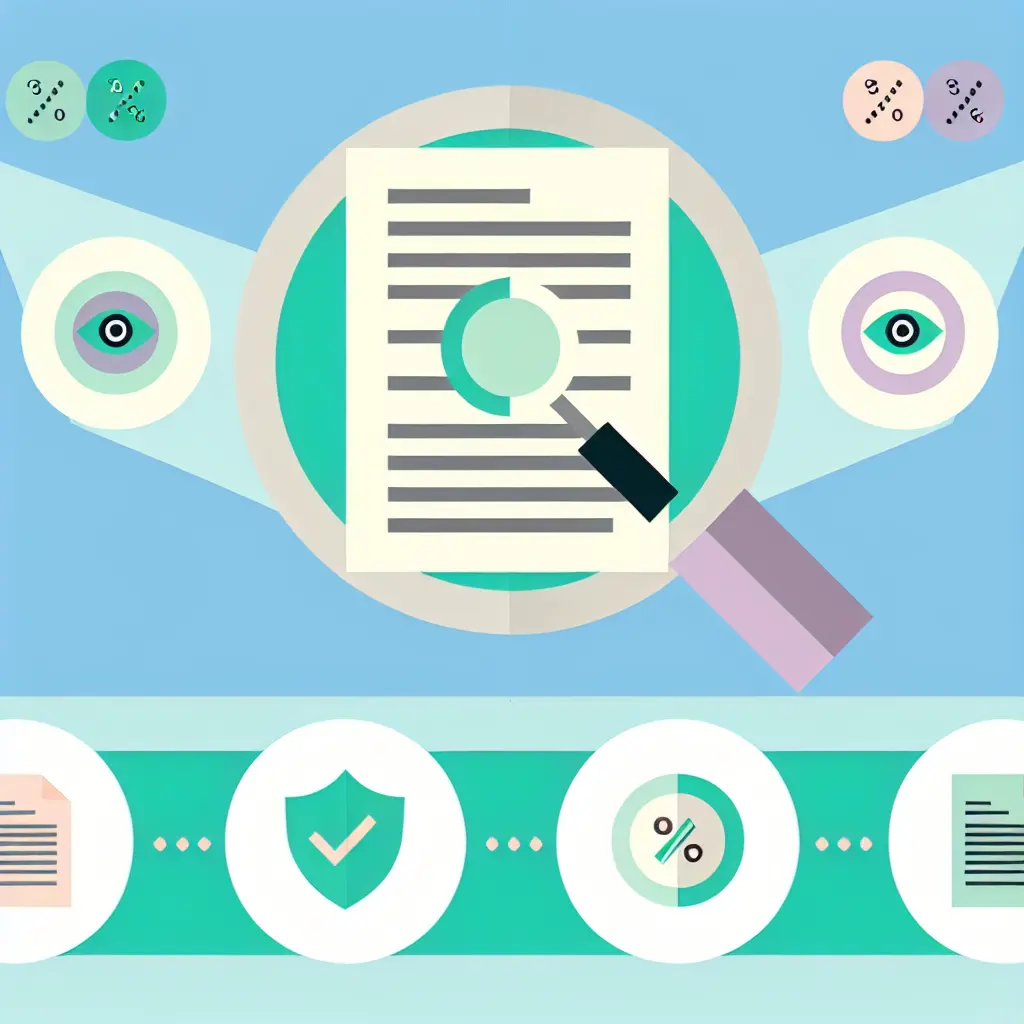
But here’s what keeps plagiarism detection experts honest: false positive rates. Studies have shown that AI content detectors incorrectly flag human-written content as AI-generated in 5-15% of cases, with higher error rates for non-native English speakers whose writing may appear “formulaic” to algorithms.
Universities are starting to recognize this problem, which is why many now require human review of any AI detection flags before imposing penalties. The technology is powerful but not infallible.
Other platforms have entered the space too. SafeAssign, Copyleaks, and Compilatio all offer institutional plagiarism checking, each with slightly different detection algorithms. Some students report passing one checker while getting flagged by another, which adds another layer of anxiety to the submission process.
This is exactly why running your own pre-submission checks through multiple platforms—like the integrated screening in AI plagiarism detection tools for university theses—matters so much. You want to discover problems while you can still fix them, not during your defense.
The bottom line? Plagiarism detection in 2025 is a sophisticated, multi-dimensional process that looks at much more than word-for-word copying. If you’re using AI rewriting tools without understanding how detection systems analyze your work, you’re playing a risky game.
The Growing Use of AI Rewriting Tools in Academia
Let’s look at the numbers, because they’re staggering. A 2024 survey by the International Center for Academic Integrity found that approximately 60% of university students have used some form of AI writing assistance for academic work, with that number jumping to nearly 75% among graduate students. Of those, roughly 40% specifically used AI rewriting or paraphrasing tools to help with thesis chapters.
The most popular AI rewriting tools among university students? QuillBot dominates the market with its dedicated paraphrasing modes, followed by Grammarly’s generative AI features, Wordtune, and increasingly, ChatGPT with carefully crafted prompts.
What’s interesting is that most students don’t view these as “cheating tools”—they see them as the 21st-century equivalent of a thesaurus or grammar handbook. The problem is that many students don’t understand where the line between “assistance” and “authorship” gets crossed.
Universities are scrambling to catch up with policy responses. Some institutions, like Sciences Po in Paris, initially banned AI tools entirely but later walked back the policy as unenforceable and counterproductive. Others, including several University of California campuses, have created detailed frameworks distinguishing between acceptable AI use (grammar checking, brainstorming, translation assistance) and unacceptable use (content generation, argument development, analysis replacement).
The University of Oxford now requires students to submit an “AI Use Declaration” with every major assessment, detailing exactly how and where AI tools were employed.
What’s driving this shift? Pragmatism. Educators recognize that AI tools are now ubiquitous in professional environments, and teaching students to use them ethically is more valuable than pretending they don’t exist. The result is a gradual move toward what some scholars call “AI literacy”—making AI tool evaluation, prompt engineering, and output verification core competencies in academic writing curricula.
By 2026, expect to see “Ethical AI Use in Research” as a standard component of graduate program orientation.
The Transparency Movement: Disclosure and Attribution
Here’s a trend that’s gaining serious momentum: universities are increasingly requiring students to disclose AI tool usage, not as an admission of misconduct but as a scholarly transparency practice. The reasoning? If AI assistance is part of your methodology, it should be documented just like any other tool or resource you used.
But how do you actually cite AI-generated or AI-enhanced content? The major citation styles have released updated guidance. APA 7th edition now recommends citing AI tools in text with the format: “(ChatGPT, personal communication, January 15, 2025)” and including details about the tool, version, and prompts used in your methodology section.
MLA 9th edition treats AI tools as digital sources, requiring you to cite them as “AI-Generated Text” with the tool name, prompt, date, and URL when applicable. Chicago 17th edition similarly requires footnotes or endnotes explaining AI use.
Where should these disclosures appear in your thesis? Most universities prefer a dedicated “AI Use Statement” in one of three places: the acknowledgments section, the methodology chapter, or as a footnote at the first instance of AI-assisted content.
The statement should be specific—not “I used AI tools” but “I used Tesify.io’s Smart Pen feature to improve grammar and sentence clarity in Chapters 3 and 4. All analytical content, argumentation, and source interpretation represent my original thinking.”
This transparency actually protects you. When you proactively disclose AI assistance with clear boundaries, you demonstrate ethical awareness and make it harder for later accusations of misconduct to stick. It shows your committee that you understand the difference between using technology as a tool versus using it as a crutch.
For comprehensive templates and examples of how to write these statements in compliance with 2025 policies, the guide on AI citation and plagiarism prevention in thesis writing breaks down exactly what language different institutions accept.
Step-by-Step Guide to Avoiding Plagiarism
Step 1: Build a Solid Foundation with Proper Research Practices
Here’s the truth nobody tells you: most plagiarism problems start on day one of your research, not the day you’re writing. If your source organization is a mess, if you’re not tracking where ideas came from, if you’re copy-pasting quotes into a Google Doc without proper attribution—you’re setting yourself up for disaster months down the line.
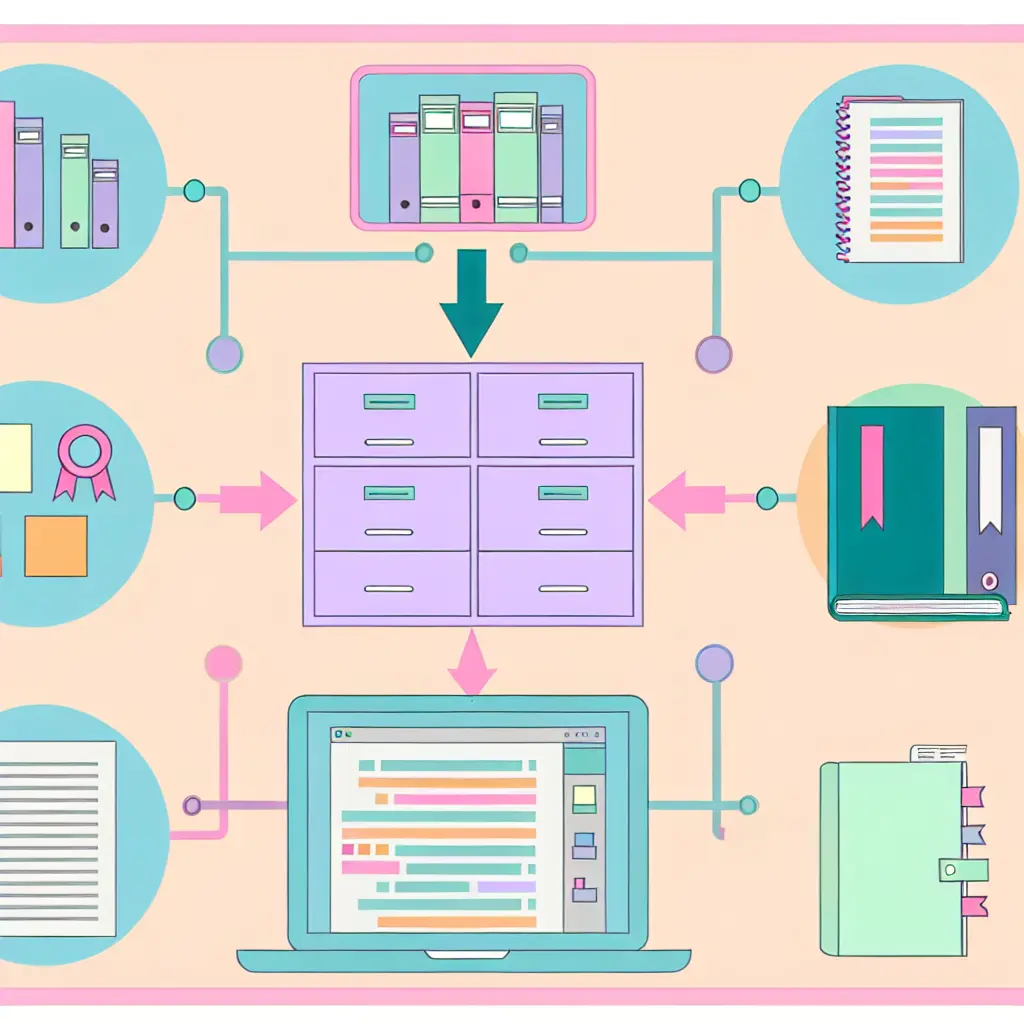
Start by choosing a reference management tool and actually learning how to use it. Zotero is free, open-source, and integrates beautifully with Word and Google Docs for instant citation insertion. Mendeley is popular for its PDF annotation features and social networking for researchers. EndNote is the gold standard in many STEM fields, though it costs money.
Pick one based on your discipline and university recommendations, then commit to using it exclusively. No more “I’ll organize my sources later”—that’s how citations get lost.
Here’s a system that works: Create a color-coded annotation method right from the start. In your PDF reader or note-taking app, use yellow highlights for direct quotes you might use, green for ideas you want to paraphrase, blue for your own analytical thoughts, and red for methodological notes.
This visual system makes it instantly obvious what came from sources versus what’s your original thinking. When you’re writing six months later, you won’t be staring at a note wondering “Did I write this or was this from Johnson 2019?”
Take detailed notes with complete bibliographic information every single time. That means author, year, title, journal/publisher, page numbers, DOI or URL, and access date. Yes, it feels tedious when you’re deep in research mode. But imagine trying to track down a citation two weeks before your defense because you wrote “interesting point about methodology” in your notes with no source attached. Don’t be that student.
If you’re using a platform like Tesify.io, take advantage of its research organization features that automatically track which sections of your thesis drew from which sources and flag any AI-assisted content. This creates an audit trail that proves you’ve been thinking about attribution from the beginning—valuable protection if questions ever arise about your work’s originality.
Step 2: Master the Art of Paraphrasing (With and Without AI)
Let’s tackle the skill that trips up more thesis writers than any other: effective paraphrasing. Here’s why it’s so hard—your brain naturally wants to use the same sentence structure and vocabulary as what you just read, especially if it’s a complex technical concept. That’s how patchwriting happens, and that’s exactly what plagiarism detectors are designed to catch.
Try the 3-read method that actually works: First, read the source passage carefully to understand the core idea. Second, close the source or look away from your screen. Third, explain the concept out loud as if you’re teaching it to a friend who’s never heard of it before. Now write down what you just said.
This forces your brain to process the information through your own conceptual framework instead of just rearranging the author’s words.
When should you use AI rewriting tools appropriately? There are legitimate use cases: polishing awkward phrasing in your own draft, improving grammatical complexity for non-native English speakers, or clarifying technical passages where you understand the concept but struggle to express it clearly.
The key word is appropriately—using AI to enhance writing you’ve already created, not to create writing from source material you haven’t fully processed.
Here’s a practical test for AI paraphrases: Can you explain the concept without looking at either the original source or the AI rewrite? If yes, the AI is probably helping you express what you already understand. If no, you’re using AI to mask comprehension gaps—and that’s where academic dishonesty begins.
Always verify that AI paraphrases maintain the original meaning without copying the structure. If the AI rewrite just swaps synonyms while keeping the same sentence architecture, throw it out and try again manually.
Red flag warning: If you’re using AI rewriting for more than 20% of your content, or if you find yourself unable to write without an AI tool open, you’ve crossed from assistance into over-reliance. Your thesis should sound like you—your analytical voice, your argumentative style, your way of connecting ideas. AI polish should be invisible, not the foundation of your writing.
Step 3: Implement a Citation-First Workflow
Here’s the golden rule that will save your academic career: cite as you write, not after drafting. I cannot stress this enough. Every single time you incorporate an idea, fact, or interpretation from a source—pause, insert the citation, move on. Not “I’ll do citations during editing.” Not “I’ll remember where this came from.” Right now, in the moment, while the source is fresh in your mind.
Why is this so critical? Because memory is unreliable, especially when you’re juggling dozens of sources. What feels like common knowledge to you after months of research might actually be a specific argument from Smith (2018) that you’ve internalized.
If you wait until your draft is complete to add citations, you’ll inevitably lose track of attribution, make educated guesses that turn out wrong, and spend hours hunting down sources you vaguely remember reading.
When working with AI-rewritten content, the citation rule is even stricter. If you used an AI tool to paraphrase a source passage, you still cite the original source, not the AI tool—because the intellectual content came from that source. The AI just helped you rephrase it.
Your in-text citation should look exactly as it would if you’d paraphrased manually. However, if your university requires AI disclosure, you might add a note: “Paraphrased with AI assistance; original interpretation maintained.”
Common citation errors when using AI summarization tools: thinking the AI-generated summary can stand without attribution to the original source, failing to verify that the summary is accurate before citing it, or using multiple AI-summarized sources to create a synthesis paragraph with only a single citation at the end. Each synthesized idea needs its own citation, showing exactly which source contributed what.
Create a citation checklist for every paragraph you write: Does this contain any factual claims? Cited. Does it reference a theory, model, or framework? Cited. Does it discuss findings from other researchers? Cited. Does it present a perspective or interpretation that isn’t universal in the field? Cited.
The only content that doesn’t need citation is either common knowledge (and be conservative about what qualifies) or your own original analysis. When in doubt, cite it.
For practical citation templates that cover edge cases and AI-enhanced scenarios, refer back to the comprehensive plagiarism prevention checklist.
Step 4: Use AI Rewriting Tools Ethically and Strategically
Let’s establish a principle that will guide every decision you make about AI tool usage: the 70/30 rule. At minimum, 70% of your thesis should be your original thinking, analysis, argumentation, and synthesis. The remaining 30% might receive AI assistance for grammar, clarity, or structural improvements—but only after you’ve done the intellectual heavy lifting.
If those percentages flip, you’re not writing a thesis anymore; you’re editing an AI product, and that’s misconduct.
What are truly acceptable use cases for AI rewriting tools in thesis work? Grammar improvement: You’ve written a complete draft but want to fix run-on sentences, improve verb tense consistency, or polish awkward phrasing. Clarity enhancement: You’ve explained a complex methodology but need help making it more accessible without sacrificing technical accuracy.
ESL polishing: English isn’t your first language, and while you understand your research perfectly, you want to ensure your writing meets native-speaker standards. Structural suggestions: You have solid paragraphs but need help with transitions or logical flow between ideas.
Prohibited use cases—things that will get you in trouble: Generating entire sections by feeding AI tools your research notes and asking them to “write my literature review.” Replacing your own critical thinking by asking AI to “analyze these studies and explain their implications.” Using AI to paraphrase large chunks of source material instead of engaging with it intellectually. Having AI create your argument structure or develop your thesis statement.
In all these cases, the AI is doing the scholarly work that your degree is supposed to certify you can do.
This is where Tesify.io distinguishes itself from generic AI writing tools. Rather than offering a black-box generator, Tesify helps you maintain that critical balance. Its Smart Pen suggests improvements to sentences you’ve written, not sentences it writes for you. The platform tracks which sections received AI assistance and prompts you to review and verify each suggestion.
It’s designed around the principle that you’re the author, and AI is the assistant—never the reverse.
Create your own audit trail: Keep a version history of your drafts showing the progression from your initial writing to AI-enhanced final version. Document in a separate file which tools you used, when, and for what purpose. This isn’t paranoia—it’s professional practice.
If questions ever arise about your thesis’s authenticity, you’ll have clear evidence showing that AI was used responsibly as an editing tool, not a ghostwriting service.
Step 5: Develop Your Unique Voice and Original Analysis
Here’s something that should reassure you: the best defense against plagiarism accusations is having genuinely original ideas. If your thesis demonstrates novel insights, unique synthesis of existing research, or innovative applications of theory—no similarity detector in the world will flag that as problematic because no one else has written it yet.
But original doesn’t mean you have to revolutionize your entire field. In academic writing, originality often looks like: connecting two theories that haven’t been applied together before, identifying a gap in existing literature and proposing how to address it, applying an established framework to a new context or population, or offering a fresh interpretation of existing data.
Even your lit review can be original if you organize and critique sources in a way that reveals new patterns or contradictions others have missed.
Try the “So what?” test for every cited fact or finding you include. You’ve just cited a study showing X. So what? Why does that matter for your research question? How does it connect to the other studies you’ve discussed? What gap does it reveal?
This critical interpretation—the “so what” that links citation to analysis—is where your original voice emerges. If you’re just stacking citations without explaining their significance or relationship to your argument, you’re not doing thesis-level work.
Use synthesis frameworks to combine multiple sources into original insights. Here’s a practical technique: Create a comparison matrix with sources as columns and key themes or findings as rows. As you fill in the matrix, patterns emerge that aren’t visible when you’re reading sources one at a time.
Where do three sources agree but two diverge? What explains that divergence—methodological differences, theoretical frameworks, sample populations? Your analysis of those patterns is original scholarship, even though every cell in your matrix is cited content.
Can AI tools help with brainstorming without replacing your analytical voice? Absolutely. Use AI as a thought partner: “I’ve identified these three themes in my literature review. What other connections might I be missing?” or “Here are my research findings. What alternative explanations should I consider before drawing conclusions?”
The key is using AI to challenge and expand your thinking, not to do the thinking for you. Always evaluate AI suggestions critically—sometimes they’re insightful, sometimes they’re nonsense. Your job is to tell the difference.
Step 6: Run Multi-Layered Plagiarism Checks
Okay, you’ve written your thesis following all the best practices. Now comes the safety net: comprehensive plagiarism checking before you submit anything to your committee. This isn’t a one-time thing at the end—it should happen in layers throughout your writing process.
Start with self-checking: Review your work 48 hours after writing each chapter. Print it out (yes, physical paper) and read with a highlighter, marking every claim that came from a source. Do you have citations for all of them? Are your paraphrases genuinely reworded or just synonym-swapped?
This low-tech review catches surprising numbers of attribution gaps because reading on paper engages your brain differently than reading on screen.
Next, run your thesis through institutional plagiarism checkers—but strategically. Turnitin, SafeAssign, or your university’s approved platform should be used on complete chapter drafts, not tiny excerpts. Why? Because these systems analyze your entire writing pattern, not just individual paragraphs. They’re looking for consistency in voice, style, and vocabulary use. Submitting partial drafts can produce misleading results.
Here’s what often freaks students out: the similarity score. Let’s demystify this. A 15% similarity score doesn’t mean 15% of your thesis is plagiarized—it means 15% of your content matches something in Turnitin’s database.
That includes your properly cited quotations, your bibliography, common phrases like “according to the research” or “this study aims to,” and possibly your own previously submitted coursework. Most universities consider similarity scores under 20-25% acceptable, but the magic isn’t in the number—it’s in what’s being flagged.
Click through every highlighted section in your similarity report. Is it a direct quote with proper quotation marks and citation? Fine. Is it a paraphrase with proper attribution? Fine. Is it multiple sentences mirroring source language without citation? Problem. Is it common phrases or technical terminology? Probably fine. Does it show structural mimicry even with different words? Potential problem.
The report is a diagnostic tool, not a verdict. Use it to identify weak spots in your paraphrasing or missed citations, then fix them before official submission.
Consider using multiple plagiarism checkers for comprehensive coverage. Run your thesis through Turnitin if your university provides access, then cross-check with free tools like Grammarly’s plagiarism detector or specialized academic tools. Different databases catch different matches, so layered checking gives you a more complete picture.
Document everything: Save all plagiarism reports with dates, keep records of revisions made in response to flagged content, and maintain a log showing you took proactive steps to ensure originality. This documentation protects you if questions arise later and demonstrates your commitment to academic integrity.

Leave a Reply