

Why AI Grading Is About to Change Everything in Thesis Defense
The Academic Revolution Nobody Saw Coming
By 2024, over 70% of graduate students report using AI tools in their academic writing process, yet most universities remain woefully unprepared for this seismic shift. While students have embraced AI-assisted thesis writing as naturally as they once adopted word processors and spell checkers, the academic institutions tasked with evaluating their work are scrambling to adapt their grading policies and assessment frameworks.
The traditional thesis defense—that time-honored academic ritual where months of research culminate in a few hours of questioning—is facing its most significant transformation in centuries. Universities worldwide are discovering that their current evaluation methods, designed for a pre-AI era, are no longer adequate for assessing work that may have been partially generated or significantly enhanced by artificial intelligence.

This isn’t just about catching cheaters or maintaining academic integrity—though those concerns are valid. It’s about fundamentally reimagining how we measure academic achievement, critical thinking, and scholarly contribution in an age where AI-assisted thesis writing and university grading policies must evolve together to create a new standard of academic excellence.
The changes coming to thesis defense processes will transform not just how students are evaluated, but how they approach their research from day one. Those who understand and prepare for these shifts will find themselves at a significant advantage in the academic landscape of tomorrow.
How Traditional Thesis Grading Is Breaking Down
Traditional thesis evaluation has long relied on a straightforward premise: assess the final written product, evaluate the student’s defense presentation, and measure their ability to answer questions about their research. This model made perfect sense when the thesis represented months or years of purely human intellectual effort.
But consider what happens when a student uses AI to help structure their literature review, generate initial drafts of methodology sections, or even assist with data analysis interpretation. The current evaluation framework—which focuses primarily on the end result—becomes inadequate for determining the student’s actual contribution versus the AI’s assistance.

“We had a brilliant thesis come through last semester that was clearly AI-enhanced, but we had no framework for evaluating how much of the critical thinking was the student’s versus the tool’s,” explains Dr. Sarah Chen, Graduate Committee Chair at a major research university.
Real-world case studies are emerging across institutions. At Stanford, committee members found themselves unable to distinguish between sophisticated AI assistance and potential academic misconduct. At Oxford, a thesis that appeared to demonstrate exceptional analytical depth later revealed extensive AI involvement that hadn’t been disclosed. These situations expose the fundamental gap between current institutional policies and student AI usage patterns.
The problem isn’t that students are being deceptive—many genuinely don’t understand where the line should be drawn. When AI tools can help refine arguments, suggest relevant citations, and improve clarity of expression, determining what constitutes “original work” becomes genuinely complex. This ambiguity is precisely what’s driving universities to completely reimagine their evaluation criteria.
For students navigating this uncertain landscape, understanding ethical AI use in thesis development has become as crucial as mastering their research methodology itself.
Universities Pivot to Process-Based Evaluation
Progressive institutions are abandoning the traditional “black box” approach to thesis evaluation in favor of comprehensive process-based assessment. Instead of focusing solely on the final thesis document, these universities are implementing new rubrics that emphasize methodology transparency, AI disclosure requirements, and evidence of original critical thinking throughout the research journey.
At MIT, the new evaluation framework requires students to maintain detailed “research logs” that document every AI interaction, including prompts used, outputs generated, and how those outputs were incorporated or modified. The University of Toronto has implemented a multi-stage review process where students must present their research evolution, including false starts, methodology shifts, and decision-making rationales.
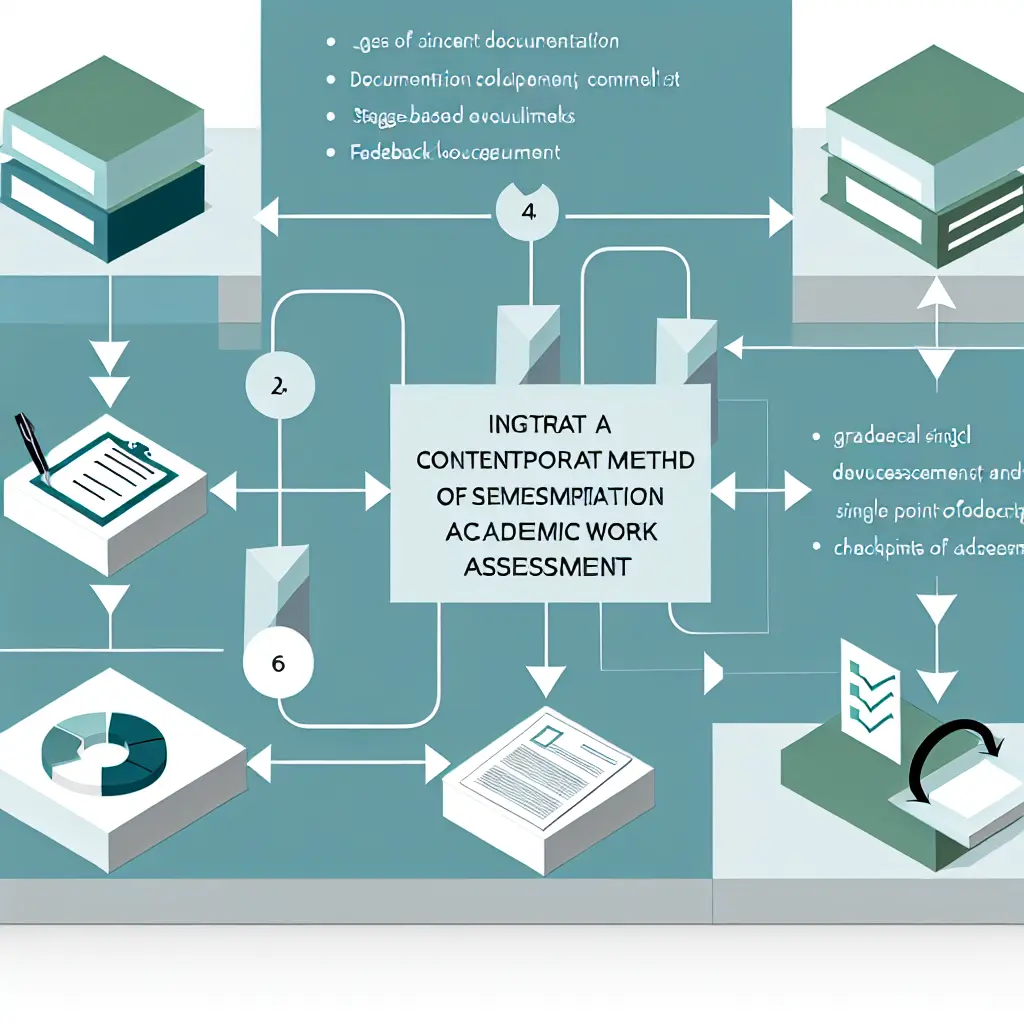
These changes represent a fundamental shift from output-focused to process-focused grading criteria. Students are now evaluated on their ability to effectively collaborate with AI tools while maintaining intellectual leadership of their research. The new rubrics assess not just what students discovered, but how they approached discovery, validated findings, and integrated AI assistance responsibly.
What are the new AI grading criteria for thesis defense in 2025? Universities are adopting three core evaluation areas: transparency in AI usage through comprehensive documentation, demonstration of human judgment in interpreting and validating AI outputs, and compliance with institutional ethical frameworks for AI assistance.
Student response has been largely positive, with many reporting relief at having clear guidelines rather than navigating undefined expectations. “I spent months worrying about whether my use of AI for literature mapping was cheating,” notes graduate student Maria Rodriguez. “The new process-based evaluation actually helps me use these tools more effectively because I know exactly how to document my decisions.”
Universities implementing systematic approaches, like the structured AI-assisted thesis proposal methodology, are seeing higher quality submissions and more productive defense discussions focused on methodology and intellectual contribution rather than speculation about authenticity.
The Three Pillars of AI-Era Academic Assessment
Pillar 1: Transparency and Documentation
The foundation of AI-era academic assessment lies in comprehensive documentation of the research process. Universities are requiring students to maintain detailed AI usage logs that function as audit trails for their intellectual work. These logs capture not just what AI tools were used, but how they were used, what outputs were generated, and how students modified, validated, or rejected those outputs.
Mandatory disclosure requirements are becoming standard, with many institutions developing standardized forms that students must complete for each chapter or section of their thesis. These disclosures go beyond simple “yes, I used AI” checkboxes to detailed explanations of specific applications, quality control measures, and independent verification methods.
Process artifacts—such as multiple draft versions, research decision trees, and methodology refinement documentation—are emerging as crucial evidence of original thinking. These materials demonstrate the student’s intellectual journey and decision-making process, providing evaluators with insight into the human contribution that complements AI assistance.
Pillar 2: Human Judgment Integration
The second pillar focuses on evaluating how effectively students integrate AI assistance with critical analysis and independent judgment. Thesis committees are developing new evaluation criteria that assess students’ ability to prompt engineer effectively, validate AI outputs against primary sources, and demonstrate original synthesis of complex ideas.
Assessment of AI prompt engineering skills has become a legitimate academic competency. Students must demonstrate their ability to craft effective queries, iterate on responses, and guide AI tools toward useful outputs while maintaining critical oversight of the process. This skill set represents a new form of academic literacy that evaluation frameworks must address.

Source validation and fact-checking capabilities are receiving renewed emphasis, as AI-generated content requires more rigorous verification than traditional research methods. Students must demonstrate systematic approaches to validating AI suggestions, cross-referencing claims, and maintaining accuracy standards throughout their research process.
Techniques like comprehensive AI-powered literature review methodologies exemplify this balance, showing how students can leverage AI for efficiency while maintaining rigorous human oversight of quality and relevance.
Pillar 3: Ethical Framework Compliance
The third pillar establishes ethical guardrails that ensure AI assistance enhances rather than replaces scholarly development. Institutional AI policies are evolving rapidly, with universities developing comprehensive guidelines that address everything from acceptable use cases to citation requirements for AI-generated content.
Academic integrity frameworks are being updated to address the nuanced challenges of AI assistance. These new frameworks distinguish between productive collaboration with AI tools and inappropriate delegation of intellectual work, providing students with clear boundaries for ethical AI use in academic contexts.
Professional development for faculty evaluators has become essential, as thesis committee members must understand both the capabilities and limitations of AI tools to effectively assess student work. Many institutions are investing heavily in training programs that help faculty develop competency in AI-assisted evaluation methods.
What Thesis Defense Will Look Like by 2026
The thesis defense of 2026 will be fundamentally transformed by standardized AI disclosure protocols that span institutions globally. Expect to see universal adoption of machine-readable disclosure formats that allow for automated compliance checking and cross-institutional compatibility. Students will submit their AI usage documentation alongside their thesis, with standardized categories for different types of AI assistance and corresponding evaluation criteria.
Committee composition will expand to include new specialized roles. AI compliance officers will verify disclosure accuracy and protocol adherence, while process evaluators will focus specifically on methodology documentation and intellectual development evidence. These additions won’t replace traditional subject matter experts but will ensure comprehensive evaluation of AI-era academic work.
Technology integration in defense presentations will become standard practice. Students will be expected to demonstrate their AI collaboration process in real-time, potentially including live prompting sessions, output validation procedures, and methodology explanation using interactive tools. Defense presentations will showcase not just research findings but research process mastery.
Think of it like the evolution from handwritten manuscripts to word processors—what once seemed like a fundamental change to academic work eventually became invisible infrastructure that enhanced rather than threatened scholarly achievement.
Industry-standard AI audit tools will emerge for academic institutions, providing automated analysis of AI usage patterns, originality metrics, and compliance verification. These tools will integrate with learning management systems and thesis submission platforms to create seamless evaluation workflows for both students and faculty.
Regional variations will initially create complexity, but international policy harmonization efforts are already underway through organizations like the Global University Network for Innovation. By 2026, expect broad convergence on core principles of AI disclosure, evaluation criteria, and ethical frameworks, though specific implementation details may vary by institution and discipline.
The timeline for full implementation will be accelerated by competitive pressures, with early-adopting institutions gaining significant advantages in attracting both students and faculty who understand the new academic paradigm.
Prepare for the New Academic Landscape
Current graduate students have a unique opportunity to position themselves at the forefront of this academic transformation. Start by documenting every AI interaction in your research process immediately, even if your institution hasn’t yet implemented formal requirements. Create detailed logs of prompts, outputs, modifications, and validation methods that demonstrate your intellectual leadership throughout the research journey.
Building a compliant and defensible research methodology requires systematic attention to process documentation. Maintain version control of your work, save intermediate drafts that show your thinking evolution, and create explicit records of how AI suggestions were incorporated, modified, or rejected in your research development.
Develop fluency in AI collaboration techniques that enhance rather than replace critical thinking. Learn to craft effective prompts, validate AI outputs against authoritative sources, and maintain clear boundaries between AI assistance and original intellectual contribution. These skills will become as fundamental to academic success as traditional research methods.
Take action now to establish yourself as an early adopter of ethical AI practices in academic research. The platforms and tools you choose matter—Tesify is specifically designed for transparent, auditable academic research, providing built-in documentation features, collaboration tracking, and compliance tools that align with emerging institutional requirements.
Ready to start your AI-compliant thesis journey?
The only platform designed specifically for the new era of transparent, ethical academic research. With integrated AI assistance, comprehensive audit trails, and compliance-ready documentation, Tesify helps you navigate the changing landscape while maintaining the highest standards of academic integrity.
The academic revolution is here, and those who understand and embrace these changes will find themselves perfectly positioned for success in tomorrow’s research environment. Don’t wait for your institution to catch up—start building your competitive advantage today.




Leave a Reply