

What No One Tells You About International Thesis Requirements
Your thesis advisor won’t warn you about the 18-month visa documentation requirement that could derail your defense. While domestic students worry about citations and methodology, international students navigate a labyrinth of legal compliance, cross-border research restrictions, and cultural academic variations that can turn thesis completion into an extended odyssey.

The reality is stark: international student thesis preparation extends far beyond academic rigor. It demands understanding visa maintenance protocols, navigating multi-jurisdictional ethics approvals, and complying with data privacy laws that vary dramatically between your host country and home nation. Most orientation programs barely scratch the surface of these complexities, leaving students to discover critical requirements months—or even years—into their research journey.
This comprehensive guide reveals five critical requirements that catch international students off-guard, along with actionable strategies to navigate them successfully. Whether you’re starting your thesis journey or already deep in research, understanding these hidden complexities could save you months of delays and thousands in unexpected costs.
Why Standard Thesis Guides Fail International Students
Traditional thesis preparation resources operate under a fundamental assumption: students are domestic nationals studying within familiar legal, cultural, and academic frameworks. This assumption creates dangerous blind spots for the growing population of international scholars.
Consider the stark reality: while domestic students focus on research design and academic writing, international students must simultaneously manage three additional complexity layers that domestic guides simply don’t address.
Legal and visa compliance requirements form the first layer. Unlike domestic students who maintain consistent legal status throughout their studies, international students must navigate visa maintenance requirements that directly impact thesis timelines. F-1 visa holders, for instance, must maintain full-time enrollment status, which can conflict with intensive thesis research periods that require reduced course loads.
Cross-border research limitations create the second challenge. Academic databases often restrict access based on geographic location due to licensing agreements. A student studying machine learning at Stanford might discover that crucial datasets accessible from campus become unavailable when conducting research from their home country during summer breaks. These restrictions aren’t just inconvenient—they can fundamentally alter research methodologies.
Cultural academic norm variations represent the third complexity layer. Academic communication styles, advisor-student relationships, and defense expectations vary dramatically across cultures. What passes for appropriate academic discourse in one country might be perceived as disrespectful or inadequate in another.
Recent data from the Institute of International Education reveals that approximately 40% of international students experience thesis-related delays due to documentation and compliance issues—delays that could be prevented with proper preparation. These statistics underscore why understanding supervisor outreach and advisor selection becomes crucial for international students navigating these complex waters.
The Rise of Multi-Jurisdictional Thesis Compliance
The 2024-2025 academic year has witnessed an unprecedented surge in international enrollment, with universities reporting 23% increases in cross-border student populations. This growth has triggered a corresponding evolution in university policies, creating new compliance frameworks that many students encounter without adequate preparation.
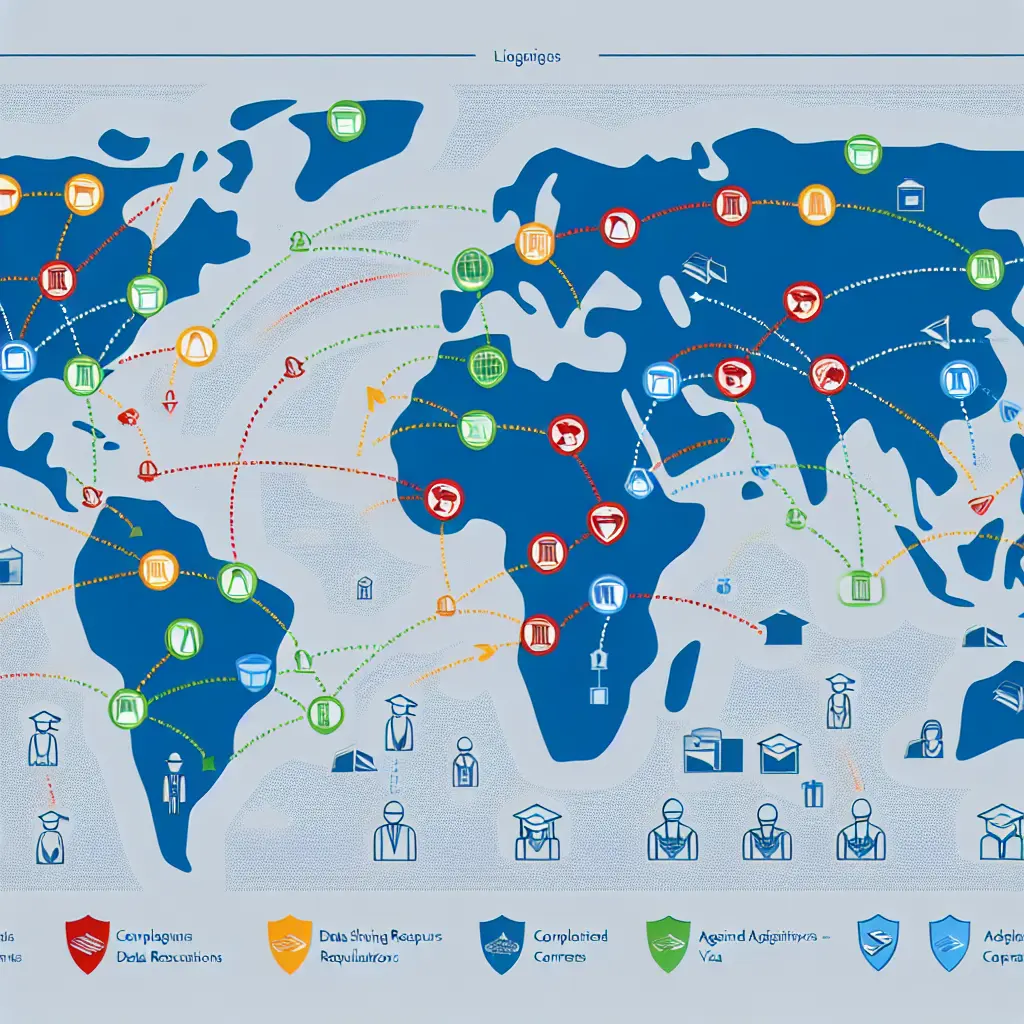
Universities are implementing increasingly sophisticated documentation protocols to manage their diverse student populations. Harvard’s Graduate School of Arts and Sciences, for example, now requires international students to submit compliance documentation 18 months before their anticipated defense date—a requirement that catches many students off-guard as they approach their final year.
Brexit provides a compelling case study in how rapidly thesis requirements can evolve. Prior to 2021, EU students studying in the UK enjoyed seamless access to European research databases and could conduct cross-border research without additional documentation. Post-Brexit, these same students now navigate complex data sharing agreements and may require separate ethics approvals for research conducted in EU member states. Sarah Davidson, a political science doctoral candidate at Cambridge, discovered mid-research that her planned interviews in France would require additional IRB approval—adding six months to her timeline and forcing a complete methodology revision.
The digital transformation of academic work has created both opportunities and challenges. Universities are increasingly offering hybrid thesis defenses to accommodate international students, but these arrangements often require additional technical validation and may not be accepted by all academic departments. Meanwhile, institutions are grappling with digital accessibility requirements that vary by jurisdiction.
Data privacy regulations represent perhaps the most significant emerging challenge. The intersection of GDPR compliance, CCPA requirements, and institution-specific data handling policies creates a complex web of obligations that international students must navigate. Research methodology decisions that seem straightforward—like using survey platforms or cloud storage—become multilayered compliance considerations when data crosses international boundaries.
Critical Insights: 5 Requirements No One Mentions During Orientation
1. Ethics Board Approvals Across Multiple Countries
Ethics approval represents one of the most time-sensitive and complex challenges facing international students, yet orientation programs rarely address the multi-jurisdictional nature of modern research. The timeline disparities alone can derail even well-planned thesis schedules.
In the United States, Institutional Review Board (IRB) approvals typically require 3-4 months for expedited reviews and up to 6 months for full board reviews. However, European ethics committees often operate on extended timelines, with some processes requiring 6-8 months for initial approval. Students conducting research that spans multiple countries may need sequential approvals, effectively doubling their preparation timeline.
The complexity extends beyond timing. Reciprocal approval requirements mean that research approved in one country may require separate validation in another. A psychology student studying cross-cultural communication patterns might receive IRB approval from their U.S. university, only to discover that collecting comparison data in their home country of South Korea requires separate approval from Korean institutional ethics boards.
These challenges become particularly acute for students using digital research methods. Online surveys that collect data from international participants may trigger compliance requirements in multiple jurisdictions simultaneously. The principle of data localization—where countries require certain data to be stored within their borders—can fundamentally alter research methodologies.
Understanding these requirements early is crucial for international student thesis preparation. Students should begin ethics approval processes at least 12 months before data collection begins, allowing time for multiple review cycles and potential methodology adjustments. This comprehensive IRB guide provides detailed timelines and preparation strategies specifically designed for international students navigating multi-jurisdictional approvals.
2. Library Access and Database Licensing Restrictions
Academic research depends heavily on access to specialized databases, journals, and archives—resources that international students often discover are subject to complex geographic restrictions. These limitations can transform accessible resources into unavailable barriers, forcing methodology changes deep into the research process.
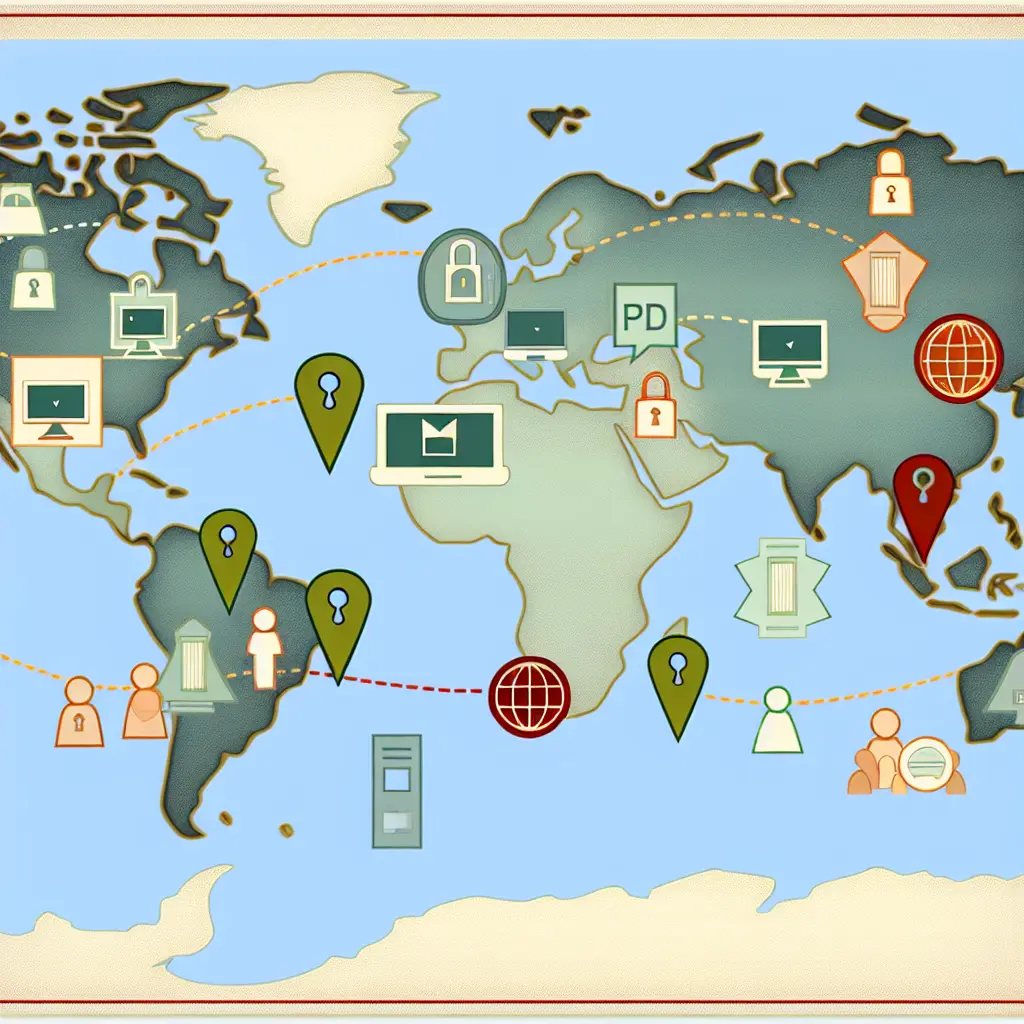
Database licensing agreements frequently include geographic access restrictions based on IP addresses and institutional affiliations. A student researching 19th-century literature might have full access to rare manuscript databases while on campus, but find themselves locked out when conducting research from their home country during breaks or after graduation. These restrictions aren’t merely inconvenient—they can invalidate entire research approaches.
VPN usage policies add another layer of complexity. While Virtual Private Networks might seem like obvious solutions for access restrictions, many universities and database providers explicitly prohibit VPN usage for accessing licensed resources. Violating these policies can result in account suspension or institutional sanctions that extend far beyond individual consequences.
Home country library partnerships offer potential solutions but require advance planning. Many national libraries maintain reciprocal agreements with international institutions, but accessing these arrangements often requires documentation and advance requests that can take months to process. The British Library, for example, offers international researcher access programs, but applications require institutional endorsements and specific research justifications.
Interlibrary loan services, while valuable, operate on extended timelines for international requests. Materials that might be available within days for domestic students can require 4-6 weeks when crossing international borders, particularly for rare or specialized resources. Proper data collection planning becomes essential for international students who must account for these extended access timelines in their research schedules.
3. Visa Status Documentation for Thesis Defense
Visa maintenance during thesis completion represents one of the most anxiety-inducing aspects of international student life, yet the specific requirements for thesis defense often catch students unprepared. Understanding these requirements isn’t just about legal compliance—it’s about ensuring years of academic work can culminate in successful degree completion.
F-1 and J-1 visa holders face particular challenges during extended thesis periods. The requirement to maintain full-time enrollment status can conflict with thesis writing phases that typically involve reduced course loads. Many students discover too late that enrolling in “thesis continuation” or “dissertation research” credits may not satisfy full-time status requirements, potentially jeopardizing their legal status.
Work authorization implications become particularly complex for students receiving thesis-related compensation. Research assistantships, teaching fellowships, and thesis stipends may be classified differently under visa regulations, each carrying specific reporting and compliance requirements. A computer science student receiving payment for software development related to their thesis research might unknowingly violate work authorization terms if the compensation isn’t properly classified.
Post-completion Optional Practical Training (OPT) timing considerations require strategic planning that begins months before thesis completion. Students must apply for OPT within specific timeframes relative to their completion date, but thesis defense delays can disrupt these carefully planned transitions. Missing OPT application deadlines can force students to leave the country immediately upon graduation, potentially disrupting job offers or continued research opportunities.
The documentation requirements extend beyond basic visa maintenance. Some universities require international students to submit visa status verification as part of their thesis defense application process. This verification must be current within specific timeframes, often requiring coordination between international student services, immigration attorneys, and academic departments.
4. Language Certification and Translation Requirements
Language requirements for international thesis work extend far beyond basic English proficiency tests required for admission. These ongoing language considerations can impact everything from source material usage to defense presentations, often catching students unprepared as they approach completion.
Official translation requirements for non-English source materials represent a significant and often unexpected expense. While students might naturally incorporate sources from their native languages, universities frequently require certified translations for any materials cited in the final thesis. These translations must be completed by certified professionals, with costs ranging from $0.15 to $0.30 per word—potentially adding thousands of dollars to thesis completion costs.
The complexity increases for students working with historical or technical documents where specialized knowledge is required for accurate translation. Legal documents, historical texts, and technical specifications often require translators with domain expertise, further increasing costs and timelines. A student researching medieval European history might find that translating primary source documents requires specialized medieval language experts, with limited availability and extended timelines.
Language proficiency documentation for oral defenses presents another challenge. Some universities require current language proficiency scores for international students, even if they’ve been studying in English for years. These requirements might include updated TOEFL or IELTS scores taken within specific timeframes before the defense, adding unexpected testing costs and scheduling considerations to an already complex process.
Cultural communication style adaptations often receive insufficient attention in thesis preparation programs. Academic presentation styles vary significantly across cultures—what’s considered appropriately confident in one academic culture might be perceived as aggressive in another. International students must navigate these cultural expectations while maintaining their authentic academic voice, often requiring additional coaching or preparation beyond standard thesis defense training.
5. International Tax Implications of Thesis Stipends
The tax implications of international thesis funding represent one of the most complex and frequently overlooked aspects of international student thesis preparation. These financial considerations can impact everything from stipend amounts to post-graduation financial planning, yet they receive minimal attention in standard academic guidance.
Tax treaty benefits offer potential relief for many international students, but navigating these agreements requires understanding complex bilateral tax arrangements. The United States maintains tax treaties with over 60 countries, each containing specific provisions for student income. However, accessing these benefits often requires active claims and proper documentation that many students overlook until tax filing deadlines approach.
Home country income declaration requirements create additional compliance obligations that vary dramatically by nationality. Some countries require citizens to report global income regardless of residence status, while others offer exemptions for students or temporary residents. German students, for example, may need to report U.S. thesis stipends to German tax authorities, while Korean students might qualify for temporary resident exemptions.
The classification differences between scholarships and assistantships carry significant tax implications that can impact students’ financial planning. Scholarships used for qualified educational expenses are typically tax-free in the United States, while assistantship payments are subject to income tax and potentially social security taxes. A biology student receiving a $25,000 research assistantship might face a tax liability of $3,000-5,000, significantly impacting their available resources.
State tax obligations add another layer of complexity, particularly for students who conduct research in multiple states or relocate during their studies. A student who begins their thesis in California but completes research in New York might face tax obligations in both states, each with different rules for resident vs. non-resident taxation.
What’s Coming for International Thesis Students in 2025-2026
The landscape of international academic compliance is evolving rapidly, driven by technological innovation, regulatory changes, and shifting global academic partnerships. Understanding these emerging trends is crucial for students beginning their thesis journey in the coming years.
Regulatory predictions for 2025-2026 point toward increased standardization of international academic compliance frameworks. The European Higher Education Area is developing unified thesis defense protocols that will streamline requirements across member countries. Similarly, North American institutions are exploring reciprocal agreement frameworks that could simplify cross-border research approvals.
However, data privacy regulations are likely to become more restrictive rather than less. The implementation of comprehensive privacy laws in major economies—including India’s proposed Data Protection Bill and Brazil’s Lei Geral de Proteção de Dados—will create new compliance requirements for international research. Students conducting global surveys or cross-cultural studies should expect additional documentation requirements and potentially restricted methodology options.
Technology solutions are emerging to address these compliance challenges. AI-powered compliance checking tools are being developed specifically for academic research, offering real-time guidance on multi-jurisdictional requirements. These platforms can analyze research proposals and flag potential compliance issues before they become project-ending problems.
University policy evolution is trending toward international-first approaches, recognizing that traditional domestic-focused policies no longer serve increasingly diverse student populations. Leading institutions are implementing dedicated international student thesis coordinators and developing specialized support services that address the unique challenges international students face.
The timeline recommendation for future international students is clear: begin comprehensive preparation 24 months before expected thesis completion. This extended timeline allows for the complex approval processes, documentation requirements, and potential methodology adjustments that international compliance demands.
Your International Student Thesis Preparation Action Plan
Converting awareness into action requires a systematic approach that addresses the unique challenges international students face. This comprehensive action plan provides immediate steps and long-term strategies for successful thesis completion.
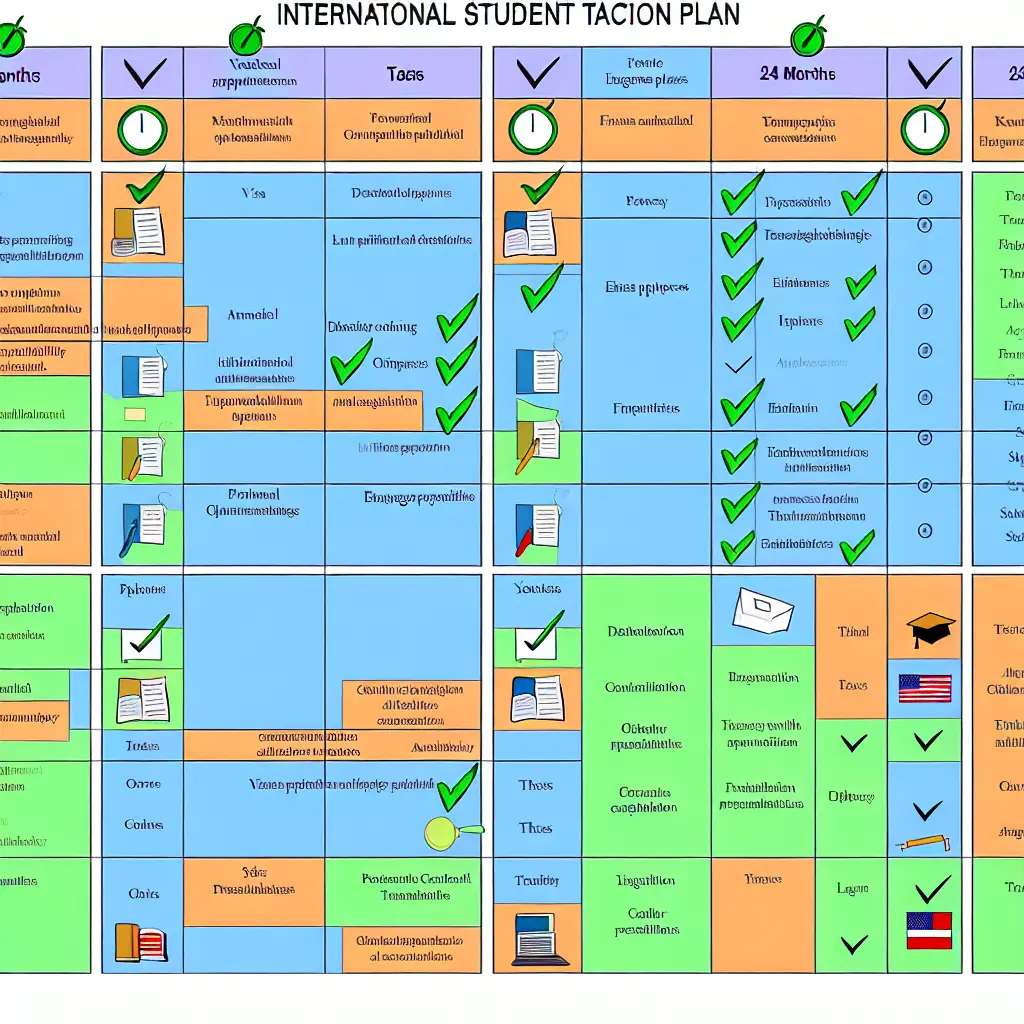
Immediate Steps (6+ months before thesis start):
- Document your visa status and renewal requirements – Create a timeline showing visa expiration dates, renewal requirements, and potential OPT application windows
- Map your research’s geographic scope – Identify all countries where you might collect data, access archives, or conduct interviews
- Inventory database access requirements – Test access to critical databases from your home country and during breaks
- Research tax treaty benefits – Consult with international student services about tax obligations in your home country
- Begin ethics approval preparation – Start IRB applications at least 12 months before planned data collection
For streamlined compliance tracking and comprehensive thesis preparation, consider leveraging modern academic platforms designed specifically for international students. Tesify’s platform offers integrated tools for managing multi-jurisdictional requirements, tracking approval timelines, and ensuring compliance across different academic systems. The platform’s AI-powered features can help identify potential compliance issues before they become timeline-threatening problems.
Medium-term Planning (12-18 months out):
- Establish library partnerships – Apply for international researcher access at relevant national libraries
- Plan translation requirements – Budget for certified translations and identify qualified translators in your research area
- Understanding funding implications – Clarify the tax status of all funding sources and potential home country reporting requirements
- Build compliance documentation systems – Create organized filing systems for visa documents, ethics approvals, and institutional correspondences
“The key to successful international thesis completion isn’t just academic excellence—it’s understanding that your thesis exists within complex legal, cultural, and institutional frameworks that require proactive navigation.”
Long-term Success Strategies:
Successful international students develop what we might call “compliance consciousness”—an ongoing awareness of how their international status impacts every aspect of their academic work. This means regularly checking visa requirements, staying informed about changing regulations, and building relationships with international student services professionals who understand the unique challenges you face.
Consider downloading our comprehensive “International Student Thesis Requirements by Country” checklist, which provides country-specific guidance for the most common thesis preparation challenges. This resource includes visa requirement timelines, common database restrictions, and ethics approval processes for over 20 countries where international students frequently conduct research.
The most successful international students also build support networks that include other international students, understanding advisors, and institutional support services. These networks provide both practical guidance and emotional support during the challenging periods that every thesis journey includes.
Ready to transform your international student thesis preparation from overwhelming to organized?
Start your thesis journey with confidence using Tesify’s comprehensive academic platform. Our tools are specifically designed to help international students navigate complex requirements while maintaining focus on academic excellence.
Remember: your international background isn’t just a challenge to overcome—it’s a valuable perspective that enriches academic discourse. With proper preparation and the right tools, your thesis can serve as a bridge between cultures and contribute to the global academic community in ways that domestic students simply cannot match.




Leave a Reply