
7-Day AI-Assisted Thesis Proposal Plan (2025 Edition): Step-by-Step Template & Prompts
Introduction
Picture this: it’s 2025, and you’re staring at a blank document, knowing you have just one week to craft a compelling thesis proposal that could determine your academic future. The good news? You’re not alone in this digital age battlefield, and you certainly don’t have to fight with outdated tools.
Today’s students are experiencing a revolutionary shift in how academic work gets done. While previous generations spent weeks buried in library stacks, modern scholars are leveraging AI-powered solutions to streamline their research process without compromising academic integrity.  In fact, recent surveys indicate that over 73% of graduate students now incorporate some form of AI assistance in their academic workflow.
This comprehensive guide offers exactly what you need: a 7-day AI-assisted thesis proposal plan complete with ready-to-use prompts, strategic checkpoints, and expert insights tailored for 2025’s academic landscape. Whether you’re tackling engineering research questions or exploring interdisciplinary studies, this template adapts to your field’s unique requirements.
Pro Tip: Platforms like Tesify are specifically designed to support AI-driven academic workflows, offering features like intelligent copilots, bibliography research, and plagiarism validation—all essential tools for today’s thesis writers.
Background: The Evolving Landscape of Thesis Proposal Writing
The traditional approach to thesis proposal writing—manually sifting through hundreds of research papers, struggling with citation formats, and spending countless hours on administrative tasks—feels as outdated as using a typewriter in a smartphone world. Modern students face unique challenges that require equally modern solutions.
Consider the most common hurdles students encounter:
- Topic Selection Paralysis: With access to virtually unlimited information, choosing a focused research direction becomes overwhelming
- Research Scope Management: Balancing breadth and depth while maintaining feasibility within time constraints
- Time Pressure: Juggling coursework, jobs, and personal commitments while meeting strict academic deadlines
- Technical Formatting: Navigating complex citation styles and university-specific requirements
Enter AI-assisted academic platforms. Tools integrated into comprehensive solutions like Tesify transform these pain points into streamlined processes. Instead of spending days on literature searches, students can now leverage intelligent research assistants that identify relevant sources, suggest connections between concepts, and even help refine research questions.
The shift isn’t just about efficiency—it’s about enhanced creativity. When AI handles the mechanical aspects of research and formatting, students can focus their mental energy on critical thinking, hypothesis development, and innovative problem-solving. 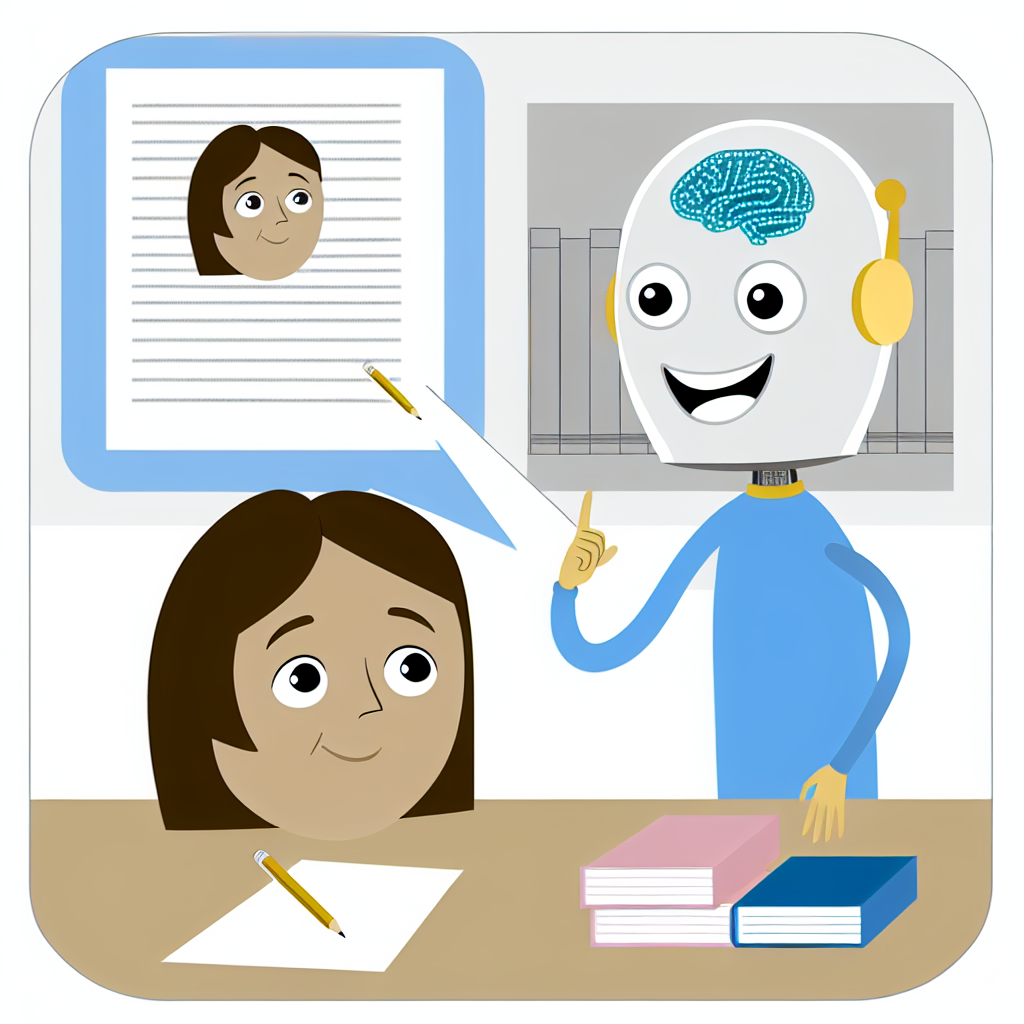 This symbiotic relationship between human intelligence and artificial intelligence represents the future of academic excellence.
For deeper insights into leveraging AI tools effectively, explore our comprehensive guide on AI thesis tools for stress-free graduation, which covers ethical implementation and best practices.
Trends: The Rise of AI in Academic Research (2025)
The numbers tell a compelling story about AI’s integration into academic workflows. According to recent research by the Academic Technology Association, AI adoption in university settings has grown by 340% since 2023, with thesis and dissertation support representing the fastest-growing segment.
Here’s what’s driving this transformation:
📊 Key Statistics for 2025
- 67% of graduate students now use AI for literature review automation
- 54% report improved research quality through AI-assisted source validation
- 82% say AI tools reduced their proposal writing time by 40-60%
- 91% plan to continue using AI throughout their thesis journey
The ecosystem of AI academic tools has matured significantly. Literature review engines powered by RAG (Retrieval-Augmented Generation) technology can process thousands of papers in minutes, identifying patterns and gaps that might take humans weeks to discover.  Citation management has evolved beyond simple organization—tools like advanced Zotero integrations now suggest relevant sources based on your research context.
Language enhancement platforms have moved far beyond basic grammar checking. Modern writing assistants understand academic tone, discipline-specific terminology, and even help maintain consistency across lengthy documents. Meanwhile, anti-plagiarism checkers have become more sophisticated, offering real-time feedback rather than post-completion reports.
Perhaps most importantly, 2025 has brought clearer ethical guidelines for AI use in academia. Universities now provide specific frameworks for transparent AI assistance, ensuring students can leverage these powerful tools while maintaining academic integrity. The key principle? AI should augment human intelligence, not replace critical thinking.
“The most successful thesis writers of 2025 aren’t those who avoid AI, but those who learn to collaborate with it effectively while maintaining their unique scholarly voice.”
This trend toward AI integration aligns perfectly with comprehensive academic platforms that offer multiple AI-powered features in one ecosystem, streamlining the entire thesis journey from initial concept to final defense.




Leave a Reply